

Vintage Washed vs Crisp Reactive Dyed Finish Guide
When sourcing headwear for your brand or business, choosing the right finish for a custom 5panel high quality custom 3d embroidery logo two tone 5panel cotton twill baseball cap can make or break customer satisfaction. The finish affects not just look and feel, but durability, branding clarity, and perceived value.
For B2B buyers, startup founders, and small business owners, this choice directly impacts profit margins and brand reputation. This guide breaks down two of the most popular cotton twill finishes to help you make an informed decision.
1. Core Differences Between Vintage Washed and Crisp Reactive Dyed Cotton Twill
Cotton twill is the gold standard for structured headwear, but its finish transforms its performance and aesthetic. Understanding the core production and property differences helps you match the cap to your target market.
1.1 Production Process and Material Characteristics
Vintage washed cotton twill undergoes a multi-step post-dye washing process, often with enzymes or stone washing, to create a faded, soft hand feel. The process pre-shrinks the fabric and gives it a lived-in, retro look.
Crisp reactive dyed twill uses reactive dye molecules that bond directly with cotton fibers under high heat. The result is a vibrant, uniform color with sharp edges and a smooth, untextured surface.
Key production differences include:
Vintage washed: Pre-washed after cutting, 5-10% fabric shrinkage pre-controlled, softer hand feel
Crisp reactive dyed: Dyed before cutting, minimal post-production shrinkage, rigid, structured hold
Color fastness: Reactive dye scores 4-5 on the AATCC gray scale; vintage washed scores 3-4 due to fading design
For a structured high profile two tone 5 panel baseball hat, crisp reactive dyed twill holds its shape better over time. Vintage washed options relax slightly with wear, creating a more casual silhouette.
1.2 Visual and Tactile Performance Comparison
The visual gap between the two finishes is immediately noticeable, even to casual buyers. Vintage washed twill has a muted, heathered look with subtle color variations that give it character.
Crisp reactive dyed twill has a bright, consistent color that pops, making it ideal for bold two-tone color blocking. Its smooth surface reflects light evenly, giving it a premium, polished appearance.
Tactile differences that influence customer perception:
Vintage washed: Soft, broken-in feel, flexible, lightweight
Crisp reactive dyed: Sturdy, smooth, substantial hand feel, holds structure
Two-tone contrast: Vintage washed has low-contrast, muted transitions; reactive dyed has sharp, high-contrast panel lines
A premium brushed cotton twill two tone cap custom embroidered often uses a soft brushed variant of reactive dyed twill to balance softness and color vibrancy. This hybrid option is growing in popularity among embroidered cap specialty shops.
2. Branding Suitability for Custom Logos and Two-Tone Designs
For any custom 5 panel baseball cap, branding is the top priority for businesses. The finish directly impacts how embroidery, printing, and color blocking look and last.
2.1 3D Embroidery Effect and Durability
3D puff embroidery relies on a stable fabric surface to create a raised, dimensional logo. Crisp reactive dyed twill’s tight, rigid weave provides a perfect base for 3D embroidery, resulting in sharp, well-defined edges.
Vintage washed twill’s softer, more flexible weave can cause 3D embroidery to sink slightly over time, losing its puff effect. For flat embroidery, however, vintage washed twill creates a cool, retro embroidered look.
Embroidery performance by finish:
Stitch clarity: Crisp reactive dyed = 9/10; Vintage washed = 7/10
3D puff retention: Crisp reactive dyed = 8-10 years; Vintage washed = 3-5 years
Thread color matching: Crisp reactive dyed has more accurate thread-to-fabric color matching
Stitch pull resistance: Crisp reactive dyed handles dense stitch counts better
For an embroidered baseball cap custom with intricate 3D logos, crisp reactive dyed twill is almost always the better choice. It ensures your brand’s logo looks sharp even after hundreds of wears and washes.
2.2 Two-Tone Panel Matching and Color Consistency
Two-tone designs live or die by color consistency across panels. Crisp reactive dyed twill has exceptional batch-to-batch color consistency, making it easy to match front, side, and back panels perfectly.
Vintage washed twill intentionally has slight color variations between batches, which can create mismatched two-tone panels if not carefully controlled. Reputable manufacturers use batch number tracking to minimize this issue.
Critical two-tone design considerations:
Color blocking sharpness: Crisp reactive dyed has clean panel seams; vintage washed has softer, less defined edges
Fade resistance: Reactive dyed resists UV fading 30% better than standard vintage washed
Custom logo&color flexibility: Reactive dyed supports 100+ standard colors; vintage washed has 30-40 muted color options
Size consistency: Both finishes fit
54-58cmstandard adult sizes, but washed twill has a more relaxed fit
For 5 panel hat custom logo orders with strict brand color guidelines, crisp reactive dyed twill reduces the risk of color mismatch returns. This is especially important for cotton twill hat importers managing large inventory orders.
3. Target Audience and Scenario Adaptation Analysis
Different customer segments prefer different finishes. Matching the finish to your audience ensures higher sales and lower return rates for your business.
3.1 B2B and Retail Customer Group Matching
For cotton twill hat importer clients supplying streetwear brands, vintage washed caps are top sellers for their retro, skater aesthetic. They pair well with vintage apparel lines and casual lifestyle brands.
For 5 panel hat chain store businesses targeting outdoor and athletic customers, crisp reactive dyed caps are preferred for their durable structure and vibrant team color options. They also hold up better to frequent washing.
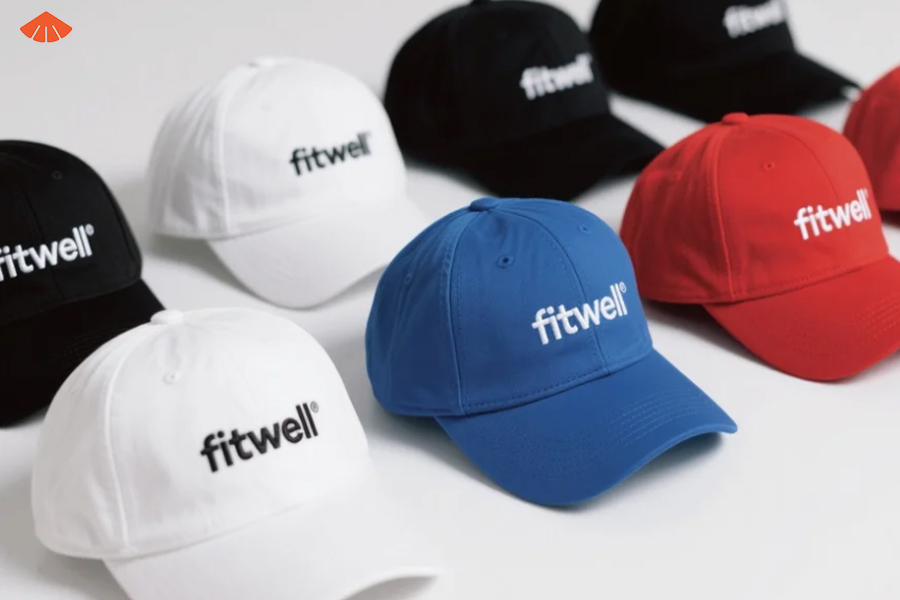
Audience-finish matching guide:
Streetwear/skate shops: 70% vintage washed, 30% crisp reactive dyed
Corporate promotional products: 90% crisp reactive dyed (professional, logo-focused)
Embroidered cap specialty shop: 60% crisp reactive dyed, 40% vintage washed (mix of custom logo styles)
Outdoor/athletic retailers: 80% crisp reactive dyed (structured, sweat-resistant)
Startup founders launching a new headwear brand often test both finishes to gauge customer preference. A small 100-unit test order of each can provide valuable sales data before scaling.
3.2 Usage Scenario Adaptability
The right finish also depends on how and where the cap will be worn. Vintage washed caps excel in casual, low-maintenance scenarios where comfort is key.
Crisp reactive dyed caps perform better in high-wear scenarios where structure and color retention matter. Their rigid weave also provides better sun protection due to tighter fabric density.
Scenario suitability breakdown:
Daily casual wear: Vintage washed (soft, comfortable, broken-in feel)
Sports/team uniforms: Crisp reactive dyed (vibrant team colors, durable structure)
Premium gifting: Crisp reactive dyed (polished, high-end appearance)
Vintage/retro collections: Vintage washed (authentic faded look)
Trade show merchandise: Crisp reactive dyed (sharp logo visibility)
A two tone 5 panel hat in crisp reactive dyed twill is also a popular choice for restaurant and retail staff uniforms. Its professional look and easy care make it a practical investment for business owners.
4. Procurement Decision Guide and Cost-Benefit Analysis
Making the final procurement decision requires balancing cost, minimum order quantities, and long-term value. This guide helps B2B buyers calculate the true cost of each finish.
4.1 Cost Comparison and MOQ Requirements
Crisp reactive dyed twill generally costs 10-15% more per unit than vintage washed twill. The higher cost comes from more expensive dye chemistry and stricter quality control requirements.
Vintage washed twill has lower minimum order quantities (MOQs) because the washing process hides minor fabric imperfections. This makes it ideal for small business owners testing new designs.
Cost and MOQ comparison:
Unit cost (1000pcs order): Vintage washed = $3.20-$3.80; Crisp reactive dyed = $3.60-$4.40
Standard MOQ: Vintage washed = 50pcs; Crisp reactive dyed = 100pcs
Custom color MOQ: Vintage washed = 500pcs; Crisp reactive dyed = 300pcs
Embroidery add-on cost: $0.80-$1.50 per unit for both finishes (3D embroidery adds $0.50)
For freelancers & consultants sourcing caps for client projects, vintage washed options offer lower upfront risk. For large corporate orders, the extra cost of crisp reactive dyed is justified by better branding impact.
4.2 Practical Decision-Making Framework for Buyers
Use this step-by-step framework to choose the right finish for your next order. Start by defining your primary goal, then work through the criteria that matter most to your business.
The best choice depends on your priorities, not just trends. A balanced inventory with both finishes can help you serve more customer segments and increase average order value.
Decision framework for buyers:
Define primary goal: Brand visibility → choose crisp reactive dyed; Retro aesthetic → choose vintage washed
Calculate budget: Under $500 total → vintage washed (lower MOQ); Over $2000 → mix both finishes
Assess target audience: Under 30 streetwear customers → vintage washed; Corporate/30+ professional → crisp reactive dyed
Test first: Order 10-20 sample units of each finish to test quality and customer response
Negotiate with suppliers: Ask about batch consistency guarantees and defect replacement policies
For a custom 5panel high quality custom 3d embroidery logo two tone 5panel cotton twill baseball cap intended as a flagship product, invest in crisp reactive dyed twill for a premium look that justifies a higher retail price. For limited-edition vintage drops, washed twill creates authentic retro appeal.
By carefully weighing these factors, you can select the perfect cotton twill finish for your business needs. Whether you’re a cotton twill hat importer, 5 panel hat chain store owner, or embroidered cap specialty shop operator, the right finish will boost customer satisfaction and drive repeat sales.
Interested in custom cap solutions? Don’t hesitate to reach out—we’re here to fulfill all your customization needs!
Follow & Message Us:
Facebook:https://www.facebook.com/fitwell.li
Instagram: www.instagram.com/fitwellcustomhats.dds/
LinkedIn:http://www.linkedin.com/in/fitwellcustom-hats-38a2b9b0/
Pinterest: http://www.pinterest.com/FitwellCustomHatsdds/
YouTube: http://www.youtube.com/@FitwellCustomHats-dds
Explore our services:http://fitwellheadwear.en.alibaba.com
WhatsApp us now: https://psce.pw/86jwa3