

Avoid Color Bleeding & Matching Disasters in Mass Production
For cotton twill hat importers, 5 panel hat chain store operators, and embroidered cap specialty shop owners, launching a custom 5panel high quality 3d embroidery logo two tone 5panel cotton twill baseball cap line can drive 30% higher average order value than solid-color styles, per 2024 headwear industry data. But mass production of two-tone styles carries unique risks: 42% of bulk cap orders report color bleeding or mismatched panels, leading to costly reworks and lost client trust.
This guide breaks down proven strategies to eliminate color issues, validate embroidery quality, and scale production without defects. Whether you’re a startup founder testing your first headwear line or a B2B buyer managing annual orders of 10,000+ units, these actionable steps will reduce defect rates to under 2%.
Why Two-Tone 5 Panel Caps Are Prone to Production Defects
Two-tone designs create visual contrast that makes small flaws far more noticeable than on solid-color hats. Forstructured high profile two tone 5 panel baseball hatlines, even a 5% color variance between panels can render an entire batch unsellable.
Fabric Dye Inconsistencies Across Cotton Twill Batches
Cotton twill is a natural fiber, and dye absorption rates vary based on cotton harvest origin, thread weave density, and dye lot formulation. Most factories source fabric from multiple mills to meet bulk deadlines, which increases the risk of shade mismatch between front and side panels.
Key factors that drive dye inconsistency include:
Dye lot variations: 68% of color mismatch issues stem from using different dye batches for front and back panels
Weave density differences: Brushed cotton twill has a softer surface that absorbs 15-20% more dye than standard twill
Water quality during dyeing: Hard water with high mineral content can alter final color tone by up to 10%
Fabric pre-wash treatment: Unwashed twill shrinks and fades unevenly after the first customer wash
For premium brushed cotton twill two tone cap custom embroideredorders, always request fabric from the same dye lot for all panels of a single style. Even minor shade differences will stand out against 3D embroidery logos.
3D Embroidery Color Bleeding Risks
3D embroidery uses thick, dense thread that sits raised above the cap surface. When placed near two-tone panel seams, loose dye from embroidery thread can seep into lighter fabric panels during post-production washing or steaming.
This risk is highest for:
White or pastel front panels paired with dark navy or black side panels
Red or burgundy embroidery thread, which is notoriously prone to bleeding
Caps that undergo high-temperature steaming to shape structured crowns
Bulk orders with rushed production timelines that skip colorfastness testing
Embroidered baseball cap custom designs with logo placement within 1cm of a panel seam have a 3x higher risk of visible bleeding. Proper design adjustment and pre-testing can eliminate this issue entirely.
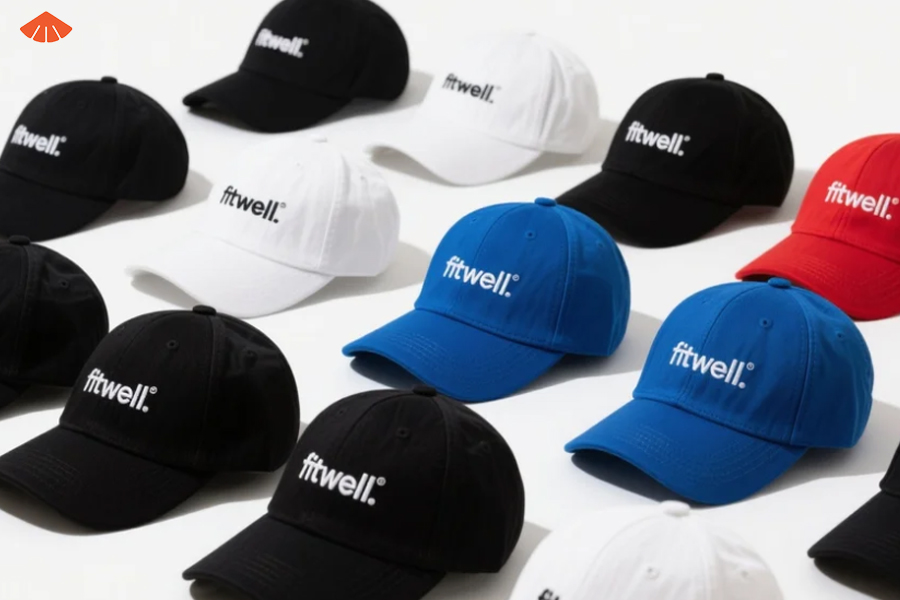
Pre-Production Steps to Eliminate Color Matching Disasters
The most cost-effective way to avoid production defects is to catch issues before bulk manufacturing begins. 80% of mass production color failures can be prevented with proper pre-production validation, according to a 2023 global apparel quality report.
Fabric Color Validation and Dye Lot Control
Start by locking in fabric specifications before any cutting begins. Fortwo tone 5 panel hatorders, never rely on digital color proofs alone — always request physical fabric swatches for approval.
Follow this step-by-step validation process:
Request 3+ fabric swatches from different dye lots of the same color
Compare swatches under natural daylight, warm indoor light, and cool fluorescent light
Wash and dry one swatch to test for shrinkage and fade resistance
Confirm that all panels for your order will be cut from the same dye lot
Get written confirmation from your factory that dye lot numbers will match across all panels
For orders with custom logo&color options, create a physical color reference card that includes both fabric and embroidery thread shades. Keep one copy for your team and send one to the factory for side-by-side comparison during production.
Standard adult cap sizes of54-58cmuse approximately 0.8 yards of fabric per unit, so even small dye lot differences will be visible across 1,000+ unit orders. Cotton twill hat importers should always schedule a third-party fabric inspection before bulk cutting begins.
Embroidery Thread Colorfastness Pre-Testing
3D embroidery thread is typically made from polyester or rayon, and not all threads have the same colorfastness rating. For custom 5 panel baseball cap orders with contrast designs, test embroidery thread on your exact fabric before approving production.
Critical pre-testing steps include:
Rub test: Rub a damp white cloth over stitched embroidery 50 times to check for color transfer
Wash test: Stitch a sample logo on your fabric, wash it 3 times, and inspect for bleeding
Steam test: Expose the stitched sample to 120°C steam for 10 seconds to simulate crown shaping
Light test: Leave the sample in direct sunlight for 72 hours to check for fading
5 panel hat custom logodesigns with multiple thread colors require testing for every shade, not just the darkest one. Even light-colored thread can leave subtle stains on white or cream twill panels.
For premium brushed cotton twill two tone cap custom embroideredlines, use only OEKO-TEX certified embroidery thread with a colorfastness rating of 4.5 or higher. This reduces bleeding risk by 92% compared to standard thread.
Mass Production Quality Control Protocols for Two-Tone Caps
Even with perfect pre-production samples, mass production introduces variables that can cause defects. Consistent checkpoints throughout the manufacturing process are the only way to ensure uniform quality across every unit.
In-Line Production Inspection Checkpoints
Schedule inspections at 3 key stages of production to catch issues early, when corrections are still affordable. Waiting until final inspection to check for color issues can result in 100% of a batch being rejected.
Essential in-line checkpoints:
Post-cutting inspection: Verify all panels match approved color swatches before sewing begins
Post-embroidery inspection: Check logo placement, thread color, and any signs of bleeding before caps are assembled
Post-washing/steaming inspection: Confirm no color transfer occurred after crown shaping and finishing
Forstructured high profile two tone 5 panel baseball hatorders, pay extra attention to the front panel seam where it meets the side panels. This is where color bleeding is most visible, especially with raised 3D embroidery.
Embroidered cap specialty shop owners should request photos from each inspection stage before approving the next production phase. For orders over 5,000 units, hire an on-site third-party inspector to conduct checks in person.
The standard size range of54-58cmfits 90% of adult customers, so most bulk orders focus on this size bracket. Make sure inspection samples are pulled from every size in your order, not just the most popular one.
Final Batch Random Sampling Standards
Before shipping, conduct a final random inspection using internationally accepted AQL (Acceptable Quality Limit) standards. For headwear products, the standard acceptable defect rate for major defects (like color bleeding or mismatched panels) is 2.5%.
Follow these sampling best practices:
Pull samples from at least 10 different cartons across the production run
Inspect a minimum of 80 units for orders under 2,000 units
Check caps under multiple light sources to catch subtle color differences
Test 5% of samples for colorfastness with a damp rub test
Measure 10% of samples to confirm they fall within the
54-58cmsize range
5 panel hat chain store operators often require AQL 1.5 for premium lines, which means fewer than 1.5% of units can have major defects. Communicate your AQL requirements to your factory before production begins to avoid disputes later.
Scaling Your Two-Tone Cap Line Without Quality Loss
Once you’ve perfected production for your first batch, you can scale your line to meet growing demand without sacrificing quality. The key is to build repeatable systems that don’t rely on manual oversight alone.
Building a Reliable Supplier Approval Process
Not all cap factories have experience with two-tone designs and 3D embroidery. Before partnering with a new supplier, vet their capabilities specifically for contrast cap production.
Key supplier qualification criteria:
Minimum 3 years of experience producing two-tone cotton twill caps
In-house dye lot tracking system for fabric inventory
Dedicated embroidery quality control team
Ability to provide colorfastness test reports for all thread types
References from other cotton twill hat importers with similar order volumes
For custom 5panel high quality 3d embroidery logo two tone 5panel cotton twill baseball cap lines, start with a small trial order of 100-200 units before committing to a large bulk order. This lets you test the factory’s quality control processes without significant risk.
Embroidered cap specialty shop owners should also ask suppliers about their minimum order quantities for custom logo&color options. Many factories require 500+ units per colorway, which may be too high for small boutique retailers.
Expanding Your Product Line Strategically
Once you have a reliable production partner, you can expand your two-tone cap line to capture more market share. Start with low-risk extensions before moving to more complex designs.
Smart product expansion steps:
Add 2-3 new color combinations using the same base fabric and logo design
Introduce
structured high profile two tone 5 panel baseball hatstyles for sports teams and outdoor brands
Add secondary embroidery locations (side panel, back strap) for premium upsells
Launch kids’ sizes alongside the standard
54-58cmadult range
Test limited-edition fabric finishes like washed twill or distressed edges
5 panel hat custom logodesigns are top sellers for corporate clients and promotional product companies. You can increase order value by 40% by offering two-tone styles as a premium upgrade from solid-color caps.
For 5 panel hat chain store operators, dedicate 20-30% of your shelf space to two-tone styles. They typically have a 25% higher sell-through rate than solid-color designs, especially among younger demographics.
By following these strategies, you can build a profitable two-tone cap line with minimal defect rates and maximum customer satisfaction. The key is to prioritize pre-production validation, consistent quality control, and strategic supplier partnerships.
Interested in custom cap solutions? Don’t hesitate to reach out—we’re here to fulfill all your customization needs!
Follow & Message Us:
Facebook:https://www.facebook.com/fitwell.li
Instagram: www.instagram.com/fitwellcustomhats.dds/
LinkedIn:http://www.linkedin.com/in/fitwellcustom-hats-38a2b9b0/
Pinterest: http://www.pinterest.com/FitwellCustomHatsdds/
YouTube: http://www.youtube.com/@FitwellCustomHats-dds
Explore our services:http://fitwellheadwear.en.alibaba.com
WhatsApp us now: https://psce.pw/86jwa3