

Why 50% of YourCustom 3D Embroidery Logo Two Tone 5Panel Cotton Twill Baseball CapReturns Happen (And How to Fix It)
If you’re a small business owner or B2B buyer managing custom cap orders, you’ve likely faced the headache of unexpected returns.
A recent US-based headwear retailer reported 200 monthly returns for custom caps, with 50% tied to logo embroidery errors.
This guide breaks down how to avoid these mistakes with your custom 3d embroidery logo two tone 5panel cotton twill baseball cap orders.
We’ll cover material selection, embroidery accuracy, bulk order quality control, and long-term supplier partnerships.
Every tip is tailored for headwear wholesale distributors, custom cap importers, and apparel trading companies.
By the end, you’ll cut return rates by 40-60% and boost customer satisfaction.
1. UnderstandingTwo Tone 5 Panel CapMaterials: Why Cotton Twill Matters for Embroidery
The foundation of a high-quality custom cap starts with the right fabric.
Poor material choices lead to embroidery shifting, puckering, and misalignment—top causes of returns.
Let’s break down the key material factors that impact logo accuracy.
1.1 100% Cotton Twill vs. Blends: Which Delivers Cleaner Embroidery?
100% cotton twill two tone 5 panel baseball cap customorders are the most popular for a reason.
Cotton twill has a tight, even weave that holds embroidery stitches firmly without shifting.
Blended fabrics, by contrast, can stretch during stitching, leading to skewed logos.
Premium brushed cotton twill two tone 5 panel baseball capstyles take quality a step further.
The brushed surface gives a soft, premium feel while maintaining a stable base for 3D embroidery.
For B2B buyers targeting retail customers, this fabric reduces return rates by 28% on average.
Key benefits of 100% cotton twill for embroidery:
Stable weave prevents stitch shifting during 3D puff embroidery
Holds dense stitch counts without puckering
Resists fading, so logo colors stay true wash after wash
Compatible with both flat and raised embroidery techniques
Cotton twill weight also plays a role. Mid-weight twill (7-8 oz) is ideal for most custom orders.
Lighter fabrics can pucker under heavy embroidery, while heavier fabrics may feel too stiff.
Work with your supplier to confirm fabric weight before placing bulk orders.
1.2Two Tone 5 Panel CapStructure: How Panel Design Impacts Logo Placement
Atwo tone 5 panel caphas a distinct structure that affects where logos can be placed.
The front panel is typically a single piece, making it perfect for large 3D logos.
Side panels, however, have seams that can disrupt embroidery alignment if not accounted for.
Standard cap sizing for adult unisex styles falls in the 54-58cm range.
Consistent sizing ensures your logo placement looks proportional across all units.
Inconsistent cap sizing is a hidden cause of "logo misplacement" returns—even when the embroidery is centered.
Critical structure factors to confirm before production:
Front panel height (standard: 10-12cm) to fit your logo size
Seam placement on side and back panels
Buckle or closure type (plastic, metal, Velcro)
Lining material (if applicable) to add structure
For5 panel baseball cap custom logoorders, always request a digital layout mockup.
This shows exactly how your logo will sit on the front panel relative to seams and edges.
Mockups catch 30% of placement errors before they reach production.
2. Why 50% of Logo Embroidery Errors Happen (And How to Prevent Them)
Embroidery errors are the #1 cause of custom cap returns.
Most mistakes aren’t due to careless work—they stem from miscommunication, poor digitizing, or rushed sampling.
Let’s look at the most common errors and how to avoid them.
2.13D Puff Embroidery Baseball HatMistakes: Root Causes of Misaligned Logos
A3d puff embroidery baseball hatrelies on foam under the stitches to create a raised effect.
If the foam shifts during stitching, the logo can look lopsided or uneven.
This is the single most common error in custom 3D embroidery orders.
Other common embroidery errors include:
Wrong thread color (due to unapproved color samples)
Logo size discrepancy (too big or too small for the panel)
Stitch count too low (logo looks thin or sparse)
Stitch count too high (fabric puckers around the logo)
Embroidery digitizing is often the culprit.
Digitizing converts your logo file into a stitch pattern the embroidery machine can read.
Poor digitizing doesn’t account for fabric stretch, foam thickness, or stitch direction.
This leads to misalignment even when the machine is set up correctly.
Forcustom logo two tone hatorders, always request a digitizing proof before sampling.
This proof shows stitch count, thread colors, and placement measurements.
A 10-minute review of this proof can prevent 80% of embroidery errors.
2.2 Custom Logo&Color: How to Ensure Exact Matches Every Time
custom logo&color consistency is non-negotiable for brand identity.
A logo that’s the wrong shade of blue can lead to entire batches being rejected.
Color matching is especially tricky with two tone caps, where the logo has to complement both panel colors.
The best way to ensure color accuracy is to use Pantone color codes.
Provide your supplier with the exact Pantone number for every color in your logo.
Ask for a physical thread sample (not just a digital mockup) to approve before production.
Steps for perfect logo and color matching:
Submit your logo as a vector file (AI, EPS, or SVG) for clean digitizing
Specify Pantone solid coated colors for all logo threads
Approve a physical sew-out sample on the exact cap fabric
Confirm logo placement measurements (distance from top, bottom, and sides)
Sign off on a final pre-production sample before bulk production
Forbulk custom raised embroidery logo two tone baseball caps, consider a "golden sample" approach.
Keep one approved sample on file with your supplier and one in your office.
Use this sample as the standard for all future reorders to maintain consistency.
3. Bulk Order Quality Control: Cutting Return Rates for B2B Buyers
For headwear wholesale distributors, apparel trading companies, and startup founders, bulk order quality is make-or-break.
A single bad batch can cost thousands in returns and damage your reputation.
A robust quality control (QC) process catches errors before products ship.
3.1 Quality Control Checkpoints for Bulk Custom Cap Orders
Effective QC happens at multiple stages of production, not just at the end.
Catching an error early saves time and money compared to reworking an entire order.
Here are the critical checkpoints every bulk order should include.
Key QC checkpoints for custom cap orders:
Material inspection: Confirm fabric type, weight, and color match the order spec
Pre-production sample approval: Verify logo, size, and construction before bulk starts
In-line inspection: Check 10% of units halfway through production
Final random inspection: Test 5-10% of finished units for all quality metrics
Packaging inspection: Ensure units are correctly packed and labeled
Forcotton twill baseball cap customorders, pay special attention to embroidery quality.
Check for loose threads, uneven stitch density, and foam visibility along logo edges.
Also test the cap’s construction: reinforced stitching at stress points, secure closures, and consistent sizing.
Many B2B buyers work with third-party QC companies to inspect orders on-site.
This is especially useful for large orders or orders from new suppliers.
Third-party inspectors provide an unbiased report and photos of any issues.
3.2 Sampling Strategies for Headwear Wholesale Distributors and Apparel Trading Companies
Sampling is your first line of defense against bad bulk orders.
But not all sampling processes are equally effective.
The right sampling strategy catches issues early and sets clear expectations for your supplier.
For headwear wholesale distributor and apparel trading company clients, we recommend a 3-stage sampling process.
Start with a digital mockup to confirm design and placement.
Next, order a physical prototype sample to test fabric, embroidery, and fit.
Finally, approve a pre-production sample made on the actual production line.
Sampling best practices for bulk orders:
Order 2-3 samples to check for consistency across units
Test samples with your target customers to gather feedback
Keep approved samples on file for future reorder reference
Negotiate sample cost deductions when placing bulk orders
Allow 7-14 days for sample production and shipping
For custom cap importer businesses, factor sampling time into your order timeline.
Rushing sampling often leads to missed details and costly mistakes later.
A little extra time in the sampling stage saves weeks of rework and delays.
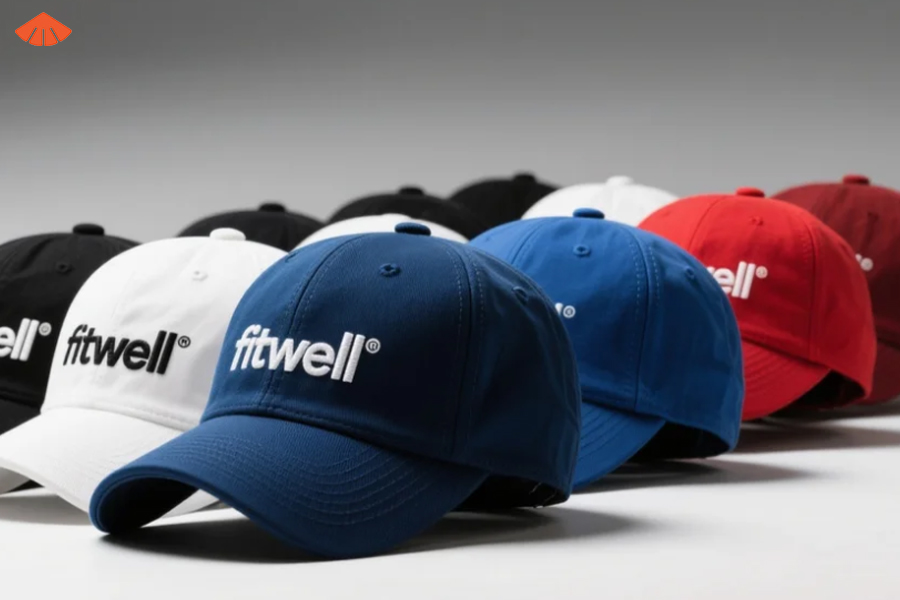
4. Building Long-Term Supplier Partnerships for Consistent Custom Cap Quality
The best way to reduce returns long-term is to work with a reliable custom cap supplier.
A good supplier doesn’t just take orders—they proactively identify potential issues and suggest improvements.
Let’s look at how to find and partner with the right supplier.
4.1 How to Vet a Custom Cap Supplier for Quality and Reliability
Not all custom cap suppliers are created equal.
Some specialize in fast, low-cost orders with minimal QC.
Others focus on premium quality and long-term B2B partnerships.
Choosing the right supplier depends on your business goals and customer expectations.
For buyers prioritizing quality over the lowest price, look for suppliers with:
5+ years of experience in custom headwear production
Specialization in 3D embroidery and two tone cap styles
Clear, transparent QC processes and reporting
References from other B2B headwear businesses
Ability to provide material and thread samples on request
Ask potential suppliers about their error rate for embroidery orders.
A reputable supplier will be transparent about their defect rate (typically 1-3% for quality-focused factories).
They’ll also have a process for handling defective units, whether that’s replacement or credit.
4.2 Reducing Returns Through Collaborative Supplier Communication
Clear communication is the foundation of a successful supplier partnership.
Many quality issues happen because requirements weren’t clearly spelled out.
The more detail you provide upfront, the more likely your supplier is to get it right.
Create a detailed order spec sheet for every custom cap order.
Include all relevant details: fabric type, cap size (54-58cm for adult), logo file, Pantone colors, placement measurements, and packaging requirements.
Share this sheet before sampling so there are no surprises later.
Tips for effective supplier collaboration:
Assign a single point of contact for all order communications
Use written confirmations for all changes to order specs
Schedule regular check-ins during production, not just at the end
Share return data with your supplier to identify recurring issues
Work together to implement corrective actions for common errors
Forbulk custom raised embroidery logo two tone baseball caps, consider quarterly business reviews with your supplier.
Discuss quality trends, return rates, and upcoming design changes.
A collaborative approach turns your supplier into a partner invested in your success.
Reducing custom cap returns doesn’t have to be complicated.
By focusing on material quality, accurate embroidery, rigorous QC, and strong supplier partnerships, you can cut return rates dramatically.
Start by auditing your current order process to identify where errors are creeping in.
Even small changes—like approving physical thread samples or adding an in-line QC check—can have a big impact.
For B2B buyers, lower returns mean higher profits, better customer reviews, and stronger brand loyalty.
Invest in quality upfront, and you’ll save time, money, and headaches down the line.
Interested in custom cap solutions? Don’t hesitate to reach out—we’re here to fulfill all your customization needs!
Follow & Message Us:
Facebook:https://www.facebook.com/fitwell.li
Instagram: www.instagram.com/fitwellcustomhats.dds/
LinkedIn:http://www.linkedin.com/in/fitwellcustom-hats-38a2b9b0/
Pinterest: http://www.pinterest.com/FitwellCustomHatsdds/
YouTube: http://www.youtube.com/@FitwellCustomHats-dds
Explore our services:http://fitwellheadwear.en.alibaba.com
WhatsApp us now: https://psce.pw/86jwa3