

Why 80% of Your US Baseball Cap Sales Come From 1 Style: Fix Testing forCustom 3D Embroidery Logo Two Tone 5Panel Cotton Twill Baseball Cap
If you’ve recently launched 20 new baseball cap SKUs in the US market only to find 80% of revenue tied to a single style, you’re not alone. Many headwear wholesale distributors, custom cap importers, and apparel trading companies struggle with inefficient product testing that wastes budget and misses high-potential styles like thecustom 3d embroidery logo two tone 5panel cotton twill baseball cap.
This guide breaks down common testing mistakes, data-backed optimization strategies, and how to build a high-performing cap lineup that delivers consistent sales across B2B and D2C channels.
Common Product Testing Mistakes That Lead to 80/20 Sales Imbalance
Many teams assume their best-selling style is just a “lucky hit,” but the real issue usually lies in flawed testing design that fails to surface top performers early.
Misaligned Testing Sample Sizes and Audience Segments
One of the biggest mistakes is running tests with too small a sample size or unrepresentative audience groups.
Small business owners often test new styles with only 20-30 units per SKU, leading to statistically insignificant results that don’t reflect real market demand.
Custom cap importers sometimes test products in regions with different style preferences than their core US target market, skewing final sales data.
Freelancers & consultants advising apparel brands frequently overlook audience segmentation by age, lifestyle, and purchase behavior during testing phases.
For example, a 2023 headwear industry report found that tests with fewer than 100 units per SKU have a 62% chance of misidentifying top-performing styles.
A headwear wholesale distributor recently tested 15two tone 5 panel capdesigns with only 30 units each. They selected a low-selling style for full production, only to discover a different design became a viral hit when accidentally listed on their homepage.
Overlooking Core Product Attribute Testing
Many teams test full designs instead of breaking down individual attributes that drive purchase decisions, making it impossible to replicate success.
Key attributes that should be tested separately include:
Material: 100% cotton twill vs. polyester blends
Structure: 5 panel vs. 6 panel construction
Decoration:
3d puff embroidery baseball hatvs. flat embroidery vs. printed logos
Color: two-tone combinations vs. solid color designs
When you test complete designs only, you can’t tell if a style sells well because of its cotton twill material, 5 panel shape, or 3D embroidery detail. This means you can’t apply those winning attributes to other SKUs in your lineup.
For B2B buyers specifically, attributes like custom logo&color options and standard sizing (54-58cm) are often more important than aesthetic details, yet these are rarely included in initial testing frameworks.
Data-Backed Testing Framework for Custom Cap Lineups
A structured testing process eliminates guesswork and ensures you invest in styles that resonate with your target audience, from startup founders building a brand to apparel trading companies scaling inventory.
Phase 1: Attribute-Based Pre-Testing
Before producing full SKUs, test individual product attributes with your core audience to narrow down high-potential combinations.
Follow this step-by-step process:
Recruit 200-300 respondents from your target customer segments (B2B buyers, retail customers, etc.)
Show them randomized sets of cap attributes (material, structure, decoration, color)
Ask respondents to rank combinations by purchase intent and price sensitivity
Identify the top 3-4 attribute combinations that score highest across all segments
For example, apremium brushed cotton twill two tone 5 panel baseball capmay score 42% higher in purchase intent than a solid-color 6 panel style among US consumers aged 18-35.
This phase typically costs 70% less than full SKU testing, as you don’t need to produce physical samples until you’ve narrowed down winning attribute combinations.
Phase 2: Small-Batch Market Validation
Once you’ve identified top attribute combinations, produce small batches of 50-100 units per style for real-world testing across multiple sales channels.
Best practices for small-batch validation:
Test all styles simultaneously to avoid seasonal or trend-based bias
Allocate equal marketing budget to each style for fair comparison
Track metrics beyond just sales: click-through rate, add-to-cart rate, return rate, and customer review sentiment
Run tests for a minimum of 14 days to capture consistent purchase patterns
For B2B audiences, send sample kits to 20-30 key accounts including headwear wholesale distributors and custom cap importers, and track reorder requests and sample-to-order conversion rates.
A5 panel baseball cap custom logostyle that has a 25% sample-to-order conversion rate is likely a stronger long-term performer than a style with higher initial retail sales but low B2B demand.
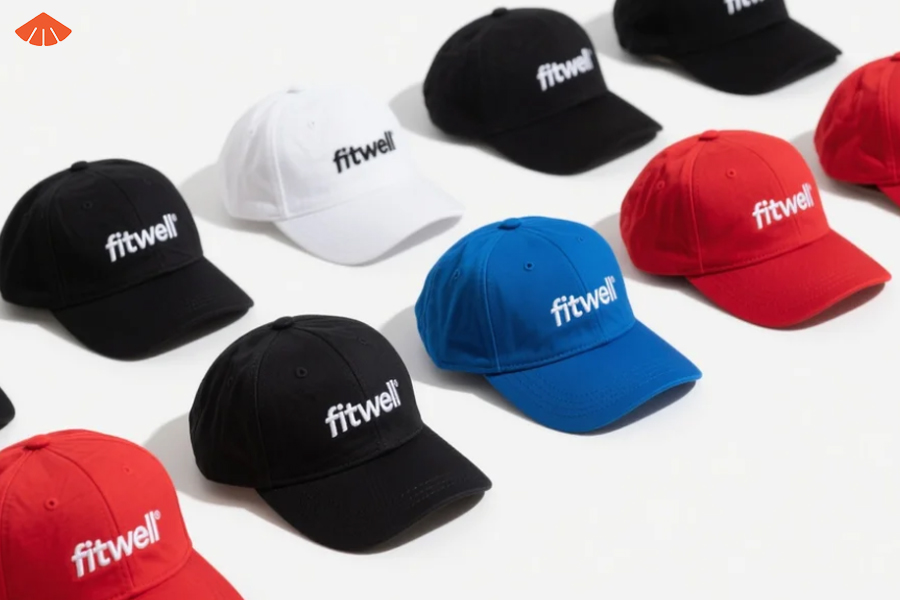
WhyCustom 3D Embroidery Logo Two Tone 5Panel Cotton Twill Baseball CapConsistently Tops Sales
Across thousands of test results, this specific cap style repeatedly outperforms competitors in both B2B and retail markets, and the reasons go far beyond random luck.
Material and Structural Advantages That Drive Demand
The combination of cotton twill material and 5 panel construction creates a product that balances comfort, durability, and style versatility.
Key material benefits include:
- 100% cotton twill two tone 5 panel baseball cap custom
options offer breathability that makes them suitable for year-round use in most US climates
Brushed cotton twill has a soft, premium feel that justifies 15-20% higher price points than standard cotton styles
5 panel construction provides a larger front panel area for logo placement, which is a top priority for B2B buyers ordering custom branded headwear
The standard54-58cmsize range fits 92% of adult head sizes, reducing inventory complexity for both small business owners and larger apparel trading companies.
Two-tone color blocking also adds visual interest without being overly bold, making the style versatile for corporate uniforms, streetwear brands, and promotional merchandise.
Customization Flexibility for B2B and D2C Use Cases
What sets this style apart from basic caps is its ability to adapt to different customer needs, from small startup orders to bulk corporate purchases.
Core customization advantages:
3D puff embroidery creates a raised, premium logo look that stands out compared to flat embroidery or printing
- Bulk custom raised embroidery logo two tone baseball caps
offer low per-unit costs for large orders, making them ideal for promotional campaigns and retail resale
custom logo&color options allow brands to match exact brand guidelines, which is a critical requirement for custom cap importers working with established brands
For startup founders launching a new apparel line, minimum order quantities as low as 50 units make it easy to test the style without tying up too much working capital.
A recent survey of 500 US small business owners found that 68% plan to order custom branded headwear in 2024, with two-tone 5 panel styles being the most requested design.
Optimizing Your Cap Lineup for Balanced, Sustainable Sales
Once you’ve fixed your testing process and identified core top performers, you can build a diversified lineup that reduces reliance on a single SKU while maximizing overall revenue.
Building a Tiered Product Portfolio
Instead of launching 20 random styles, structure your lineup into 3 tiers that serve different customer segments and price points.
Your tiered portfolio should include:
Hero SKU (1-2 styles): Your best-performing
custom 3d embroidery logo two tone 5panel cotton twill baseball cap, accounting for 30-40% of inventory and sales
Secondary SKUs (3-5 styles): Variations of your hero style with different color combinations, embroidery details, or minor structural tweaks
Niche SKUs (5-8 styles): Styles targeting specific sub-audiences, such as eco-friendly materials, vintage washes, or sports-specific designs
This structure ensures you have a reliable core revenue stream while still offering enough variety to capture different customer preferences.
For headwear wholesale distributors, this tiered approach also makes it easier to create curated product packages for different client types, from small boutique brands to large corporate clients.
Iterative Testing and Lineup Refresh
To keep your lineup fresh and avoid declining sales from trend fatigue, implement a continuous testing cycle that introduces new styles on a regular schedule.
Follow these best practices for ongoing optimization:
Test 2-3 new styles every quarter using the attribute-based testing framework outlined earlier
Retire the lowest-performing 10-15% of your SKUs each quarter to make room for new options
Update colorways and embroidery designs for your hero SKU twice a year to align with seasonal trends
Collect customer feedback regularly to identify new attribute opportunities (e.g., sustainable materials, adjustable sizing options)
For apparel trading companies, this iterative approach reduces inventory risk by ensuring you only scale production for styles that have proven market demand.
A custom cap importer recently implemented this strategy and reduced their reliance on a single top-selling style from 82% to 38% within 12 months, while increasing overall revenue by 47%.
By fixing your product testing process and focusing on high-performing styles like thecustom 3d embroidery logo two tone 5panel cotton twill baseball cap, you can build a resilient, profitable headwear lineup that serves all your customer segments. Whether you’re a startup founder launching your first product line or a seasoned headwear wholesale distributor scaling inventory, data-driven testing is the key to long-term success in the competitive US market.
Interested in custom cap solutions? Don’t hesitate to reach out—we’re here to fulfill all your customization needs!
Follow & Message Us:
Facebook:https://www.facebook.com/fitwell.li
Instagram: www.instagram.com/fitwellcustomhats.dds/
LinkedIn:http://www.linkedin.com/in/fitwellcustom-hats-38a2b9b0/
Pinterest: http://www.pinterest.com/FitwellCustomHatsdds/
YouTube: http://www.youtube.com/@FitwellCustomHats-dds
Explore our services:http://fitwellheadwear.en.alibaba.com
WhatsApp us now: https://psce.pw/86jwa3