

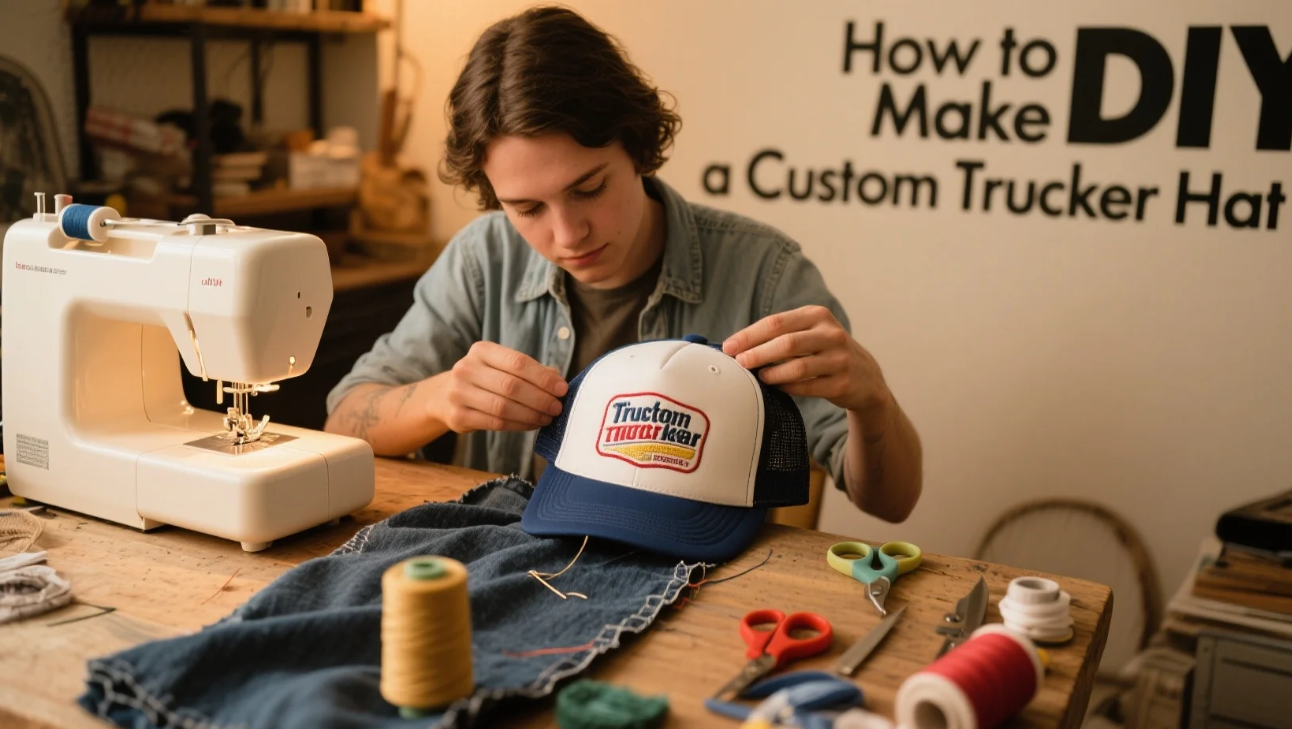
Design Concept and Planning
Sketching and Ideation: Start by sketching out ideas on paper. Consider elements like the overall style, color scheme, and the main visual elements such as logos, text, or graphics. For example, if it’s a hat for a surf - themed event, ideas could include waves, surfboards, or palm trees.
Digital Design Tools: Utilize digital design tools like Adobe Illustrator or CorelDRAW to create a more refined and high - resolution design. These tools allow for precise manipulation of shapes, colors, and text, ensuring that the final design is print - ready. Pay attention to the size and proportion of the design elements to ensure they fit appropriately on the hat.
Material Selection
Front Panel Materials: The front panel of a trucker hat is typically made from materials such as cotton, polyester, or a cotton - polyester blend. Cotton offers a natural, breathable feel and is suitable for a soft, comfortable hat. Polyester, on the other hand, is more durable, resistant to wrinkles, and can hold colors well. A blend combines the advantages of both, providing comfort and durability. For example, a 60/40 cotton - polyester blend is a popular choice.
Mesh Back Materials: The mesh back of the trucker hat is usually made of polyester mesh. This material is chosen for its excellent breathability, allowing air to circulate and keeping the wearer cool. Different types of mesh vary in terms of openness and texture, which can impact the overall look and feel of the hat.
Other Components: Don’t forget about other essential components like the snapback closure, stitches, and lining. The snapback closure should be sturdy and easy to adjust. High - quality thread for stitching ensures the hat holds together well, while a lining can add extra comfort and durability to the hat.
Production Methods
Embroidery
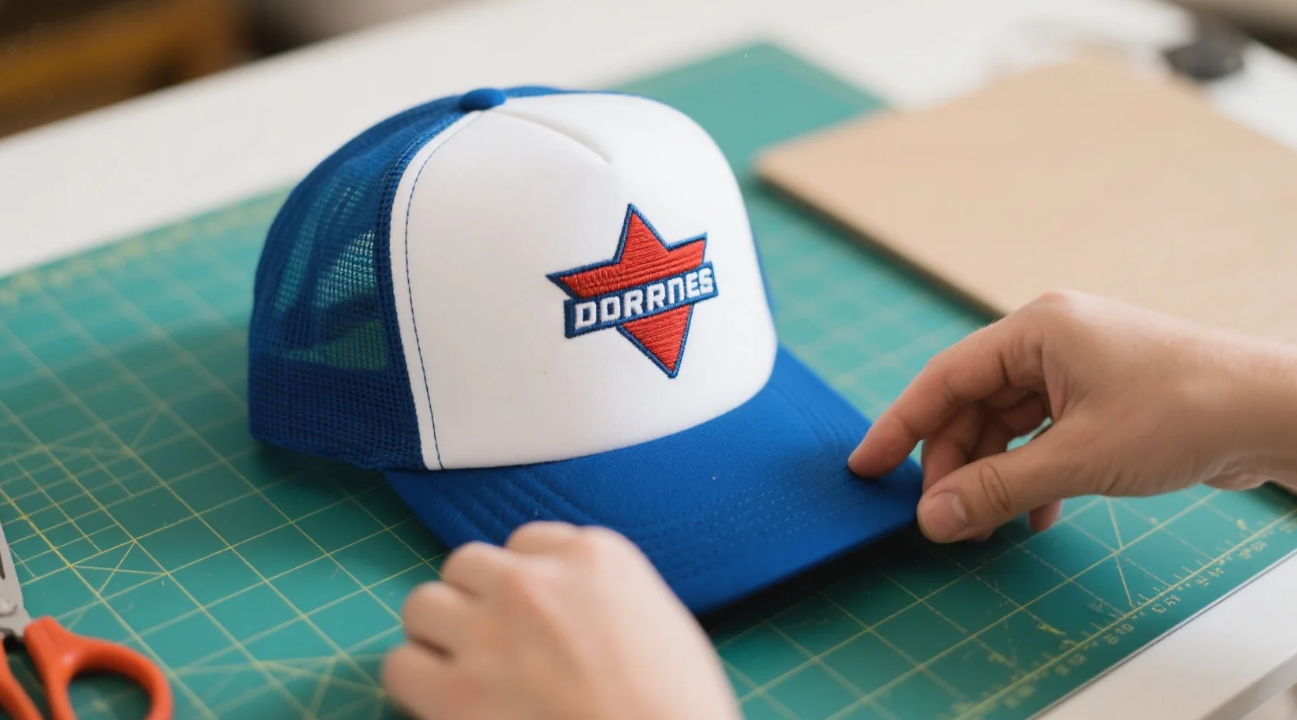
Digitizing the Design: First, the design needs to be digitized into a format that can be read by an embroidery machine. Specialized software is used to convert the digital design into a series of stitch patterns.
Embroidery Process: The hat is then hooped onto the embroidery machine, and the machine uses the digitized design to stitch the pattern onto the fabric. The quality of the embroidery depends on factors such as stitch density, thread quality, and the precision of the machine. Embroidery provides a high - end, durable finish and adds texture to the design, making it stand out.
Screen Printing
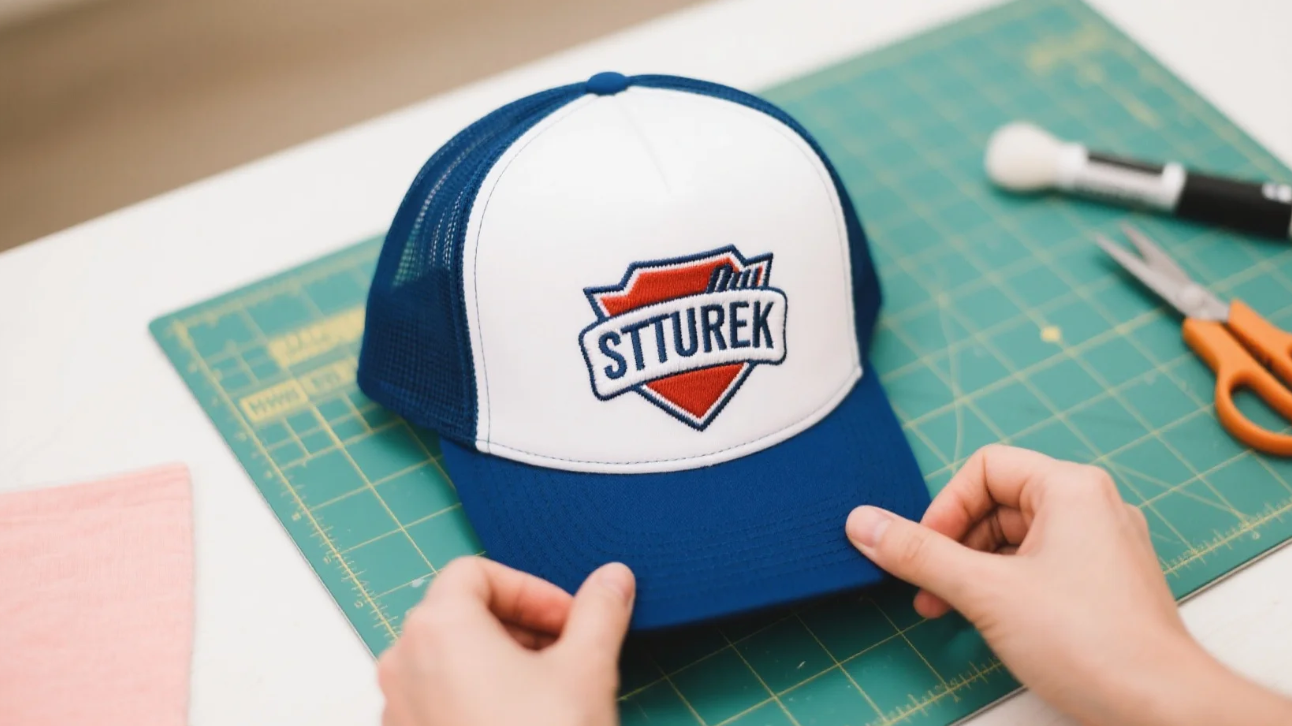
Screen Preparation: A screen is created for each color in the design. The screen is coated with a photosensitive emulsion, and the design is transferred onto the screen using a film positive. When exposed to light, the emulsion hardens in the areas not covered by the design, creating a stencil.
Printing Process: The screen is then placed over the hat, and ink is pushed through the open areas of the screen onto the fabric using a squeegee. Multiple screens are used for multi - colored designs, with each screen printing a different color. Screen printing allows for vibrant, detailed designs and is suitable for complex graphics and large - scale production.
Heat Transfer
Design Preparation: The design is printed onto a special transfer paper using a digital printer. The ink used in heat transfer is formulated to bond with the fabric when heat is applied.
Transfer Process: The transfer paper with the design is placed on the hat, and a heat press is used to apply heat and pressure. This causes the ink to transfer from the paper to the fabric, creating the customized design. Heat transfer is a quick and cost - effective method, especially for small - batch orders, but the design may be less durable compared to embroidery or screen printing.
Assembly and Construction
Panel Sewing: The front panel with the customized design is sewn to the mesh back panel. Precise stitching is required to ensure a smooth and even finish. The brim is also attached at this stage, and the seams are reinforced to increase the hat’s durability.
Adding the Closure: The snapback closure is then attached to the back of the hat. It’s important to ensure that the closure is securely fastened and functions properly, allowing for easy adjustment of the hat’s size.
Quality Control
Visual Inspection: Each hat is carefully inspected for any visible flaws such as uneven stitching, misaligned designs, or loose threads. The color and clarity of the design are also checked to ensure they match the original design specifications.
Functionality Check: The snapback closure is tested to make sure it opens and closes smoothly and holds the hat in place securely. The overall shape and fit of the hat are also evaluated to ensure it meets the required standards.
Durability Testing: In some cases, hats may undergo durability testing such as washing tests to check how the design and materials hold up over time. This helps to ensure that the hat will maintain its quality even after regular use.