

Why Stitching Makes or Breaks Your Design
When you order a custom baseball cap embroidered logo 6 panel cotton Hard front, the logo and fabric get all the attention—but stitching is the hidden factor that defines quality.
For B2B buyers, startup founders, and brand identity design agencies, a single flawed stitch line can ruin a full batch of branded merchandise.
This guide breaks down two critical stitching metrics: binding stitch spacing and high-head machine assembly precision, and how they impact your custom hat projects.
1. The Hidden Cost of Poor Stitching on Custom Hard Front Caps
A low-quality stitch job doesn’t just look bad—it leads to returns, reworks, and damaged brand reputation.
For small business owners and custom product sourcing consultants, even a 5% defect rate can erase profit margins on a bulk order.
Understanding the risks is the first step to avoiding costly mistakes.
1.1 How Bad Stitching Ruins Branded Hat Designs
Even the most creative logo falls flat if the surrounding stitching is uneven or misaligned.
On a6 panel cap embroidered front,misaligned seams can shift the logo off-center, making the entire cap look unprofessional.
For premium brands, this kind of detail erodes perceived value instantly.
Common stitching defects that ruin designs include:
Uneven stitch length along panel seams, creating a “wavy” look on the hard front crown
Loose threads that catch on fabric or embroidery, causing snags during wear
Misaligned side panels that make the cap sit lopsided on the wearer’s head
Weak stitching at the brim attachment that causes the visor to warp after a few uses
For a custom hard front cotton baseball cap with flat and 3D embroidery combo, the stakes are even higher.
3D puff embroidery relies on a stable, evenly stitched crown to hold its shape.
If the underlying panel stitching is loose, the puff embroidery can sink or warp, losing its raised, premium look.
A 2023 headwear industry report found that 62% of bulk custom hat returns are tied to stitching defects, not embroidery or fabric issues.
This stat is a wake-up call for teams that focus only on logo design and ignore construction quality.
1.2 Long-Term Durability Risks for Bulk Orders
Stitching quality directly impacts how long a cap lasts with regular wear.
For brands that sell hats as merchandise or give them away at events, durability is a core part of the customer experience.
A cap that falls apart after a month of wear reflects poorly on your entire brand.
Key durability risks from poor stitching:
Seam splitting along the 6 panel joints, especially on structured hard front styles
Embroidery backing peeling away from the crown fabric
Back strap (including velcro styles) detaching from the cap body
Sweatband stitching coming loose, causing discomfort and fraying
For a custom brushed cotton baseball cap, which uses a heavier, more textured fabric, consistent stitching is even more critical.
Thicker cotton puts more tension on seams, so weak or uneven stitches will fail faster than they would on thinner fabrics.
B2B buyers ordering 500+ units at a time can’t afford to have 10-20% of their order fail within the first 3 months of use.
2. Binding Stitch Spacing: The Metric That Defines Hard Front Cap Quality
Binding stitch spacing—often called “压条针距” in Chinese manufacturing—is the distance between each stitch along the cap’s binding seams.
This small detail has a huge impact on both the look and strength of a structured cotton cap.
For premium custom hats, consistent stitch spacing is a non-negotiable quality standard.
2.1 What Is Ideal Stitch Spacing for 6 Panel Cotton Caps?
Stitch spacing is measured in stitches per inch (SPI) or millimeters between stitches.
For hard front cotton baseball caps, the industry standard for high-quality construction is 8-10 stitches per inch (about 2.5-3mm between stitches).
This spacing balances strength, flexibility, and a clean, premium appearance.
Ideal stitch spacing benchmarks for different cap parts:
Crown panel seams: 8-9 SPI for maximum structural support on the hard front
Brim binding: 9-10 SPI for a smooth, even edge that won’t fray
Sweatband attachment: 8 SPI for durable, comfortable wear
Back strap attachment: 8 SPI to handle repeated adjustment tension
For a custom baseball cap embroidered logo 6 panel cotton Hard front, the crown panel stitch spacing is especially important.
The hard front buckram (the stiff fabric inside the crown) relies on tight, even stitching to stay in place.
If spacing is too wide (under 7 SPI), the buckram can shift, causing the crown to lose its shape.
If spacing is too tight (over 11 SPI), the fabric can pucker, creating visible wrinkles on the cap’s front.
Personalized baseball caps embroidered with detailed logos look best when the surrounding stitching is consistent.
Uneven stitch spacing draws the eye away from the logo, making even the most well-executed embroidery feel low-quality.
For brand identity design agencies, this is a key detail to specify in every custom hat brief.
2.2 How to Verify Stitch Spacing Before Approving a Bulk Order
You don’t need a factory background to check stitch spacing on a pre-production sample.
A quick, 2-minute inspection can help you catch issues before you commit to a full bulk run.
This is a critical step for custom product sourcing consultants and small business owners who may not have a dedicated quality control team.
Simple steps to check binding stitch spacing:
Lay the cap flat on a table and measure a 1-inch section of the front crown seam
Count the number of stitches in that 1-inch section to calculate SPI
Check 3-4 different seams (crown, brim, sweatband) to ensure consistency
Look for any “skipped” stitches or uneven spacing along the binding
Gently pull the seam from both sides to check for gaps or looseness
Forcustom hats with logo embroideredon the front, pay extra attention to the seam directly below the embroidery.
If this seam has uneven spacing, it can warp the embroidery patch over time, especially after washing.
You should also check the inside of the cap—loose bobbin threads or messy backstitching are signs of poor overall quality control.
A reliable custom 6 panel hard crown cotton hats OEM factory will provide stitch spacing specs in their quote, and will share sample photos that clearly show seam details.
If a supplier can’t tell you their standard SPI, or refuses to send close-up photos of sample stitching, that’s a major red flag.
It usually means they cut corners on construction quality to offer a lower price.
3. High-Head Machine Assembly Precision: The Secret to Consistent Bulk Quality
High-head sewing machines are specialized tools used to assemble structured baseball caps.
Unlike regular flat sewing machines, high-head machines can sew through multiple thick layers of cotton, buckram, and brim material with consistent tension.
The precision of these machines—and the operators who run them—directly impacts the consistency of your bulk order.
3.1 Why High-Head Machines Matter for Structured Cotton Caps
Regular sewing machines struggle with the thick, layered construction of hard front baseball caps.
They can cause uneven thread tension, misaligned seams, and broken needles when sewing through 4-5 layers of cotton and buckram.
High-head machines are built specifically for this kind of heavy-duty headwear assembly.
Key benefits of high-head machine assembly:
Consistent thread tension across every seam, preventing puckering or loose stitches
Ability to sew through thick hard front buckram without shifting or misalignment
Uniform seam allowance across all caps in a bulk order, ensuring consistent sizing
Faster, more accurate assembly of 6 panel crowns, reducing human error
For a custom 3D puff embroidery structured cotton baseball caps supplier, high-head machines are essential for maintaining embroidery alignment.
When the crown panels are assembled with precise, even tension, the embroidery machine can place the 3D puff design exactly where it belongs, every time.
If the crown is slightly lopsided from poor assembly, the embroidery will be off-center, even if the embroidery machine itself is perfectly calibrated.
For custom 6 panel hat embroidered styles, assembly precision also impacts fit.
A cap with perfectly aligned panels will sit evenly on the head, with a consistent54-58cmcircumference across all units in an order.
Misaligned panels can cause sizing variations of up to 1cm, leading to fit complaints from end customers.
This is a common issue with factories that use manual assembly or low-quality sewing equipment.
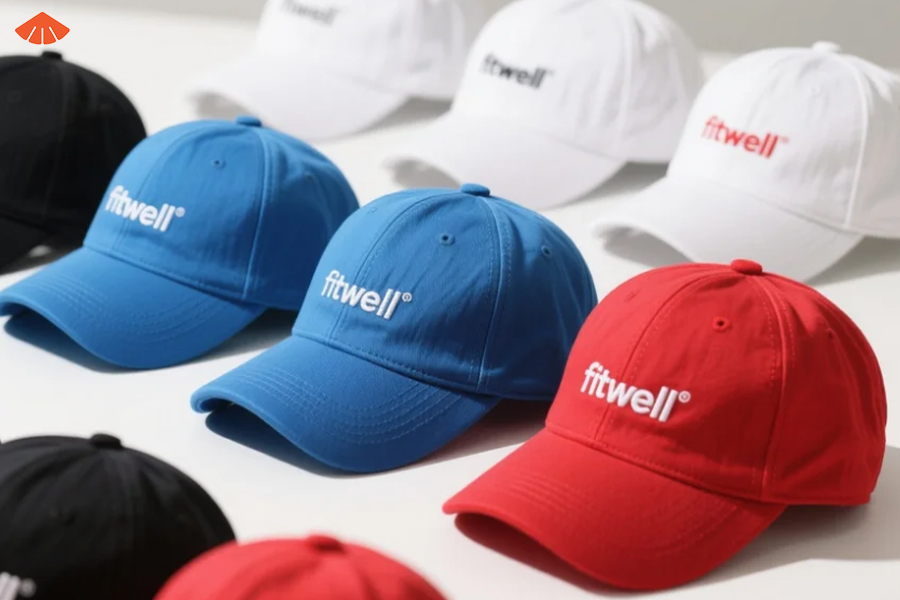
3.2 How to Assess a Factory’s High-Head Machine Capabilities
Not all custom hat factories invest in high-quality high-head machines or train their operators properly.
When vetting suppliers, it’s important to ask specific questions about their equipment and assembly processes.
This will help you avoid factories that outsource assembly or use outdated, low-precision machines.
Questions to ask potential suppliers about high-head machine assembly:
How many high-head sewing machines do you have in your production facility?
What is the experience level of your high-head machine operators?
Do you use automatic thread trimming and tension control on your machines?
What is your typical defect rate for 6 panel hard front cotton cap assembly?
Can you provide a tour of your assembly floor (virtual or in-person)?
A top-tier custom 6 panel hard crown cotton hats OEM factory will have 20+ high-head machines, with operators who have 3+ years of specialized experience.
They will also have a dedicated quality control station after assembly, where every cap is checked for seam alignment, sizing, and stitch consistency.
Factories that cut corners may only have 2-3 high-head machines, or may use regular flat machines for most of the assembly process.
For headwear embroidery service providers that partner with factories to fulfill client orders, verifying high-head machine capabilities is a key part of quality assurance.
If your factory can’t deliver consistent assembly, your embroidery work will never look as good as it should, no matter how skilled your embroidery team is.
4. How to Source High-Quality Custom Baseball Caps That Meet Stitching Standards
Now that you understand the importance of stitch spacing and high-head machine precision, you can apply this knowledge to your next custom hat order.
Whether you’re a startup founder ordering branded merch or a custom product sourcing consultant managing client projects, these steps will help you get the quality you need.
4.1 Key Specs to Include in Your Custom Hat Quote Request
The best way to ensure high stitching quality is to be specific about your requirements in your initial quote request.
Don’t just ask for “custom cotton baseball caps”—list out the exact stitching and construction standards you expect.
This will help you get accurate quotes from qualified suppliers, and avoid low-ball offers from factories that cut corners.
Must-include stitching and construction specs for your quote:
8-10 SPI stitch spacing on all crown, brim, and sweatband seams
High-head machine assembly for all 6 panel hard front crowns
100% inspection of seam alignment and stitch consistency before shipping
Custom logo&color options with embroidery alignment guarantee
Standard sizing of
54-58cmwith consistent circumference tolerance of ±0.5cm
You should also specify details like closure style (for example, a custom baseball cap with velcro back) and fabric type (like brushed cotton) to get a fully accurate quote.
The more specific you are upfront, the less likely you are to run into quality issues later.
Forcustom hard front cotton baseball cap with flat and 3D embroidery comboorders, add a line about embroidery stability—require that the crown stitching is tight enough to support 3D puff embroidery without warping.
4.2 Red Flags to Avoid When Choosing a Custom Hat Supplier
Even if a supplier has a great website and low prices, there are certain warning signs that indicate poor stitching quality.
Learning to spot these red flags early can save you time, money, and frustration down the line.
This is especially important for small business owners who may be ordering custom hats for the first time.
Top red flags for low-quality stitching and assembly:
Supplier can’t provide close-up photos of sample stitching or stitch spacing specs
Prices are 20-30% below the average quote from other suppliers
Factory refuses to provide a pre-production sample before bulk production
Supplier uses vague language about “quality stitching” without specific details
Lead times are unusually short (less than 10 days for bulk 6 panel hard front orders)
For startup founders working with a limited budget, it can be tempting to go with the cheapest supplier.
But the cost of reworks, returns, and damaged brand reputation far outweighs the initial savings.
A high-qualitycustom baseball cap embroidered logo 6 panel cotton Hard frontwill last longer, look better, and deliver a better return on investment for your brand.
When you find a supplier that meets all your stitching and quality standards, build a long-term partnership with them.
A reliable supplier will learn your brand’s preferences, help you optimize your designs for production, and deliver consistent quality order after order.
For B2B buyers and custom product sourcing consultants, a trusted supplier is one of your most valuable business assets.
In conclusion, stitching quality is the foundation of a great custom baseball cap.
By focusing on binding stitch spacing and high-head machine assembly precision, you can ensure your custom hats look professional, last longer, and represent your brand well.
Don’t let poor stitching ruin your design—prioritize construction quality in every custom hat order.
Interested in custom cap solutions? Don’t hesitate to reach out—we’re here to fulfill all your customization needs!
Follow & Message Us:
Facebook:https://www.facebook.com/fitwell.li
Instagram: www.instagram.com/fitwellcustomhats.dds/
LinkedIn:http://www.linkedin.com/in/fitwellcustom-hats-38a2b9b0/
Pinterest: http://www.pinterest.com/FitwellCustomHatsdds/
YouTube: http://www.youtube.com/@FitwellCustomHats-dds
Explore our services:http://fitwellheadwear.en.alibaba.com
WhatsApp us now: https://psce.pw/86jwa3