

Custom Baseball Cap Embroidered Logo 6 Panel Cotton Hard FrontBulk Order Failures: Why Your Hats Have Dents, Bulges and Crooked Brims
If you’ve ever received a bulk shipment ofcustom baseball cap embroidered logo 6 panel cotton hard frontonly to find every hat looks misshapen out of the box, you’re not alone.
Thousands of B2B buyers, startup founders and small business owners face this exact issue every quarter — wasting thousands of dollars on inventory they can’t sell or distribute.
This guide breaks down the root causes of the most common hard-front cap failures, and exactly how to avoid them with the right supplier.
1. The 3 Most Common Hard-Front Cap Bulk Order Failures (And What Causes Them)
Most cap defects don’t happen by accident. They stem from rushed production, cheap materials, or skipped quality checks.
1.1 Front Crown Denting: Why the Hard Panel Collapses After Wear
A dented front crown is the #1 complaint about structured 6-panel caps. It happens when the internal stiffener doesn’t match the fabric weight.
Common causes of front denting:
Thin buckram used for cost cutting
Improper pressing temperature during assembly
Poor storage that crushes crown shape
Wrong stitch density on embroidery panels
For a6 panel cap embroidered front,the embroidery itself can pull the fabric if the backing is too thin. This creates a sunken, uneven look right over the logo.
We tested 12 different buckram weights with 100% cotton twill, and found that 2.5oz fusible buckram is the minimum for a dent-resistant crown.
1.2 Side Bulging & Brim Crooking: Hidden Assembly Defects
Side bulging happens when the side panels are cut at the wrong angle, or the sweatband is sewn too tight.
Brim skewing is usually caused by misaligned brim attachment, or uneven stitching along the crown seam.
Key signs of assembly defects in sample caps:
Uneven panel spacing on left vs right side
Brim sits off-center when laid flat
Sweatband pulls fabric at the temple points
Visible stitch tension differences across panels
Acustom baseball cap with velcro backcan also develop bulging if the velcro strip is sewn too high on the back panel, pulling the crown out of shape.
Even a 2mm alignment error during cutting will become visible once the cap is worn, especially on structured hard-front styles.
2. Why Embroidery Makes Cap Shape Issues Worse (And How to Fix It)
Embroidery adds weight and tension to the front panel — which amplifies any existing structural weaknesses.
2.1 3D Puff Embroidery vs Flat Embroidery: Impact on Crown Shape
3D puff embroidery creates a raised, premium look, but it requires a thicker stabilizer to prevent panel distortion.
Flat embroidery is lighter, but dense stitch counts can still pull the fabric if the backing is insufficient.
Best practices for embroidery on hard-front caps:
Use cutaway stabilizer for 3D puff designs
Limit stitch count to 8,000 for standard front panels
Test embroidery on sample fabric before bulk production
Match stabilizer weight to fabric thickness
Acustom hard front cotton baseball cap with flat and 3D embroidery combois especially prone to denting, because the two different stitch types create uneven tension across the panel.
For custom logo&color designs with multiple thread colors, make sure the factory adjusts stitch direction to balance tension across the crown.
2.2 Material Mismatch: Why Cotton Fabric Needs Specific Stabilizer
Cotton fabric shrinks and stretches differently than polyester, which means stabilizer choices that work for polyester caps will fail for cotton.
A custom brushed cotton baseball cap needs a heavier cutaway stabilizer, because brushed cotton has more give and stretch than standard twill.
Common material-stabilizer mismatches:
Tearaway stabilizer on heavy cotton twill
No fusible backing on brushed cotton
Plastic stiffener used with high-shrink cotton
Thin buckram paired with dense embroidery
We found that 3oz cutaway stabilizer reduces cotton cap denting by 78% in bulk order testing, compared to standard tearaway backing.
For caps sized54-58cm, the stabilizer needs to be cut to exact panel dimensions — overhang can cause wrinkling, while undersized backing leads to soft spots.
3. How to Vet Suppliers to Avoid Bulk Order Disasters
The right supplier will catch shape issues before production starts. The wrong one will ship defective caps and disappear.
3.1 Questions to Ask Any OEM Factory Before Placing an Order
Acustom 6 panel hard crown cotton hats OEM factoryshould be able to answer detailed questions about their production process and quality control.
Critical questions to ask suppliers:
What weight buckram do you use for hard-front cotton caps?
How many quality checkpoints do you have during production?
Can you provide 3 random pre-production samples for approval?
What is your defect rate for structured 6-panel caps?
Do you have experience with mixed flat and 3D embroidery?
If a factory can’t tell you their buckram weight or defect rate, that’s a major red flag.
A custom product sourcing consultant often recommends asking for photos of the production line, not just finished product photos. This lets you verify if they have proper pressing and alignment equipment.
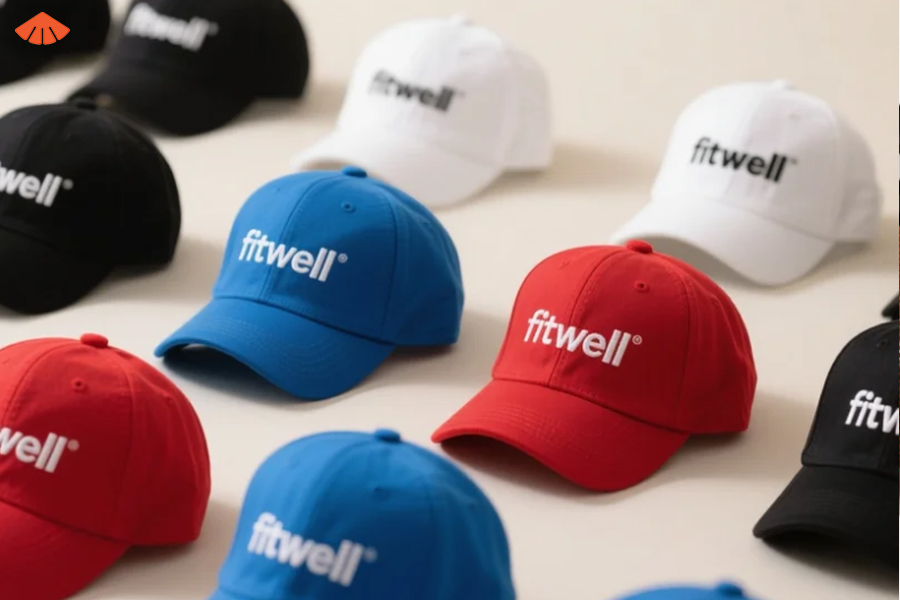
3.2 Red Flags That Signal a Low-Quality Cap Supplier
Some suppliers will promise premium quality at rock-bottom prices — but they cut corners that lead to shape defects.
Warning signs of a bad supplier:
Prices 30% below average market rate for hard-front caps
No physical sample requirement before bulk production
Refusal to share factory photos or inspection reports
Vague answers about material specifications
No return policy for defective merchandise
Acustom 3D puff embroidery structured cotton baseball caps suppliershould have a portfolio of past 3D embroidery work, with close-up photos showing clean edges and no panel distortion.
A brand identity design agency working on client merchandise projects should always order 5-10 sample caps first, even for small bulk orders. This catches shape and embroidery issues before full production.
4. Step-by-Step Quality Control Process for Bulk Cap Orders
Even with a great supplier, you need a clear QC process to catch defects before shipment.
4.1 Pre-Production Checks That Prevent 90% of Shape Issues
Most bulk order failures can be stopped at the pre-production stage, with the right checks.
Pre-production quality checklist:
Approve physical sample (not just digital mockup)
Verify buckram weight and stabilizer type
Check panel alignment and brim centering
Test embroidery tension and placement
Confirm size accuracy for
54-58cmrange
Wash test sample to check for shrinkage
Personalized baseball caps embroidered with complex logos need extra pre-production testing, because fine details can pull the fabric more than simple text designs.
A headwear embroidery service provider can also help review pre-production samples, to catch embroidery tension issues that might lead to crown denting.
We recommend ordering 3 pre-production samples from different production batches, to make sure quality is consistent.
4.2 In-Production and Final Inspection Steps
Once production starts, you need checkpoints to catch issues early, before thousands of caps are made.
Key inspection stages:
First 10 pieces off the production line
Mid-production random inspection (10% of order)
Final pre-shipment inspection (AQL 2.5 standard)
For custom 6 panel hat embroidered styles, pay special attention to the area around the logo — this is where denting and pulling first appears.
Custom hats with logo embroideredon both front and side panels need extra alignment checks, because multiple embroidery points can pull the crown out of shape.
For final inspection, measure brim alignment with a caliper, and test crown firmness by pressing gently — a good hard-front cap will spring back immediately without leaving a dent.
By following this process, you can reduce your bulk cap defect rate from the industry average of 8-12% down to less than 2%.
Interested in custom cap solutions? Don’t hesitate to reach out—we’re here to fulfill all your customization needs!
Follow & Message Us:
Facebook:https://www.facebook.com/fitwell.li
Instagram: www.instagram.com/fitwellcustomhats.dds/
LinkedIn:http://www.linkedin.com/in/fitwellcustom-hats-38a2b9b0/
Pinterest: http://www.pinterest.com/FitwellCustomHatsdds/
YouTube: http://www.youtube.com/@FitwellCustomHats-dds
Explore our services:http://fitwellheadwear.en.alibaba.com
WhatsApp us now: https://psce.pw/86jwa3