

5 Factory Cost-Cutting Secrets You Never Hear About
If you’re sourcingcustom 5panel high quality foam trucker hat flat embroideryfor your brand, you’ve likely encountered quotes that vary wildly for what sounds like the same product. Many buyers end up overpaying for low-quality goods, because factories rarely disclose the small cost-cutting choices that destroy product value.
Whether you’re a social media apparel seller testing new designs, a private label hat e-commerce seller scaling inventory, or a streetwear marketing agency sourcing merch for clients, these hidden shortcuts can tank your brand reputation and waste your budget.
This guide breaks down the 5 most common factory cost-cutting details, plus how to spot them and negotiate for the quality you actually pay for.
1. Foam Material Shortcuts That Make Hats Fall Apart in 3 Months
The foam front panel is the defining feature of anycustom embroidered foam hats,but it’s also the first place factories cut corners to lower costs. Cheap foam doesn’t just feel flimsy—it warps, discolors, and peels away from the fabric after a few wears, leaving you with unsellable inventory.
1.1 Low-Density Foam vs. Premium Foam: What’s the Real Difference?
Most factories offer “standard foam” as the default option, but this is almost always low-density foam with a weight of 180GSM or less. Premium foam used in apremium 5 panel trucker hatweighs 220GSM or higher, with a closed-cell structure that resists moisture and holds its shape for years.
Key differences to look for:
Low-density foam: Compresses easily with a finger press, feels thin, and has a matte, uneven surface
Premium foam: Springs back immediately when pressed, has a smooth, uniform texture, and maintains its structured shape
Longevity gap: Low-density foam typically lasts 2-3 months with regular wear, while premium foam lasts 12+ months
For buyers looking forcustom flat embroidered 5 panel mesh caps low moq, it’s especially important to verify foam quality. Small batch orders are often hit hardest by material shortcuts, since factories assume small buyers don’t have the leverage to demand better materials.
1.2 How Factories Hide Foam Quality Issues in Sample Orders
Factories know you’ll judge quality based on pre-production samples, so they often use premium foam for samples but switch to cheaper foam for bulk orders. This bait-and-switch is hard to catch if you don’t know what to look for.
Common sample tricks include:
Sending a sample made with 240GSM foam, but producing bulk orders with 180GSM foam
Using a thin layer of premium foam glued to a low-density foam core to mimic the feel of high-quality material
Dyeing low-density foam a darker color to hide its porous, uneven texture
To avoid this scam, always include a foam density specification in your purchase contract, and request a foam swatch that you can keep and compare to bulk orders. For custom trucker hats small business owners, this simple step can save you from thousands of dollars in wasted inventory.
2. Flat Embroidery Shortcuts That Ruin Your Brand Logo
Your logo is the whole point of orderingcustom 5panel high quality foam trucker hat flat embroidery, but many factories cut corners on embroidery quality to save money. Bad embroidery doesn’t just look unprofessional—it can also fray, fade, or peel off after a few washes.
2.1 Low Stitch Count: The #1 Embroidery Cost-Cutting Trick
The number of stitches in your embroidery directly impacts its look and durability, but most factories don’t disclose stitch count in their quotes. A high-quality logo forhigh density flat embroidered foam trucker capsuses at least 4,000 stitches for a 3-inch wide design, while a cheap version might use only 2,000 stitches.
Signs of low stitch count embroidery:
Thin, sparse threads that show the foam underneath
Blurry logo edges and lost fine details
Loose threads that fray after 1-2 washes
A flat, lifeless appearance instead of a raised, textured look
For a3d flat embroidery trucker hat,stitch count is even more critical. 3D embroidery requires extra stitches to create the raised effect, and cutting corners here results in a flat, misshapen logo that doesn’t stand out.
Always ask for a stitch count quote before placing an order, and specify that you want custom logo&color with a minimum of 4,000 stitches for standard logos and 6,000+ stitches for 3D designs.
2.2 Cheap Thread and Poor Digitizing That Fades Fast
Even if the stitch count is high, cheap embroidery thread can fade, bleed, or break easily. Most premium hats use polyester embroidery thread with a UV-resistant coating, but cost-cutting factories use low-quality cotton or blended thread that fades after just a few weeks in the sun.
Poor digitizing is another hidden issue. Digitizing is the process of converting your logo into a stitch file for the embroidery machine, and bad digitizing leads to misaligned stitches, thread breaks, and distorted logos.
To ensure embroidery quality:
Request a thread sample card to verify thread quality and color matching
Ask for a digital stitch preview before production starts
Specify UV-resistant polyester thread in your order requirements
Test a sample hat by washing it 3 times and leaving it in direct sun for 7 days to check for fading
A streetwear marketing agency we worked with once lost a $50,000 client because their factory used cheap thread that faded after a single music festival. Don’t let the same mistake ruin your brand reputation.
3. Hat Structure Shortcuts That Make Hats Look Cheap
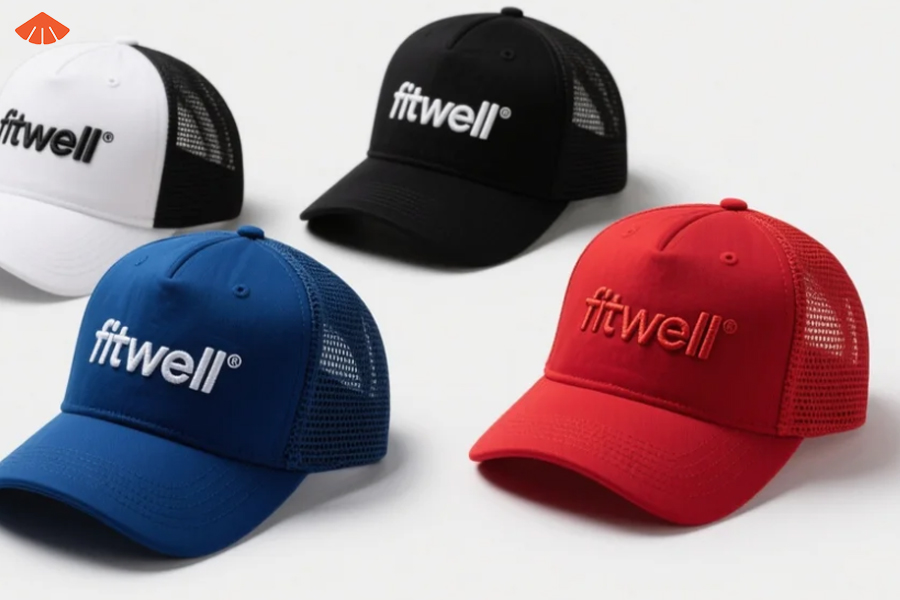
A custom 5 panel flat embroidery foam baseball trucker capmight look the same in photos, but structural shortcuts make cheap hats feel flimsy and fit poorly. These small details have a huge impact on perceived value, and they’re almost impossible to fix after production.
3.1 Weak Front Panel Support That Loses Its Shape
The structured front panel is what gives a 5 panel trucker hat its iconic look, but many factories cut corners on the internal support that holds the panel upright. Cheap hats use a thin, flimsy plastic insert that warps after a few wears, while premium hats use a rigid, heat-bonded interfacing that maintains its shape for years.
Signs of poor front panel support:
The front panel creases or folds easily when squeezed
The hat loses its shape after being packed in a bag for a few days
The embroidery looks warped because the panel underneath is uneven
The hat sits floppy on the head instead of holding a structured shape
For anembroidered 5 panel foam hat, the front panel support is especially important because the foam adds extra weight to the front of the hat. Weak support will cause the panel to sag, making even high-quality embroidery look cheap.
3.2 Poorly Sized Crown and Cheap Mesh Backing
Trucker hats are supposed to fit comfortably and look proportional, but cost-cutting factories often use generic crown molds that don’t fit most head sizes. A well-made trucker hat should fit head sizes54-58cm, with an adjustable snapback that accommodates smaller and larger sizes.
Cheap mesh backing is another common shortcut. Premium hats use soft, breathable polyester mesh that doesn’t irritate the skin, while cheap hats use stiff, scratchy nylon mesh that breaks easily and feels uncomfortable to wear for long periods.
What to check for:
Crown height: Premium hats have a 3.5-4 inch crown height that fits most face shapes
Mesh quality: Soft, flexible mesh with evenly spaced holes that don’t stretch out of shape
Snapback quality: Sturdy plastic snapback with multiple adjustment points that don’t break easily
Stitching on the mesh: Reinforced stitching along the mesh edge to prevent tearing
For private label hat e-commerce seller teams, fit and comfort are the top drivers of repeat customers. A hat that fits well and feels comfortable will get 5-star reviews and word-of-mouth referrals, while a poorly fitting hat will lead to returns and negative reviews.
4. Quality Control Shortcuts That Leave You With Defective Inventory
Even if the materials and construction are good, poor quality control can leave you with a batch of hats with obvious defects. Factories that cut corners on QC skip critical inspection steps, passing the cost of defective products on to you.
4.1 Skipped Inspection Steps That Let Defects Slip Through
Premium factories have a 3-step quality control process: in-process inspection during production, final inspection before packaging, and random sampling after packaging. Cost-cutting factories skip one or more of these steps, resulting in defect rates as high as 15-20%.
Common defects that slip through poor QC:
Misaligned embroidery that’s off-center or crooked
Loose threads and unfinished stitching
Stained or discolored foam panels
Broken snapbacks or damaged mesh
Wrong size or color hats mixed into the batch
For buyers sourcing custom trucker hats small business owners, a 15% defect rate can eat up your entire profit margin. You’ll either have to sell defective hats at a discount, throw them away, or deal with angry customers returning bad products.
Always ask factories about their QC process before placing an order, and specify that you want a third-party inspection for orders over 500 units. For smaller orders, request photos of the final batch before shipping.
4.2 Hidden Packaging Shortcuts That Damage Hats in Transit
You might not think about packaging when ordering hats, but cheap packaging can damage your entire order during shipping. Cost-cutting factories use thin plastic bags and flimsy cardboard boxes that don’t protect hats from being crushed or bent in transit.
Premium packaging forcustom 5panel high quality foam trucker hat flat embroideryincludes:
Individual poly bags to protect each hat from dust and moisture
Cardboard hat inserts to maintain the hat’s shape during shipping
Sturdy corrugated boxes with extra padding for bulk orders
Fragile labels to ensure careful handling by shipping carriers
A social media apparel seller we know once received a shipment of 200 hats that were all crushed because the factory used thin plastic bags and a flimsy box. They had to spend 20 hours reshaping the hats with a steamer, and 30 hats were too damaged to sell.
Final Thoughts: How to Get the Quality You Pay For
Sourcingcustom 5panel high quality foam trucker hat flat embroiderydoesn’t have to be a gamble. By knowing the 5 factory cost-cutting secrets we’ve covered, you can ask the right questions, set clear quality standards, and avoid wasting money on low-quality hats that damage your brand.
Remember: the cheapest quote is almost never the best value. A hat that costs $2 more per unit but lasts 3 times longer and gets better customer reviews will actually save you money in the long run.
Whether you’re orderingcustom flat embroidered 5 panel mesh caps low moqfor a small launch,high density flat embroidered foam trucker capsfor a streetwear drop, or a custom 5 panel flat embroidery foam baseball trucker capfor your brand’s signature product, taking the time to verify quality will pay off in happier customers and higher profits.
Start by asking your factory for foam density specs, stitch count details, and QC process information. If they can’t give you clear, specific answers, it’s probably a sign that they’re cutting corners and you should look for a different supplier.
Interested in custom cap solutions? Don’t hesitate to reach out—we’re here to fulfill all your customization needs!
Follow & Message Us:
Facebook:https://www.facebook.com/fitwell.li
Instagram: www.instagram.com/fitwellcustomhats.dds/
LinkedIn:http://www.linkedin.com/in/fitwellcustom-hats-38a2b9b0/
Pinterest: http://www.pinterest.com/FitwellCustomHatsdds/
YouTube: http://www.youtube.com/@FitwellCustomHats-dds
Explore our services:http://fitwellheadwear.en.alibaba.com
WhatsApp us now: https://psce.pw/86jwa3