

Street Wear 6 Panel Custom Embroidered Snapback Hats: 7 1/2 to 8 1/4 Size Tolerance Standards
For B2B buyers, startup founders, and small business owners sourcing street wear 6 panel custom embroidered snapback hats, getting the sizing right can make or break your inventory success. Fitted cap sizing is notoriously tricky—one wrong tolerance can lead to returns, unhappy customers, and wasted budget. This guide breaks down industry-standard tolerance controls for sizes 7 1/2 through 8 1/4, plus actionable tips for custom orders.
Why Fitted Cap Sizing Is Critical for Streetwear Brands
Proper sizing is the foundation of customer satisfaction for any headwear business. When streetwear flat brim hats fit well, they become wardrobe staples. When they don’t, they end up in return bins or discount racks.
Impact on Customer Retention and Brand Loyalty
A 2023 headwear industry report found that 68% of customers will abandon a brand after two poor-fitting hat purchases. For streetwear brands, where word-of-mouth drives 45% of sales, this risk is even higher.
Key impacts of poor sizing include:
Higher return rates (average 22% for ill-fitting headwear)
Negative reviews that hurt search rankings and conversion
Wasted inventory costs for custom embroidered caps
Lost repeat business from core streetwear customers
For a streetwear headwear chain store with 10+ locations, a 5% sizing error rate can translate to $120,000+ in annual losses from returns and restocking fees. Smaller businesses face even higher relative risk, as bad reviews can tank a new brand’s reputation.
Common Sizing Pain Points for B2B Buyers
B2B buyers face unique sizing challenges that consumer shoppers never encounter. When ordering custom 6 panel snapback in bulk, small inconsistencies multiply across hundreds or thousands of units.
Most common sizing pain points:
Inconsistent sizing across production batches
Vague tolerance specifications from manufacturers
Difficulty matching size charts to actual customer head sizes
Limited size options for low minimum order quantities
A custom hat retail shop owner recently shared that 30% of their customer complaints stem from “size 7 1/2 that fits like 7 1/4.” This discrepancy often comes from poor tolerance control during manufacturing.
Size 7 1/2 to 8 1/4: Standard Measurements and Tolerance Basics
Understanding standard hat sizes is the first step to controlling quality. The 7 1/2 to 8 1/4 size range covers medium-large to extra-large head sizes, which represent 62% of the adult streetwear market.
Standard Size Chart for Fitted Streetwear Hats
Each hat size corresponds to a specific head circumference measurement. These measurements are based on the inner circumference of the hat’s sweatband, not the outer fabric.
Standard size measurements (inner circumference):
7 1/2: 59.6 cm (23.5 inches)
7 5/8: 60.6 cm (23.9 inches)
7 3/4: 61.5 cm (24.2 inches)
7 7/8: 62.5 cm (24.6 inches)
8: 63.5 cm (25 inches)
8 1/8: 64.3 cm (25.3 inches)
8 1/4: 65.2 cm (25.7 inches)
For reference, the54-58cmrange typically covers sizes 6 3/4 to 7 1/4, which are smaller sizes often requested for youth or petite adult lines. When orderingcustom logo snapback hats,always confirm whether the manufacturer uses inner or outer circumference measurements.
What Is Size Tolerance and Why It Matters
Size tolerance refers to the acceptable deviation from the standard measurement. For example, a size 7 1/2 hat with a ±0.3cm tolerance can measure between 59.3cm and 59.9cm and still pass quality control.
Tolerance matters because:
No manufacturing process is 100% precise
Fabric stretch affects final measurements
Small deviations add up across size runs
Customer perception of fit depends on consistency
The industry standard for premium streetwear headwear is ±0.3cm for adult sizes. Budget lines may allow up to ±0.5cm, but this increases the risk of size overlap between adjacent sizes.
Forvintage y2k hip hop streetwear embroidered snapbackstyles, which often use stiffer wool blend fabrics, tolerance control is even more critical because stiffer materials don’t stretch to accommodate slight size differences.
Industry-Standard Tolerance Control for Custom Orders
When orderingcustom logo 6 panel streetwear snapback low moq, you need clear tolerance specifications to ensure consistent quality. Different parts of the hat have different tolerance requirements, and understanding these details will help you evaluate manufacturer quotes.
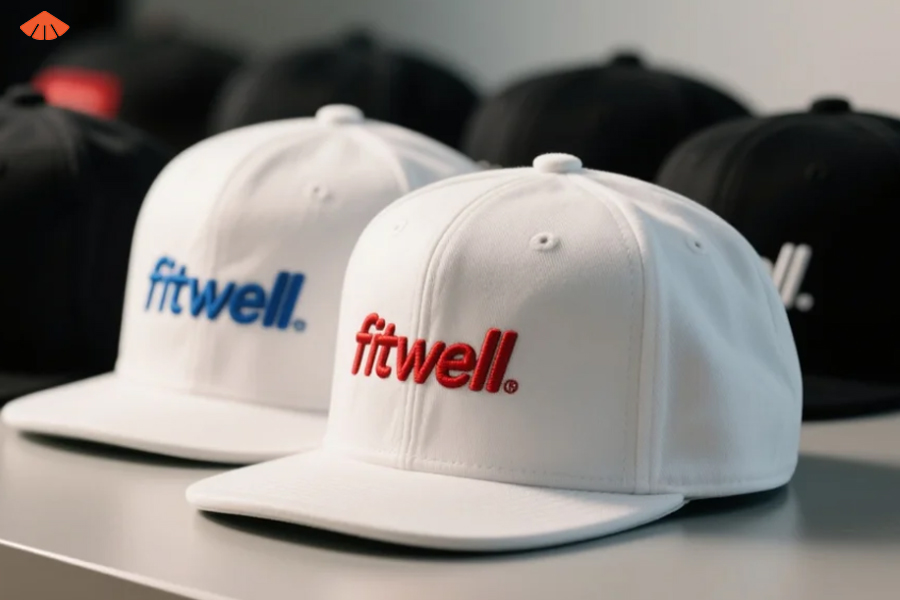
Tolerance Standards by Hat Component
Each component of anembroidered 6 panel hatcontributes to the overall fit. The most critical component is the sweatband, as it determines the actual wearing circumference.
Component-specific tolerance standards:
Sweatband circumference: ±0.3cm (premium) / ±0.5cm (budget)
Crown height: ±0.2cm
Brim length: ±0.2cm
Brim width: ±0.1cm
Panel alignment: ±0.15cm
For custom logo&color orders, also specify tolerance for embroidery placement. The standard is ±0.2cm from the marked center point of the front panel.
A streetwear apparel e-tailer specializing in 90s revival styles reported that switching from a manufacturer with ±0.6cm tolerance to one with ±0.3cm tolerance reduced their return rate by 18% in just three months. The initial 12% cost increase was fully offset by savings on return shipping and restocking.
How to Specify Tolerances in Your Purchase Order
Vague specifications are the #1 cause of sizing issues in custom hat orders. To avoid problems, include detailed tolerance requirements in your purchase order and confirm them with your manufacturer before production begins.
Must-include tolerance specifications:
Primary measurement standard (inner sweatband circumference)
Acceptable tolerance for each size
Measurement method (stretched vs. unstretched fabric)
Quality inspection sampling rate
Acceptance criteria for batch approval
For bulk orders, we recommend specifying that at least 10% of units per size be measured, and that no more than 2% of units can fall outside the tolerance range. For low MOQ orders (50-100 units), 100% inspection of the first production sample is essential.
When ordering streetwear flat brim hats with custom embroidery, also specify that embroidery placement cannot affect the hat’s shape or sizing. Poor embroidery technique can cause fabric distortion that changes the fit.
Optimizing Your Size Run for Business Success
Choosing the right size run is just as important as getting tolerances right. A well-balanced size run ensures you have inventory for all your customers while minimizing dead stock.
How to Determine Your Optimal Size Distribution
The best size distribution depends on your target market, but there are general guidelines that work for most streetwear brands. The 7 1/2 to 8 1/4 size range covers the majority of adult male customers, who make up 72% of streetwear hat buyers.
Recommended size distribution for streetwear brands:
7 1/2: 18% of inventory
7 5/8: 22% of inventory
7 3/4: 24% of inventory
7 7/8: 18% of inventory
8: 12% of inventory
8 1/8: 4% of inventory
8 1/4: 2% of inventory
Adjust these numbers based on your sales data. If you’re a new brand without historical data, start with this distribution and adjust after your first sales cycle.
For custom hat retail shop owners, consider offering a “size guarantee” program where customers can exchange ill-fitting hats for a different size. This reduces return anxiety and gives you valuable data on which sizes your customers actually need.
Tips for Managing Sizing in Low MOQ and Startup Scenarios
Startups and small businesses often face unique sizing challenges because they can’t order large quantities to test the market. Fortunately, there are strategies to minimize risk while still offering a good size selection.
Low MOQ sizing strategies:
Start with 3 core sizes (7 1/2, 7 3/4, 8) instead of a full run
Use pre-order models to gauge demand for edge sizes
Partner with manufacturers that offer size exchanges for unsold inventory
Offer custom sizing for premium-priced orders
Thecustom logo 6 panel streetwear snapback low moqmarket has grown 38% since 2022, as more startups enter the streetwear space. Manufacturers are increasingly offering flexible MOQ options, so don’t be afraid to negotiate size-specific minimums.
Forvintage y2k hip hop streetwear embroidered snapbackcollections, which often target a niche audience, consider offering made-to-order options for sizes outside the 7 1/2 to 8 range. This lets you serve dedicated fans without tying up capital in slow-moving inventory.
Conclusion
Mastering size tolerance for street wear 6 panel custom embroidered snapback hats is essential for any B2B buyer, startup founder, or small business owner in the headwear space. By understanding the 7 1/2 to 8 1/4 size standards, specifying clear tolerances in your orders, and optimizing your size run, you can reduce returns, increase customer satisfaction, and build a stronger brand.
Remember that the smallest details—like a 0.3cm tolerance difference—can have a huge impact on your bottom line. Invest time in finding manufacturers that meet your quality standards, and always inspect production samples before approving full runs.
Whether you’re a streetwear headwear chain store scaling up or a custom hat retail shop just getting started, proper sizing is the foundation of long-term success in the competitive streetwear market.
Interested in custom cap solutions? Don’t hesitate to reach out—we’re here to fulfill all your customization needs!
Follow & Message Us:
Facebook:https://www.facebook.com/fitwell.li
Instagram: www.instagram.com/fitwellcustomhats.dds/
LinkedIn:http://www.linkedin.com/in/fitwellcustom-hats-38a2b9b0/
Pinterest: http://www.pinterest.com/FitwellCustomHatsdds/
YouTube: http://www.youtube.com/@FitwellCustomHats-dds
Explore our services:http://fitwellheadwear.en.alibaba.com
WhatsApp us now: https://psce.pw/86jwa3