

Seamless vs Cut-and-Sew: Which Craft Fits YourCozy Thick Cable Knit Cuffed Faux Fur Pom Pom Beanie HatBrand?
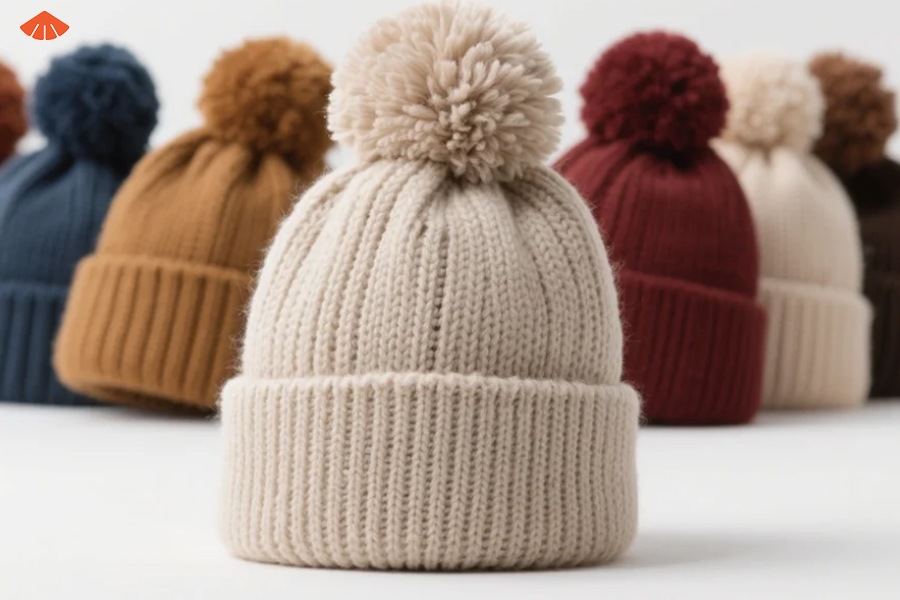
When building a winter headwear line, the cozy thick cable knit cuffed faux fur pom pom beanie hat stands out as a top-selling staple. But choosing between seamless one-piece knitting and cut-and-sew splicing can make or break your brand’s positioning.
This guide breaks down both processes for B2B buyers, startup founders, and small business owners. You’ll learn which craft matches your quality goals, budget, and target audience.
Core Craft Differences: Seamless One-Piece Knitting vs Cut-and-Sew Splicing
How Seamless One-Piece Knitting Works for Beanies
Seamless knitting uses circular knitting machines to create the entire beanie in one continuous tube. There are no side seams, and the crown is shaped by gradual needle reduction during production.
For a cozy thick cable knit cuffed faux fur pom pom beanie hat, this process creates a smooth, uniform texture. The cable pattern flows without interruption across the entire surface.
Key characteristics of seamless beanies include:
No visible side seams for a clean, premium look
Consistent stretch and fit across the entire hat
Faster production for large, uniform orders
Less fabric waste compared to cut-and-sew methods
A headwear wholesale supplier often uses seamless machines for bulk orders. The process is highly efficient for standard sizes like 54-58cm, which fits most adult women.
How Cut-and-Sew Splicing Works for Beanies
Cut-and-sew starts with flat-knit fabric panels. Workers cut the fabric into pre-designed shapes, then stitch the panels together to form the beanie shape.
For a thick cuffed ribbed knit pom pom beanie, cut-and-sew allows for more design flexibility. Brands can mix different knit textures or add contrast panels easily.
Key characteristics of cut-and-sew beanies include:
Unlimited design customization for unique silhouettes
Ability to mix fabrics, colors, and patterns in one hat
Easier to add complex details like embroidered patches
More labor-intensive, leading to higher per-unit costs
A women's fashion boutique often prefers cut-and-sew for exclusive, limited-edition styles. The process supports custom logo&color options that help small brands stand out.
Quality & Performance Comparison for Winter Beanies
Fit, Comfort, and Durability Factors
Seamless beanies offer a more natural, contoured fit. Without side seams, there are no pressure points or scratchy stitching against the skin.
For a women cozy thick cable knit pom pom beanie, seamless construction ensures the hat stretches evenly. It conforms to different head shapes while retaining its shape after repeated wears.
Performance benefits of seamless beanies:
Better heat retention with no gaps from stitching
Longer lifespan with no seam fraying issues
More comfortable for all-day wear
Consistent sizing across production runs
Cut-and-sew beanies can have slight fit variations depending on stitching quality. However, premium manufacturers use flatlock seams to minimize bulk and irritation.
Warmth, Texture, and Visual Appeal
A warm pom pom hat relies on dense fabric and proper construction to trap heat. Seamless knitting creates a tighter, more uniform fabric structure that blocks wind effectively.
For a fluffy cuffed beanie, cut-and-sew allows brands to attach thicker, more voluminous faux fur pom poms. The crown construction can support heavier embellishments without distortion.
Visual appeal differences between the two crafts:
Seamless: Sleek, minimalist look with continuous cable patterns
Cut-and-sew: More structured shape with visible design lines
Seamless: Softer, more flexible drape on the head
Cut-and-sew: Crisper details for bold, statement designs
An outdoor gear retail shop often favors seamless beanies for performance. The seamless design holds up better in harsh winter conditions and active use.
Cost, MOQ, and Production Lead Time Analysis
Production Cost Breakdown for Each Craft
Seamless knitting has lower labor costs because the process is mostly automated. Machine setup time is the main initial investment for a faux fur pom beanie line.
For bulk orders from a headwear wholesale supplier, seamless beanies typically cost 15-25% less per unit. The savings come from reduced labor and minimal fabric waste.
Cost factors for seamless production:
Lower per-unit labor cost
Higher initial machine setup fee
Less fabric waste (5-10% vs 15-20% for cut-and-sew)
Lower quality control costs for uniform products
Cut-and-sew has higher labor costs due to manual cutting and stitching. However, it has lower setup costs for small batch orders, making it popular with startups.
MOQ Requirements and Lead Time Differences
Seamless knitting usually has higher minimum order quantities (MOQs). Most suppliers require 500-1000 pieces per color for a cable knit pom hat style.
Lead times for seamless production are typically 20-30 days for bulk orders. The automated process can produce large quantities quickly once setup is complete.
MOQ and lead time comparison:
Seamless: MOQ 500+ pieces, lead time 20-30 days
Cut-and-sew: MOQ 50-100 pieces, lead time 15-25 days
Seamless: Faster reorders with existing machine settings
Cut-and-sew: More flexible for quick, small batch restocks
A women's fashion boutique with limited inventory often chooses cut-and-sew. The lower MOQ allows testing new styles without high upfront risk.
Brand Positioning Match: Choosing the Right Craft for Your Business
Best Craft for Different Business Types
For an outdoor gear retail shop focused on performance, seamless construction is the better choice. The durable, wind-resistant design aligns with functional outdoor brand values.
A thick fuzzy winter hat sold at outdoor retailers needs to perform in cold, windy conditions. Seamless knitting provides better insulation and long-lasting shape retention.
Ideal craft matches by business type:
Outdoor gear shops: Seamless for durability and performance
Fashion boutiques: Cut-and-sew for unique designs and customization
Wholesale suppliers: Seamless for cost-effective bulk production
Startup brands: Cut-and-sew for low MOQs and design flexibility
For a women cozy thick cable knit pom pom beanie line targeting fashion customers, cut-and-sew offers more style options. Brands can add unique details like contrast cuffs or mixed knit patterns.
How to Align Craft Choice With Your Brand Identity
If your brand focuses on affordability and accessibility, seamless production helps keep prices competitive. The lower per-unit cost allows for better profit margins at mid-range price points.
For luxury or premium positioning, cut-and-sew adds perceived value. The detailed construction and unique designs justify higher price tags for a faux fur knit hat.
Steps to align craft with your brand:
Define your core brand value (performance, fashion, affordability, luxury)
Identify your target customer’s top priorities (warmth, style, price, exclusivity)
Calculate your budget and expected order volume
Test both styles with a small sample order before committing
Brands offering custom logo&color options often use cut-and-sew. The process makes it easier to add custom embroidery, patches, or unique color combinations.
When sizing is a key consideration, both crafts can produce 54-58cm standard sizes. Seamless production offers more consistent sizing across large orders, while cut-and-sew can accommodate custom size requests more easily.
For startup founders testing the market, starting with cut-and-sew small batches is a low-risk strategy. As demand grows, you can transition to seamless production for best-selling styles.
Freelancers and consultants advising apparel brands should recommend both options. Having a mixed product line allows brands to cater to different customer segments and price points.
Interested in custom cap solutions? Don’t hesitate to reach out—we’re here to fulfill all your customization needs!
Follow & Message Us:
Facebook:https://www.facebook.com/fitwell.li
Instagram: www.instagram.com/fitwellcustomhats.dds/
LinkedIn:http://www.linkedin.com/in/fitwellcustom-hats-38a2b9b0/
Pinterest: http://www.pinterest.com/FitwellCustomHatsdds/
YouTube: http://www.youtube.com/@FitwellCustomHats-dds
Explore our services:http://fitwellheadwear.en.alibaba.com
WhatsApp us now: https://psce.pw/86jwa3