

Why YourCozy Thick Cable Knit Cuffed Faux Fur Pom Pom Beanie HatPills Easily? Yarn Sourcing Guide for B2B Buyers
If you’ve ever received a bulk order ofcozy thick cable knit cuffed faux fur pom pom beanie hatpieces that start pilling after just a few wears, you know how costly quality issues can be. For B2B buyers, startup founders, and small business owners, pilling doesn’t just hurt customer satisfaction—it erodes brand reputation and cuts into repeat sales.
In this guide, we’ll break down the root causes of pilling in knit beanies, compare the most common yarn types, and share actionable sourcing tips to help you avoid costly mistakes. Whether you work with a headwear wholesale supplier or stock products for an outdoor gear retail shop, these insights will help you deliver high-quality products that keep customers coming back.
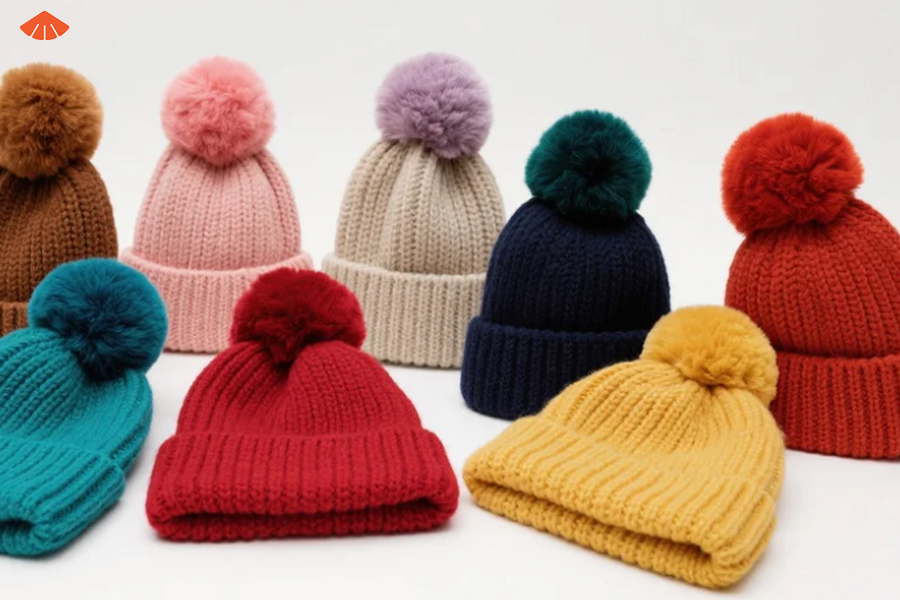
1. Root Causes of Pilling in Bulk Knit Beanie Orders
Pilling is one of the most common complaints about warm pom pom hat products, yet many buyers don’t understand why it happens. It’s not just a sign of “cheap” yarn—it’s a result of multiple factors related to fiber type, manufacturing process, and even wear conditions.
For B2B buyers, identifying these root causes early can help you ask the right questions during sourcing and avoid receiving defective bulk orders.
1.1 Fiber Structure & Friction-Related Pilling
All yarns shed loose fibers over time, but some fiber types are far more prone to pilling than others. When loose fibers work their way to the surface of the fabric, they tangle together into small balls (pills) from repeated friction.
Short-staple fibers are especially likely to pill because they have more ends that can work loose from the yarn structure. Longer, smoother fibers stay anchored more securely and resist pilling better.
Common friction points that speed up pilling include:
Rubbing against coat collars or backpack straps
Repeated contact with hair or scarves
Machine washing with harsh detergents
Abrasion from rough surfaces during daily wear
1.2 Manufacturing Defects That Worsen Pilling
Even with high-quality yarn, poor manufacturing practices can make your fluffy cuffed beanie order pill much faster than expected. Many factories cut corners to reduce costs, and these shortcuts show up quickly in product performance.
Twist tension is one of the most overlooked factors. Yarn with too little twist holds fibers loosely, allowing them to escape and form pills easily. Yarn with too much twist, on the other hand, can feel stiff and uncomfortable.
Common manufacturing issues that cause pilling:
Inconsistent yarn twist across production batches
Skipping the singeing process to remove surface fibers
Using low-quality yarn blends with high percentages of short fibers
Inadequate finishing treatments that don’t stabilize the fabric
For buyers ordering custom logo&color beanies, it’s especially important to verify manufacturing standards, as custom orders often have stricter quality requirements.
2. Acrylic vs. Cotton Blend vs. Wool: Which Yarn Resists Pilling Best?
The type of yarn you choose is the single biggest factor in how well yourcable knit pom hatresists pilling. Acrylic, cotton blends, and wool are the three most common materials for winter beanies, but they have very different performance characteristics.
Understanding the pros and cons of each yarn type will help you select the right option for your target market and price point.
2.1 Acrylic Yarn: Affordable But High Pilling Risk
Acrylic is the most popular yarn for budget-friendlyfaux fur knit hatproducts, and for good reason—it’s cheap, lightweight, and easy to care for. However, it’s also the most prone to pilling, especially low-quality acrylic.
Acrylic is a synthetic fiber made from polyacrylonitrile. Low-grade acrylic has short, rough fibers that work loose quickly and form hard, noticeable pills. Higher-quality acrylic, sometimes called “anti-pilling acrylic,” undergoes special treatments to reduce pilling, but it still can’t match the performance of natural fibers.
Pros of acrylic yarn:
Low cost, ideal for budget product lines
Resists fading and mildew
Lightweight and quick-drying
Easy to dye in bright, consistent colors
Cons of acrylic yarn:
High pilling risk with low-grade varieties
Less breathable than natural fibers
Can feel scratchy against sensitive skin
Less sustainable than natural or recycled options
If you’re sourcing for a women's fashion boutique that targets price-sensitive shoppers, look for suppliers that use high-twist, anti-pilling acrylic to reduce customer complaints.
2.2 Cotton Blends & Wool: Mid-Range to Premium Pilling Resistance
For buyers looking for better quality, cotton blends and wool offer significantly better pilling resistance, along with improved comfort and durability. Each material has its own strengths, depending on your product goals.
Cotton blends typically combine cotton with a small percentage of synthetic fiber (usually 10-30% polyester or acrylic) to add stretch and durability. Pure cotton pills very little, but it’s not as warm or stretchy as blends, making it less ideal for winter hats.
Wool, especially merino wool, is one of the best materials for pill-resistant thick fuzzy winter hat products. Wool fibers have a scaly outer layer that helps them lock together, reducing loose fiber shedding. High-quality wool can last for years with minimal pilling.
Key differences between cotton blends and wool:
Cotton blends: More affordable than wool, breathable, easy to care for, moderate pilling resistance
Merino wool: Premium price, excellent warmth-to-weight ratio, natural odor resistance, very low pilling risk
Wool blends: Mix of wool and synthetic fibers, balanced performance, mid-range price, good pilling resistance
Recycled wool: Sustainable option, variable quality depending on processing, lower pilling than acrylic
For athick cuffed ribbed knit pom pom beaniedesigned for cold weather, a 70% wool / 30% acrylic blend often offers the best balance of comfort, durability, and affordability.
3. Yarn Sourcing Pitfalls to Avoid for B2B Beanie Buyers
Even experienced buyers fall for common yarn sourcing traps that lead to pilling issues in bulk orders. The problem is that many suppliers cut corners on yarn quality while making their products look identical to higher-quality options.
Learning to identify these pitfalls will help you vet suppliers more effectively and avoid costly quality returns.
3.1 Common Yarn Quality Scams in Wholesale Sourcing
One of the most common scams is when suppliers advertise a higher-quality yarn than they actually use. For example, a supplier might claim a beanie is “merino wool blend” when it’s actually 90% acrylic with only 10% low-grade wool.
Another common issue is “batch inconsistency,” where the sample order uses high-quality yarn, but the bulk order uses cheaper, lower-grade yarn. This is especially common with orders that include custom logo&color options, where suppliers may cut costs on materials to offset custom production expenses.
Red flags that indicate potential yarn quality issues:
Prices that are 20-30% below the market average for similar products
Suppliers that refuse to provide yarn composition test reports
Vague product descriptions that don’t specify exact fiber percentages
Samples that feel significantly different from production photos
For buyers working with a headwear wholesale supplier, always request a third-party yarn test report before placing a large order. This small investment can save you thousands in returns and reputational damage.
3.2 How to Verify Yarn Quality Before Placing Bulk Orders
Verifying yarn quality doesn’t have to be complicated—you just need to know what tests and checks to perform. Even if you’re not a textile expert, these simple steps will help you identify low-quality yarn before it becomes a problem.
First, always order physical samples and perform a “pilling test” at home. Rub the fabric vigorously with a piece of rough fabric (like denim) for 30 seconds. If lots of pills form immediately, the yarn is low quality and will pill heavily with regular wear.
Steps to verify yarn quality before ordering:
Request detailed yarn composition specifications with exact fiber percentages
Perform a manual pilling test on sample products
Check for consistent yarn thickness and twist throughout the sample
Ask for AATCC pilling test reports (look for a rating of 4 or 5 out of 5)
Verify size consistency (standard adult size is
54-58cmfor most beanies)
Test washability by laundering the sample 3-5 times to check for pilling and shrinkage
If you’re sourcingwomen cozy thick cable knit pom pom beanieproducts for a fashion boutique, also pay attention to how the yarn feels against skin. Scratchy yarn will lead to returns even if it doesn’t pill.
4. Actionable Tips for Selecting Durable, Low-Pilling Beanies
Now that you understand the causes of pilling and how to spot quality issues, it’s time to put that knowledge into practice. These actionable tips will help you source beanies that look great, last long, and keep your customers happy.
Whether you’re stocking an outdoor gear retail shop, running a women's fashion boutique, or building your own DTC brand, these strategies will help you stand out from competitors who sell low-quality, easily pilled hats.
4.1 Key Product Specifications to Require from Suppliers
The best way to avoid pilling issues is to set clear quality standards upfront with your suppliers. Don’t leave yarn quality open to interpretation—include specific requirements in your purchase contract.
Start with yarn composition: specify exact fiber percentages and require anti-pilling treatment for any synthetic fibers. For acrylic beanies, require “anti-pilling acrylic” with a minimum twist count, and ask for a pilling test rating of at least 3.5 out of 5.
Must-have specifications for low-pilling beanies:
Yarn composition with exact fiber percentages (no vague “blend” labels)
Minimum pilling test rating (4/5 recommended for premium products)
Singed yarn finish to remove loose surface fibers
Consistent yarn twist tension across the entire product
Standard size range of
54-58cmwith adequate stretch
Custom logo&color options that don’t compromise yarn quality
For awomen cozy thick cable knit pom pom beanieline, also consider specifying “soft-handle” yarn treatment to improve comfort, which is a top priority for female shoppers.
4.2 Matching Yarn Type to Your Target Customer & Business Model
The “best” yarn type depends entirely on who your customers are and what your business model is. A product that works for a discount outdoor gear retail shop might be a bad fit for a high-end women's fashion boutique.
For budget-focused businesses (discount retailers, promotional product companies), high-quality anti-pilling acrylic is the best choice. It’s affordable, easy to care for, and with proper treatment, it can resist pilling better than cheap cotton blends.
Recommended yarn types by business type:
Outdoor gear retail shop: Wool blends (70% wool / 30% acrylic) for durability and warmth
Women's fashion boutique: Merino wool or high-end cotton blends for softness and style
Headwear wholesale supplier: Multiple options (acrylic, blend, wool) to serve different client needs
Startup DTC brands: Mid-range wool blends for balanced quality and price point
Custom product businesses: Anti-pilling acrylic for affordable custom logo&color options
No matter which yarn type you choose, always order a small test batch first (50-100 pieces) to verify quality before placing a large bulk order. This is especially important for new suppliers or new product lines likethick cuffed ribbed knit pom pom beaniestyles.
Conclusion
Pilling doesn’t have to be an inevitable problem with yourcozy thick cable knit cuffed faux fur pom pom beanie hatorders. By understanding the root causes of pilling, comparing yarn types carefully, and vetting suppliers thoroughly, you can source high-quality beanies that keep your customers happy and your brand reputation strong.
Remember: the cheapest option almost always costs more in the long run due to returns, negative reviews, and lost customers. Investing a little more in better yarn and stricter quality control will pay off through higher customer satisfaction, repeat business, and stronger word-of-mouth referrals.
Whether you’re a seasoned B2B buyer or a startup founder placing your first order, use this guide as a checklist to make sure your next beanie order meets your quality standards. With the right sourcing strategy, you can build a profitable, sustainable business selling warm, durable, stylish beanies that customers love.
Interested in custom cap solutions? Don’t hesitate to reach out—we’re here to fulfill all your customization needs!
Follow & Message Us:
Facebook:https://www.facebook.com/fitwell.li
Instagram: www.instagram.com/fitwellcustomhats.dds/
LinkedIn:http://www.linkedin.com/in/fitwellcustom-hats-38a2b9b0/
Pinterest: http://www.pinterest.com/FitwellCustomHatsdds/
YouTube: http://www.youtube.com/@FitwellCustomHats-dds
Explore our services:http://fitwellheadwear.en.alibaba.com
WhatsApp us now: https://psce.pw/86jwa3