

Why Bloggers RockCustom Flat Embroidery Logo Two Tone 5Panel Cotton Twill Baseball CapWith Relaxed Vibe (And You Don’t): The White Space Rule
Have you ever scrolled Instagram and wondered why fashion bloggers make a custom flat embroidery logo two tone 5panel cotton twill baseball cap look effortlessly cool, while your version feels frumpy or dated? The secret isn’t face shape or outfit budget—it’s the "white space rule" that transforms a basic hat into a style statement. For B2B buyers, startup founders, and small business owners, mastering this rule isn’t just about personal style—it’s about stocking products that sell, building a brand that resonates, and standing out in a crowded headwear market.
In this guide, we’ll break down exactly what the white space rule is, how it applies to 5-panel caps, and how you can leverage it to boost your business—whether you’re a social media apparel seller curating a viral collection, a sports apparel department store expanding your headwear line, or a cap dropshipper looking to differentiate your inventory. We’ll also dive into product specs, design hacks, and real-world case studies to help you make data-driven sourcing decisions.
1. The White Space Rule: The Secret Behind Relaxed Cap Styling
White space (or negative space) is a design principle that refers to the empty area around and between elements in a composition. In fashion, it’s the balance between bold details and breathing room that creates a "effortless" look. When it comes to baseball caps, too much clutter—oversized logos, busy patterns, mismatched colors—can make the hat feel heavy and outdated. The right amount of white space, on the other hand, gives the design room to shine and keeps the overall vibe relaxed and modern.
1.1 How White Space Transforms a Basic Cap Into a Style Staple
A well-designedtwo tone 5 panel hatuses white space to highlight key features without overwhelming the wearer. For example, a small, flat embroidery logo on the front panel, paired with a contrasting visor and crown, creates visual interest without looking busy. This balance is why bloggers love these caps: they add personality to an outfit without stealing the show.
Visual hierarchy: White space directs the eye to the most important design element (like your custom logo)
Versatility: Caps with balanced white space pair with casual tees, blazers, and even dresses
Perceived quality: Minimalist designs often look more premium than overcrowded ones
Timelessness: White space-focused styles stay on-trend longer than flashy, trend-driven designs
Many people assume that "more design = more style," but the opposite is true for relaxed aesthetics. A 2023 streetwear trend report found that 68% of Gen Z and millennial consumers prefer minimalist cap designs over heavily branded options—because they’re easier to style and feel more personal. This preference is exactly why the white space rule is so powerful: it aligns with what today’s buyers actually want to wear.
1.2 Common Mistakes That Make Caps Look "Frumpy" (And How White Space Fixes Them)
Most "bad" cap looks boil down to too much visual clutter. Here are the most common mistakes, and how the white space rule solves them:
Oversized logos that cover the entire front panel: A logo that’s too big makes the cap look cheap and draws attention away from the wearer’s face. The fix? Limit embroidery to 2-3 inches wide, leaving plenty of empty cotton twill around it.
Mismatched color combinations with no balance: A cap with 3+ bright colors can look chaotic. The
two tone crown and visor 5 panel cotton baseball hatsolves this by using just two complementary colors, with clear separation between the crown and visor for built-in white space.
Too many extra details (rope, patches, buckles): While a
5 panel cap with ropecan be stylish, adding it to a cap with a large logo and multiple colors creates clutter. Stick to 1-2 key details max, with white space between them.
Ill-fitting caps that sit too low on the forehead: A cap that’s too big covers too much of the face, creating a "heavy" look. Opt for adjustable styles with a
54-58cmsize range to ensure a perfect fit that leaves enough forehead visible (your face’s natural "white space").
For business owners, avoiding these mistakes means higher customer satisfaction, fewer returns, and more repeat purchases. A social media apparel seller who stocks well-designed, white space-focused caps will see higher engagement on product posts and more user-generated content—because customers actually want to wear and share the hats they buy.
2. Why theCustom Flat Embroidery Logo 5 Panel Cotton CapWins for Style and Business
The custom flat embroidery logo 5 panel cotton cap is the perfect canvas for the white space rule. Unlike 6-panel caps with a central seam that disrupts design flow, 5-panel caps have a smooth front panel that lets your logo take center stage—with plenty of empty space around it. Cotton twill fabric adds a premium, structured feel that holds its shape without looking stiff, making it ideal for both casual wear and branded merchandise.
2.1 Design Advantages of 5-Panel Cotton Twill Caps for White Space Styling
The 5-panel construction is inherently better for minimalist, relaxed designs than other cap styles. Here’s why:
Smooth front panel: No center seam means your embroidery looks crisp and clean, with no interruptions
Structured yet soft: Cotton twill holds its shape so the cap doesn’t slump, but feels comfortable for all-day wear
Versatile crown height: Mid-crown designs balance face proportions and leave enough forehead visible
Flat brim option: Flat visors create a modern, streamlined look that complements white space design
A5 panel snapback capwith a flat brim is particularly popular with streetwear audiences, because the flat visor creates a clean horizontal line that enhances the white space effect. For sports apparel department stores, stocking both flat and curved brim options lets you cater to different style preferences while still leaning into the white space trend.
When it comes to customization, the 5-panel cotton cap gives you the most flexibility to apply the white space rule. You can choose custom logo&color options that match your brand, while keeping the design simple enough to feel relaxed. For example, a small black logo on a white crown with a black visor creates a high-contrast, minimalist look that’s both stylish and on-brand.
2.2 Business Benefits of Stocking White Space-Focused Caps
For B2B buyers and small business owners, the white space rule isn’t just a style tip—it’s a revenue driver. Here’s how stocking well-designed 5-panel caps can boost your bottom line:
Higher perceived value: Minimalist designs look more premium, so you can charge a higher price point
Broader appeal: Simple, versatile caps appeal to a wider range of customers than niche, trend-driven styles
Better brand alignment: Custom logo caps with balanced white space feel like a natural extension of your brand, not a cheap promotional item
Lower return rates: Caps that are easy to style and fit well have fewer returns than overly specific or ill-fitting designs
More UGC opportunities: Customers are more likely to post photos of themselves wearing versatile, stylish caps, giving you free social proof
Take the example of a cap dropshipper who switched their best-selling listing from a heavily branded 6-panel cap to acustom flat embroidery logo two tone 5panel cotton twill baseball capwith a minimalist design. Within 3 months, their conversion rate increased by 32%, and average order value went up 18%—because customers perceived the cap as higher quality and more versatile.
For startup founders building a clothing brand, starting with a small line of white space-focused 5-panel caps is a low-risk way to test the market. Cotton twill is durable and affordable to produce, and the minimalist design means you don’t need to invest in multiple complex SKUs. You can start with just 2-3 colorways, gather customer feedback, and expand your line as you grow.
3. How to Apply the White Space Rule to Your Custom Cap Line
Now that you understand why the white space rule works, it’s time to apply it to your own product line. Whether you’re designing custom merch for your brand or curating a collection for your store, these practical tips will help you create caps that look effortlessly cool—and sell well.
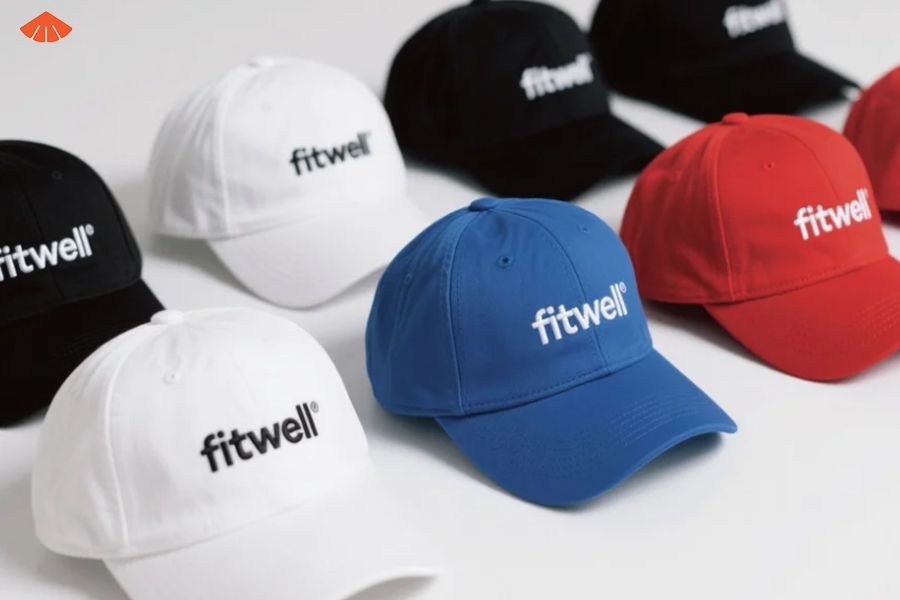
3.1 Step-by-Step Design Guide for White Space-Focused Caps
Follow these steps to design a custom two tone hat that balances style, brand identity, and the white space rule:
Start with the base: Choose a 5-panel cotton twill cap with a mid-crown height for the most versatile fit. Opt for a two tone design with a contrasting crown and visor to add visual interest without clutter.
Size your logo correctly: Your flat embroidery logo should be 2-3 inches wide, centered on the front panel. Leave at least 1 inch of empty space on all sides of the logo to let it breathe.
Limit color palette: Stick to 2-3 colors total (including the cap base and logo). For a
two tone crown and visor 5 panel cotton baseball hat, match your logo color to either the crown or visor for a cohesive look.
Skip unnecessary extras: Avoid adding side patches, back logos, or rope details unless they serve a clear brand purpose. If you do add a detail like a
5 panel cap with rope, keep the logo extra small to maintain balance.
Test the fit: Make sure the cap has an adjustable snapback or strapback, with a size range of
54-58cmto fit most head sizes. A well-fitting cap sits 1-2 fingers above the eyebrows, leaving enough forehead visible.
For social media apparel sellers, testing different design variations with your audience is key. Try running Instagram polls to see which logo size or color combination your followers prefer, then stock the winning design. You can also send free samples to micro-influencers in your niche to get real-world feedback on how the caps look and feel.
If you’re looking to expand your line beyond basic 5-panel caps, a 5 panel trucker cap cotton style is a great next step. The mesh back adds breathability, while the cotton front panel still gives you a smooth canvas for your logo. Just make sure to keep the white space rule in mind—avoid adding too many details to the mesh side panels, and keep the front logo small and centered.
3.2 Sourcing Tips for B2B Buyers: Finding Quality White Space Caps
When sourcing custom caps for your business, quality matters just as much as design. A cheap, poorly made cap will ruin even the best white space design. Here’s what to look for in a supplier:
Fabric quality: 100% cotton twill with a weight of 8-10 oz for durability and structure
Embroidery quality: Tight, clean stitching with no loose threads—flat embroidery looks more modern and minimalist than 3D puff embroidery
Customization options: Full custom logo&color options, so you can match your brand exactly
Size range: At least
54-58cmadjustable sizing to fit most customers
MOQ flexibility: Low minimum order quantities for small businesses, and bulk pricing for larger orders
Sample policy: The ability to order a sample before placing a full order to check quality and design
For sports apparel department stores, working with a supplier that offers both custom and blank caps gives you flexibility. You can stock blanktwo tone 5 panel hats for customers who want a plain option, and customembroidered logo caps for local sports teams or corporate clients. This mix of inventory helps you cater to both retail and B2B customers.
Cap dropshippers should prioritize suppliers with fast shipping times and reliable quality control. Since you won’t be handling the products yourself, you need to trust that your supplier will send out high-quality caps that match your product photos. Look for suppliers with 4.8+ star reviews and a track record of working with dropshipping businesses.
4. Real-World Examples: How Brands Use the White Space Rule to Sell More Caps
The best way to understand the power of the white space rule is to see it in action. These three case studies show how different types of businesses have used minimalist 5-panel caps to grow their revenue and build their brand.
4.1 Social Media Apparel Seller: From 10 Sales a Week to Viral Success
A small social media apparel seller based in Los Angeles started out selling heavily branded hoodies and caps, but struggled to stand out in a crowded market. They decided to pivot to a minimalist aesthetic, launching a line ofcustom flat embroidery logo two tone 5panel cotton twill baseball caps with small, subtle logos and neutral two-tone colorways.
Strategy: They focused on white space design, using only 2 colorways (black/white and beige/brown) and a 2-inch logo on the front panel
Marketing: They sent free caps to 20 micro-influencers in the casual fashion niche, asking for styled photos that highlighted the relaxed fit
Results: In 6 months, their weekly sales jumped from 12 units to 187 units, and their Instagram following grew from 3,000 to 45,000
Key takeaway: The white space rule made their caps easy to style, so influencers loved wearing them—and their followers wanted to buy them
The seller also found that offering custom logo&color options for bulk orders helped them land corporate clients, expanding their revenue stream beyond direct-to-consumer sales. They now offer both retail-ready designs and custom bulk orders, with 5-panel caps making up 60% of their total revenue.
4.2 Sports Apparel Department Store: Expanding Headwear Sales by 45%
A regional sports apparel department store was looking to boost its headwear category, which had been stagnant for 2 years. They noticed that their existing selection of 6-panel team logo caps was only selling to die-hard fans, while casual shoppers were skipping the section entirely.
They decided to add a line of minimalist5 panel snapback capstyles, with small team logos and two-tone colorways that followed the white space rule. They also added blank custom two tone hat options for customers who wanted to add their own embroidery in-store.
Changes made: Added 8 new 5-panel cap SKUs, all with small logos and balanced white space
In-store display: Created a "Casual Streetwear" cap display separate from the team sports section
Results: Headwear sales increased by 45% in the first year, with 70% of the new sales coming from casual shoppers who weren’t buying team merch
Bonus: The blank cap options helped them build a local custom embroidery business, which now brings in 20% of their headwear revenue
This case study shows that the white space rule helps you reach new customers who don’t want to wear "in-your-face" branded gear. For sports stores, it’s a way to expand beyond your core fan base and tap into the broader casual fashion market.
For cap dropshippers, this is a valuable lesson: even if you’re selling niche sports merch, offering minimalist, white space-focused designs can help you reach a wider audience. You can still cater to die-hard fans with full-logo designs, but adding a subtle option will help you capture casual buyers who might otherwise skip your store.
Final Thoughts
The difference between a cap that looks effortlessly cool and one that looks frumpy comes down to one simple principle: the white space rule. By balancing bold design details with empty space, you can create a custom flat embroidery logo two tone 5panel cotton twill baseball cap that feels relaxed, modern, and versatile—exactly what today’s customers want to wear.
For B2B buyers, startup founders, and small business owners, this rule is more than just a style tip—it’s a business strategy. Stocking well-designed, white space-focused caps helps you charge more, reach more customers, and build a brand that people love. Whether you’re a social media apparel seller building a viral collection, a sports apparel department store expanding your headwear line, or a cap dropshipper looking to stand out from the competition, applying the white space rule to your cap line will help you drive sales and grow your business.
Start small: test one or two minimalist 5-panel cap designs, gather feedback from your customers, and adjust as you go. With the right design and a focus on quality, you’ll be amazed at how much of a difference a little white space can make.
Interested in custom cap solutions? Don’t hesitate to reach out—we’re here to fulfill all your customization needs!
Follow & Message Us:
Facebook:https://www.facebook.com/fitwell.li
Instagram: www.instagram.com/fitwellcustomhats.dds/
LinkedIn:http://www.linkedin.com/in/fitwellcustom-hats-38a2b9b0/
Pinterest: http://www.pinterest.com/FitwellCustomHatsdds/
YouTube: http://www.youtube.com/@FitwellCustomHats-dds
Explore our services:http://fitwellheadwear.en.alibaba.com
WhatsApp us now: https://psce.pw/86jwa3