

Avoid Mesh Irritation & Front Panel Wrinkling Pitfalls
If you’re a B2B buyer, startup founder, or small business owner sourcingcustom 5panel high quality cotton trucker hat embroideredproducts, you’ve likely encountered two frustrating issues: scratchy mesh that irritates skin and wrinkled front panels that ruin your brand’s professional look. These problems don’t just lead to customer complaints—they can tank your repeat business and damage your reputation, especially if you’re an Amazon headwear seller or trucker cap online retailer.
In this guide, we’ll break down exactly why these issues happen, how to vet suppliers to avoid them, and what to look for in a high quality trucker hat that meets your brand standards. Whether you’re ordering for an embroidered apparel design studio or your own e-commerce store, these tips will help you get the durable, comfortable, and polished hats your customers expect.
1. Why Mesh Irritation Happens inCustom Embroidered Trucker Caps
Mesh irritation is one of the most common complaints from trucker hat wearers, and it’s often a sign of cheap manufacturing or poor material selection. For brands selling custom cotton 5 panel cap products, this issue can lead to high return rates and negative reviews that hurt your search rankings and sales.
1.1 Low-Quality Mesh Material: The Root Cause of Scratchy Hats
Most cheap trucker hats use rigid, low-grade polyester mesh that has sharp, unfinished edges along the seams and strap. When this mesh rubs against the forehead, neck, or ears, it causes redness, itching, and discomfort—even after multiple wears.
Many suppliers cut costs by using thin, uncoated mesh that frays easily, especially after washing. For an embroidered apparel design studio creating custom pieces for clients, this can mean delivering a product that falls apart after just a few uses, damaging your studio’s credibility.
Key signs of low-quality mesh include:
Stiff, plastic-like feel when you run your fingers over it
Visible fraying along the mesh edges or stitching lines
Rough, unfinished trim on the back strap adjustment area
Mesh that doesn’t stretch or give slightly when pulled gently
1.2 Poor Stitching & Seam Finishing That Rubs Skin Wrong
Even if you pick a soft mesh material, bad stitching can still cause irritation. If the seams connecting the mesh to the cotton front panel are bulky, uneven, or have loose thread ends, they’ll rub directly against the wearer’s skin with every movement.
This is a common issue with suppliers that rush production or use unskilled labor. For a trucker cap online retailer, this means you might receive a batch of hats that look fine in photos, but feel uncomfortable the second a customer puts them on.
To avoid stitching-related irritation, look for these quality checks:
Flat, smooth seams that lie flush against the hat’s interior
No loose threads or bulky knotting along the mesh-panel seam
Reinforced stitching at stress points (like the strap attachment)
Interior seam tape to cover rough stitching edges
2. The Real Reason Front Panels Wrinkle on Embroidered 5 Panel Hats
Wrinkled front panels make even the most expensivecustom 5 panel structured cotton twill trucker hatlook cheap and unprofessional. This issue is especially noticeable on hats with embroidered logos, as wrinkles can distort the design and make your brand look careless.
2.1 Wrong Cotton Fabric Choice: Thin, Unstructured Materials Wrinkle Easily
The number one cause of front panel wrinkling is using a thin, low-weight cotton fabric that doesn’t hold its shape. Many suppliers use 100% cotton that’s less than 6 oz per square yard, which creases easily during shipping, storage, or even just regular wear.
For brands sellingcustom flat embroidered cotton trucker hats, this is a major problem. Flat embroidery designs require a smooth, taut surface to look crisp—if the panel wrinkles, the stitching can pucker or shift, ruining the design’s clarity.
When sourcing cotton front panels, prioritize these fabric options:
8-10 oz heavyweight cotton twill, which holds its shape and resists wrinkles
Pre-shrunk cotton that won’t warp or crease after the first wash
Structured panel backing (like foam or buckram) to add stiffness and support
Brushed cotton options that are soft but still durable enough to stay smooth
2.2 Improper Embroidery Application That Warps the Panel Fabric
Even with high-quality cotton, bad embroidery techniques can cause wrinkling. If the embroidery hoop is too tight, or if the design has too many dense stitches, it can pull and stretch the fabric, leaving permanent wrinkles around the logo.
This is a common mistake for new suppliers that don’t have experience with 5 panel hat custom embroidery. They may use the wrong stabilizer, or fail to adjust the machine tension for different fabric weights, leading to distorted panels.
To prevent embroidery-related wrinkling, work with suppliers that:
Use the correct stabilizer (tear-away for light designs, cut-away for heavy designs)
Adjust machine tension based on fabric weight and stitch density
Test embroidery on a sample panel before full production
Use proper hooping techniques to avoid over-stretching the fabric
A 2023 industry survey of headwear brands found that 68% of front panel quality issues stem from improper embroidery setup, not bad fabric. This is why it’s critical to vet your supplier’s embroidery process before placing a large order.
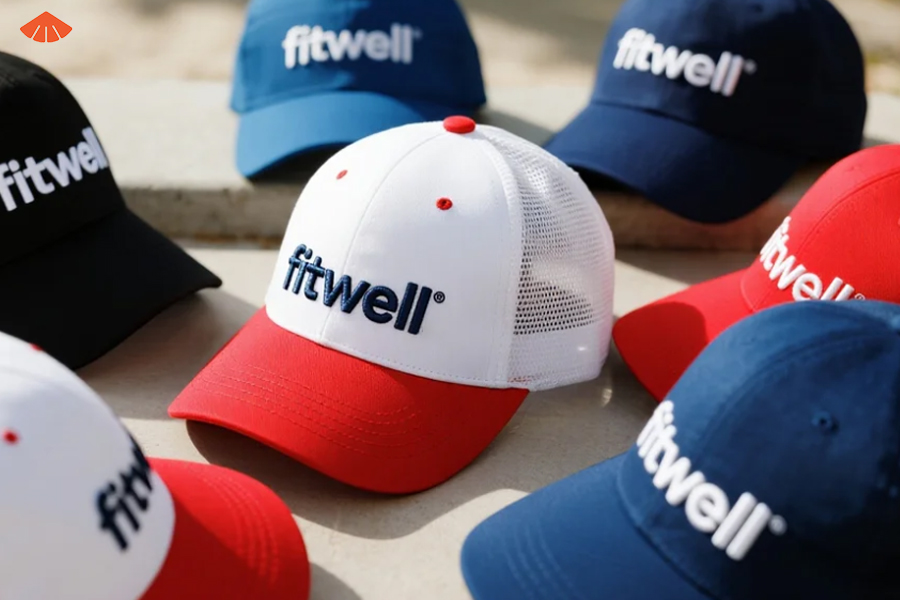
3. How to Vet Suppliers for High Quality Trucker Hat Orders
The best way to avoid mesh irritation and front panel wrinkles is to work with a reputable supplier that specializes incustom 5panel high quality cotton trucker hat embroideredproducts. But with so many suppliers online, how do you separate the good from the bad?
3.1 Key Quality Checks to Request Before Placing a Bulk Order
Never place a large order without first requesting samples and verifying key quality details. For an Amazon headwear seller, a bad batch of hats can lead to account issues and lost revenue, so it’s worth taking the time to vet suppliers thoroughly.
When evaluating samples, pay close attention to these details:
Mesh softness: Rub the mesh against your inner wrist to test for scratchiness
Panel stiffness: Bend the front panel gently—if it creases easily, it’s low quality
Embroidery clarity: Check for loose threads, puckering, or misaligned stitching
Fit accuracy: Measure the hat to ensure it matches the advertised
54-58cmsize range
Color consistency: Compare the sample color to your custom logo&color specifications
3.2 Red Flags That Signal a Supplier Will Deliver Low-Quality Hats
Some suppliers make big promises but cut corners to offer low prices. If you notice any of these red flags, it’s best to walk away and find a more reliable partner—even if their prices are slightly higher.
Common supplier red flags include:
Refusing to send physical samples (only offering digital mockups)
Prices that are 30%+ lower than the industry average for similar products
Vague answers about material specs or manufacturing processes
No portfolio of past custom embroidery work for B2B clients
Short production timelines that seem too good to be true
For startup founders and small business owners working with tight budgets, it can be tempting to go with the cheapest option. But the cost of returns, negative reviews, and reordering often far outweighs the initial savings of a low-quality supplier.
4. Pro Tips to Ensure Your Custom Cotton 5 Panel Cap Orders Meet Standards
Once you’ve found a reliable supplier, there are still steps you can take to ensure every order meets your quality standards. These tips are especially useful for brands that sellcotton trucker hat embroidered logoproducts, where consistency and attention to detail are key.
4.1 Specify Material & Construction Details in Your Order Contract
Don’t leave anything to chance—put every quality requirement in writing in your order contract. This ensures the supplier knows exactly what you expect, and gives you leverage if the final product doesn’t meet those standards.
Key details to include in your contract:
Exact fabric weight and type for front panels (e.g., 8 oz cotton twill)
Mesh material grade and softness requirements
Embroidery stitch count, thread type, and stabilizer specifications
Size tolerance (e.g.,
54-58cmwith ±0.5cm tolerance)
custom logo&color matching standards (Pantone color codes)
Quality inspection process and defect tolerance rate
For a trucker cap online retailer, having a clear contract also makes it easier to resolve disputes if a batch arrives with issues. Most reputable suppliers will agree to rework or replace defective orders if the requirements were clearly outlined upfront.
4.2 Conduct Pre-Shipment Inspections to Catch Issues Early
Even with a great supplier, it’s smart to conduct a pre-shipment inspection before the order leaves the factory. This lets you catch any defects early, before you pay for shipping and have to deal with returns.
You can either hire a third-party inspection service to check the order for you, or request detailed photos and videos from the supplier. For large orders (500+ hats), a third-party inspection is usually worth the small investment.
During the inspection, focus on these high-priority checks:
Randomly select 10-15% of hats to check for mesh irritation and panel wrinkles
Verify embroidery placement and clarity on every sampled hat
Measure size accuracy to ensure it falls within the
54-58cmrange
Check for stitching defects, loose threads, or frayed mesh edges
Confirm color accuracy against your approved sample
By catching issues before shipping, you can save yourself the hassle of dealing with unhappy customers and costly returns. This is especially important for an embroidered apparel design studio, where your reputation depends on delivering flawless products to your clients.
Interested in custom cap solutions? Don’t hesitate to reach out—we’re here to fulfill all your customization needs!
Follow & Message Us:
Facebook:https://www.facebook.com/fitwell.li
Instagram: www.instagram.com/fitwellcustomhats.dds/
LinkedIn:http://www.linkedin.com/in/fitwellcustom-hats-38a2b9b0/
Pinterest: http://www.pinterest.com/FitwellCustomHatsdds/
YouTube: http://www.youtube.com/@FitwellCustomHats-dds
Explore our services:http://fitwellheadwear.en.alibaba.com
WhatsApp us now: https://psce.pw/86jwa3