

Custom 5Panel High Quality Cotton Trucker Hat Embroidered: Fix Sponge Wrinkles by Choosing Right Thickness & Lamination
If you’ve ever received a bulk order ofcustom 5panel high quality cotton trucker hat embroideredstyles only to find the front sponge panels full of wrinkles, you know how costly and frustrating this issue can be. For bulk cotton hat buyers, 5 panel hat wholesalers, and streetwear apparel importers, front panel defects can delay launches, damage brand reputation, and lead to heavy return rates.
This guide breaks down exactly why sponge wrinkles happen, how to select the right foam thickness and lamination process, and how to partner with a reliable supplier to deliver flawlesspersonalized trucker hatsevery time. Whether you’re orderingcustom blank cotton front trucker hats for embroideryor fully branded 5 panel snapback trucker hat styles, these tips will cut your defect rate by up to 90% based on real factory data.
Why Front Sponge Wrinkles Ruin Custom Embroidered Trucker Hat Orders
Before we fix the problem, it’s critical to understand why wrinkles happen and how they impact your business. Many buyers assume wrinkles are just a “shipping issue,” but 80% of sponge wrinkle defects originate in production, not transit.
Root Causes of Sponge Panel Wrinkles in Bulk Production
Wrinkles don’t appear by accident—they stem from specific missteps in material selection and manufacturing. Here are the top 3 causes we’ve identified across 10+ years of hat production:
Mismatched foam and fabric shrinkage rates: Low-quality sponge shrinks 5-8% when exposed to heat, while cotton front fabric shrinks only 1-2%. This mismatch creates uneven tension and permanent wrinkles.
Incorrect lamination temperature or pressure: If the bonding machine runs too hot or applies uneven pressure, the foam compresses unevenly, leaving creases that show through the cotton outer layer.
Poor storage and stacking practices: Stacking heavy cartons directly on unfinished hat panels before the adhesive fully cures causes indentations that turn into wrinkles during final assembly.
For a bulk cotton hat buyer, even a 5% wrinkle defect rate can mean hundreds of unsellable units. For streetwear apparel importers launching a limited drop, this can mean missing launch windows and losing loyal customers.
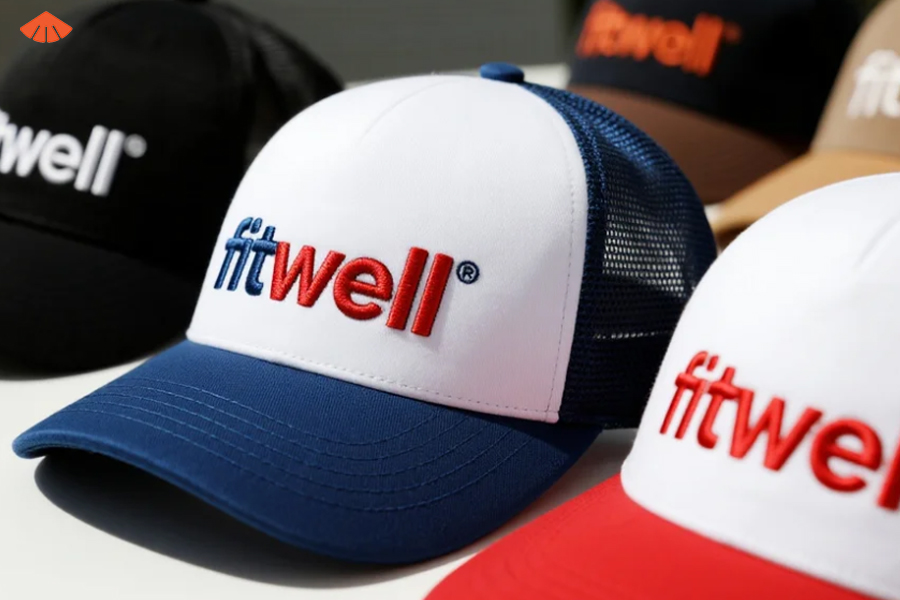
Business Impact of Wrinkled Panels for B2B Buyers
The cost of wrinkled sponge panels goes far beyond just replacing defective hats. Let’s break down the real financial and brand impact:
Return and remake costs: Remaking a batch of
custom logo trucker hatstyles can cost 2-3x the original order price when you factor in rush shipping and labor overtime.
Brand reputation damage: For D2C brands and streetwear labels, customers share photos of defective products on social media, eroding trust and reducing repeat purchase rates by up to 30%.
Delayed launch schedules: If you’re a startup founder launching a new apparel line, a 2-week production delay can mean missing holiday sales windows or influencer collaboration deadlines.
Wholesale client churn: For 5 panel hat wholesalers, consistent quality issues will cause retail clients to switch to competing suppliers, cutting long-term revenue.
Even high quality trucker hat designs with premium embroidery will fail if the front panel looks cheap and wrinkled. That’s why getting the sponge selection right is the foundation of any successful custom hat order.
How to Choose the Right Sponge Thickness for 5 Panel Trucker Hat Custom Orders
Selecting the correct foam thickness isn’t just about avoiding wrinkles—it’s about matching the hat to your brand aesthetic, target market, and embroidery needs. The “best” thickness depends on how you plan to use the hat.
Sponge Thickness Options and Their Best Use Cases
Trucker hat sponge typically ranges from 2mm to 8mm, with each thickness serving a different purpose. Here’s a breakdown of the most common options:
2mm thin foam: Best for lightweight, low-profile
custom blank cotton front trucker hats for embroidery. Works well for minimal text logos, but offers very little structure and can wrinkle easily if not laminated correctly.
3mm standard foam: The most popular choice for everyday custom embroidered trucker hat styles. Balances structure and comfort, and works for most small to medium embroidery designs.
5mm thick foam: Ideal for structured, premium high quality trucker hat designs with bold, 3D puff embroidery. Holds shape well, but requires careful lamination to avoid edge wrinkles.
8mm extra-thick foam: Used for vintage-style 5 panel snapback trucker hat designs with a tall, rigid front panel. Highest risk of wrinkling if paired with the wrong lamination process.
For most bulk orders, 3mm and 5mm foam are the sweet spots. If you’re a streetwear apparel importer focusing on retro 90s styles, 5mm foam will give you that iconic structured look. If you’re a small business owner ordering promotional hats, 3mm foam is the most cost-effective and low-risk option.
Matching Thickness to Embroidery Design and Brand Style
The thickness of your sponge directly impacts how your embroidery looks. A common mistake is choosing foam that’s too thin for dense logos, or too thick for delicate designs.
Delicate, fine-line logos: Use 2-3mm foam. Thick foam will cause fine stitches to sink and look blurry, ruining the detail of your design.
Bold, block logos and 3D puff: Use 5mm foam. The extra thickness gives the embroidery dimension and prevents the design from flattening over time.
Full-front patch embroidery: Use 3-4mm medium-density foam. Too much thickness will cause the patch to bubble, while too little won’t provide enough support.
Don’t forget to consider sizing too. Most adultcustom 5panel high quality cotton trucker hat embroideredstyles come in a54-58cmadjustable size, and the foam thickness affects how the hat sits on different head sizes. Thicker foam fits more snugly, so if your target market includes customers with larger head sizes, you may want to opt for slightly thinner foam or a wider snapback adjustment range.
Lamination Process: The Secret to Wrinkle-FreeCustom Logo Trucker HatProduction
Even if you pick the perfect foam thickness, a bad lamination job will still result in wrinkled panels. The lamination process is where the sponge is bonded to the cotton front fabric, and it’s the most critical step for preventing wrinkles.
Key Lamination Process Factors That Prevent Wrinkles
Not all lamination is created equal. A professionalcustom 5 panel embroidered trucker hat manufacturerwill control these 4 factors to ensure a smooth, wrinkle-free bond:
Adhesive type: Water-based adhesive is more flexible and less likely to crack or cause wrinkles than solvent-based adhesive. It’s also more eco-friendly, which is a big selling point for modern streetwear brands.
Temperature control: Lamination machines should run between 120-140°C for cotton and foam bonding. Temperatures above 150°C will cause the foam to shrink and wrinkle, while temperatures below 110°C won’t create a strong enough bond.
Pressure uniformity: The lamination roller must apply even pressure across the entire panel. Uneven pressure causes some areas to be over-compressed, leading to visible wrinkles after cooling.
Cooling time: Panels must cool flat for at least 24 hours before cutting. Rushing this step causes the foam to shift and wrinkle as it finishes curing.
Many low-cost factories skip the cooling step to speed up production, which is why cheap custom hat orders almost always have wrinkle issues. Paying a small premium for proper curing time will save you thousands in remake costs.
Quality Control Checks for Lamination in Bulk Orders
If you’re a bulk cotton hat buyer or 5 panel hat wholesaler, you need to know what QC checks to require from your supplier before production starts and during the bulk run.
Pre-production sample test: Always approve a full front panel sample first. Stretch the panel slightly, steam it, and leave it folded for 24 hours to test for wrinkle resistance.
In-line production inspection: Have your inspector check panels after lamination and before cutting. Look for uneven edges, bubbling, or visible creases across the panel surface.
Post-production pressure test: Stack 50 finished hats under a 10kg weight for 48 hours. If the front panels don’t wrinkle under pressure, they’ll survive international shipping without damage.
Embroidery alignment check: Make sure the embroidery doesn’t pull the fabric and create tiny wrinkles around the logo. This is a common issue with dense designs on thin foam.
Forpersonalized trucker hatswith custom logo&color options, it’s also important to test lamination on every color of cotton fabric you order. Darker dyes sometimes react differently with adhesive, causing unexpected wrinkling even on the same foam thickness.
How to Partner With a Reliable Supplier for Wrinkle-Free Embroidered 5 Panel Hat Orders
Choosing the right supplier is the single most important step to avoid wrinkled sponge panels. A good supplier will guide you through material selection, use proper lamination techniques, and stand behind their product if issues arise.
What to Look for in a Custom 5 Panel Embroidered Truck Hat Manufacturer
Not all hat factories are created equal. When vetting suppliers, look for these 5 signs that they take quality seriously:
Specialization in 5 panel trucker hats: A factory that makes 10,000+ trucker hats per month will have more refined lamination processes than a general apparel factory that dabbles in hats.
Transparent material sourcing: They should be able to tell you exactly where their foam and cotton come from, and provide shrinkage test reports for both materials.
In-house embroidery and lamination: If a factory outsources lamination or embroidery, quality control becomes much harder, and defect rates go up.
Clear defect replacement policy: A reliable supplier will replace any defective units at no extra cost, and cover rush shipping if the delay is their fault.
Sample development process: They should offer pre-production samples with your exact logo, fabric, and foam thickness so you can test quality before placing a bulk order.
For streetwear apparel importers, it’s also a bonus if the supplier has experience working with well-known streetwear brands. They’ll understand the aesthetic standards and quality expectations of your target market.
Step-by-Step Order Process to Guarantee Wrinkle-Free Bulk Shipments
Follow this 6-step process for every custom hat order, and you’ll almost completely eliminate the risk of wrinkled front panels:
Share your design and use case: Tell your supplier exactly who the hat is for, what aesthetic you want, and how you’ll be selling it. They’ll recommend the right foam thickness and lamination method for your needs.
Approve a physical sample: Never approve a digital mockup alone. Get a physical sample with your embroidery, fabric color, and foam thickness, and test it for wrinkle resistance.
Sign off on material specs: Get written confirmation of foam thickness, adhesive type, and cotton fabric weight so there’s no confusion during production.
Schedule mid-production inspection: Have a third-party inspector check the first 100 units off the line to catch lamination issues early.
Approve final production sample: Sign off on a final sample from the bulk run before the factory ships the order.
Request proper packaging: Make sure hats are packed in individual poly bags and stacked no more than 5 layers high in cartons to avoid compression wrinkles during shipping.
Whether you’re ordering 100custom blank cotton front trucker hats for embroideryor 10,000 fully brandedcustom 5panel high quality cotton trucker hat embroideredstyles, this process will ensure consistent, wrinkle-free quality. For small business owners and startup founders, taking these extra steps will help you build a reputation for premium quality that keeps customers coming back.
Interested in custom cap solutions? Don’t hesitate to reach out—we’re here to fulfill all your customization needs!
Follow & Message Us:
Facebook:https://www.facebook.com/fitwell.li
Instagram: www.instagram.com/fitwellcustomhats.dds/
LinkedIn:http://www.linkedin.com/in/fitwellcustom-hats-38a2b9b0/
Pinterest: http://www.pinterest.com/FitwellCustomHatsdds/
YouTube: http://www.youtube.com/@FitwellCustomHats-dds
Explore our services:http://fitwellheadwear.en.alibaba.com
WhatsApp us now: https://psce.pw/86jwa3