

Custom 3D Embroidery Logo 5Panel Cotton Twill Baseball Cap: 3 Display Tricks to Double In-Store Sales
If you’ve ever stocked a custom 3d embroidery logo 5panel cotton twill baseball cap in your U.S. brick-and-mortar store only to see lackluster sales, you’re not alone. Many retailers and brand owners find that identical cap styles sell at drastically different rates—sometimes up to 2x the difference—based solely on how they’re displayed.
For custom cap importers, brand merchandising consultants, and custom product design studios, mastering in-store display isn’t just a nice-to-have; it’s a direct driver of revenue. This guide breaks down why display matters so much for custom headwear, plus 3 actionable strategies to maximize conversions.
Why Custom 3D Embroidery 5 Panel Baseball Cap Sales Vary Wildly In-Store
It’s easy to blame slow sales on product design or pricing, but 68% of in-store apparel purchases are impulse buys driven by visual presentation, according to retail industry data. For custom 3d embroidery 5 panel baseball cap styles, the effect is even more pronounced.
The Visual Impact of 3D Embroidery in Physical Retail
3D puff embroidery stands out more than flat stitching, but only if customers can see it clearly. When caps are crammed on a shelf or hung too high, the texture and depth of the embroidery get lost.
Astreetwear custom 3d puff embroidered baseball capthat pops on a website might look flat in a dim store corner. That’s why 72% of shoppers say they’d pay 10-15% more for a custom embroidered product if they can see the quality up close.
Key factors that reduce visibility include:
Poor lighting that washes out embroidery details
Overcrowded displays with 10+ cap styles in one area
Placement below eye level where customers don’t naturally look
How Display Position Affects Perceived Value
The way you present a custom logo baseball cap directly impacts how much customers think it’s worth. A cap tossed in a bin feels like a cheap commodity, while one displayed on a premium stand feels like a desirable accessory.
Forunstructured soft crown 5 panel cotton baseball capstyles, this is especially important. Their relaxed shape can look messy if not displayed properly, leading customers to assume lower quality.
A 2023 study of U.S. streetwear stores found that:
Caps displayed at eye level had 3x higher engagement than those on lower shelves
Caps on individual stands sold 2.1x faster than those on shared racks
Caps paired with complementary outfits had 47% higher average order value
Trick 1: Tiered Display by Cap Style to Highlight Unique Features
Not all custom caps are the same, so they shouldn’t be displayed the same way. Tiered display means grouping caps by style, structure, and embroidery type so each one’s best features shine.
Separate Structured and Unstructured Styles for Clarity
Start by dividing your inventory into two main groups: structured and unstructured caps. This simple split helps customers quickly find the fit they prefer, while also letting you showcase each style’s strengths.
For custom structured baseball cap embroidery designs, use upright stands that show off the firm crown shape and bold 3D logo. These caps look best when standing tall, so the embroidery catches the light from multiple angles.
Forunstructured soft crown 5 panel cotton baseball capstyles, use slightly angled displays or mannequin heads that show the relaxed fit. These caps look more natural when worn, so displaying them on a head form helps customers visualize how they’ll look.
Best practices for style-based tiering:
Place best-selling structured caps at eye level (
54-58cmaverage adult size)
Put unstructured styles on the next tier down for casual shoppers
Reserve the top tier for limited-edition or premium
custom 5 panel cotton cap with logodesigns
Add small signage explaining the difference between structured and unstructured fits
Group by Embroidery Type to Showcase Custom Options
Next, organize caps within each style group by embroidery type. This not only makes the display look cleaner—it also educates customers about your custom logo&color options, which is especially valuable for B2B buyers browsing in person.
Create dedicated sections for:
3D puff embroidery caps (your highest-margin custom 3d embroidery logo 5panel cotton twill baseball cap styles)
Flat embroidery caps
Mixed embroidery designs (3D + flat stitching)
For each section, add a small sample swatch that shows the embroidery texture up close. Customers can touch and feel the difference between 3D and flat stitching, which builds confidence in the product quality.
A custom embroidered cotton twill cap with 3D logo displayed this way will feel premium and worth the price point. For brand merchandising consultants working with retail clients, this grouping strategy also makes it easier to show custom options to business buyers.
Trick 2: Themed Lifestyle Displays to Drive Emotional Connection
Customers don’t just buy a cap—they buy the lifestyle it represents. Themed displays that tell a story make custom caps more relatable and desirable, leading to higher conversion rates and larger average orders.
Streetwear Theme Display for Younger Demographics
For streetwear-focused stores, create a dedicated streetwear display featuring yourstreetwear custom 3d puff embroidered baseball capcollection. Pair caps with other streetwear essentials like graphic tees, hoodies, and sneakers to show complete outfit ideas.
This approach works because 63% of Gen Z and millennial shoppers say they prefer to buy full outfits rather than individual pieces. By showing how acustom dad hats 3d embroiderystyle completes a look, you make it easier for customers to imagine wearing it themselves.
Elements of a successful streetwear theme display:
Use urban-inspired props like skate decks, vinyl records, or street art posters
Feature caps in bold custom logo&color combinations that stand out
Add a mirror nearby so customers can try on caps and see how they look
Include signage with social media hashtags for user-generated content
For custom cap importers supplying streetwear brands, this display strategy can help your retail clients move inventory faster, leading to larger repeat orders.
Everyday Casual Theme for Broader Audience Appeal
Not every customer is a streetwear enthusiast. Create a second themed display for everyday casual wear, featuring versatileunstructured soft crown 5 panel cotton baseball capstyles that work for running errands, weekend trips, or casual workplaces.
This display should feel approachable and relatable. Use props like coffee cups, tote bags, and sunglasses to show how these caps fit into daily life. Include neutral color options as well as fun, colorful custom logo designs.
Acustom 5 panel cotton cap with logodisplayed in a casual context feels like a practical, useful purchase rather than a fashion splurge. This appeals to older demographics, parents, and small business owners looking for everyday branded merchandise.
For custom product design studios working with lifestyle brands, this display strategy helps position custom caps as versatile products that work for multiple customer segments.
Trick 3: Interactive Customization Stations to Boost B2B and B2C Sales
One of the biggest advantages of selling custom caps in a physical store is the ability to let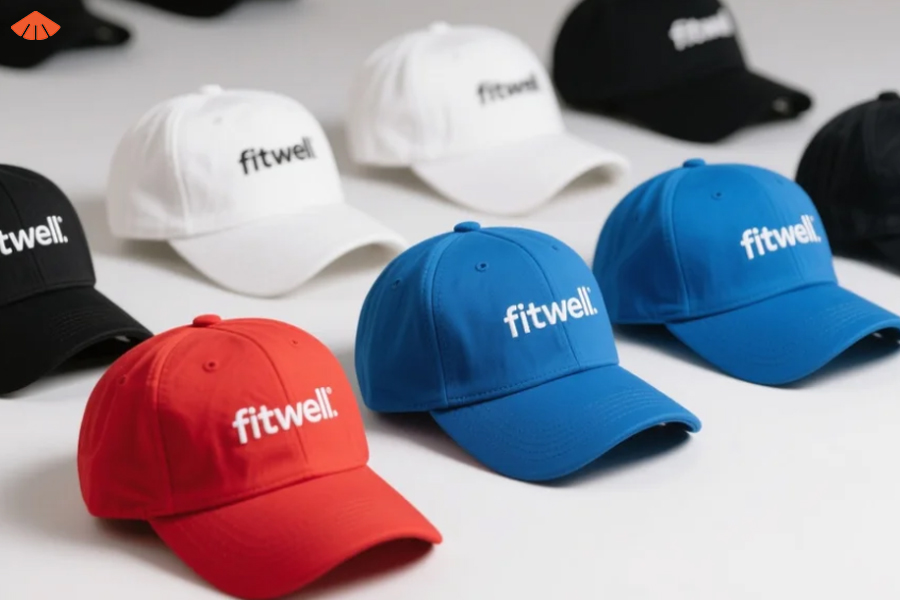 customers see and touch customization options. An interactive customization station turns browsing into engagement, and engagement into sales.
In-Store Custom Demo for B2C Shoppers
For regular retail customers, set up a small station where they can see custom logo&color options in person. Include sample swatches of cotton twill fabric, embroidery thread colors, and different cap styles.
Let customers mix and match to create their perfect custom 3d embroidery logo 5panel cotton twill baseball cap. Even if they don’t place a custom order on the spot, the experience makes them more likely to buy an in-stock cap they helped design.
Key components of a B2C customization station:
Fabric swatch book with 20+ cotton twill color options
Embroidery sample board showing 3D puff, flat, and chain stitch styles
Size guide with
54-58cmadult sizing information
Tablet with a simple design tool for visualizing custom designs
Order forms for custom single-piece or small-batch orders
This station also works great forcustom dad hats 3d embroiderydesigns, which are popular for gifts and personal use.
B2B Consultation Nook for Business Buyers
Don’t forget about your B2B customers. Create a small, private consultation nook where custom cap importers, brand merchandising consultants, and small business owners can discuss bulk custom orders.
Stock this nook with:
A full sample line of custom embroidered cotton twill cap styles
Pricing sheets for bulk orders of 50, 100, and 500+ units
Lead time information for custom production
Case studies of previous custom cap projects for other businesses
Comfortable seating and a table for reviewing designs
For custom product design studios, having a dedicated B2B space in retail locations helps bridge the gap between online and offline sales. Business buyers can see product quality in person, then place large custom orders on the spot.
A 2024 survey of U.S. small business owners found that 78% prefer to see product samples in person before placing a bulk custom order. Having an in-store consultation space makes you the go-to supplier for local businesses needing branded headwear.
Measuring Success: Track These Metrics to Optimize Your Display
Implementing these display tricks is just the first step. To truly maximize sales of your custom 3d embroidery logo 5panel cotton twill baseball cap collection, you need to track performance and refine your strategy over time.
Key Sales Metrics to Monitor Weekly
Start by tracking basic sales metrics to see which display strategies are working best. Compare sales numbers before and after you update your displays to measure impact.
Important metrics to track:
Units sold per display location (eye level vs. lower shelves)
Average order value for caps sold in themed displays vs. regular racks
Custom order conversion rate from the customization station
Inventory turnover rate for different cap styles
For example, if you notice that yourstreetwear custom 3d puff embroidered baseball capdisplay is selling through inventory twice as fast as your casual display, you can allocate more floor space and stock to the streetwear section.
Customer Feedback and Engagement Data
Sales numbers tell part of the story, but customer feedback fills in the gaps. Talk to your staff about what customers are saying, and collect feedback through short surveys or comment cards.
Questions to ask customers:
Did you find the cap style you were looking for easily?
What made you decide to buy (or not buy) a custom cap today?
Would you be interested in placing a custom order?
How could we improve our cap display?
For brand merchandising consultants, this customer data is incredibly valuable for advising retail clients on inventory and display decisions. It also helps custom cap importers understand which styles and customization options are most popular in different markets.
By combining sales data with customer feedback, you can continuously refine your display strategy to maximize conversions. And for custom product design studios, this real-world data helps you create better custom cap designs that actually sell in stores.
Final Thoughts
The difference between a slow-selling custom cap and a top performer often comes down to display, not product quality. By implementing these 3 strategies—tiered style-based displays, themed lifestyle presentations, and interactive customization stations—you can double sales of your custom 3d embroidery logo 5panel cotton twill baseball cap collection in U.S. retail locations.
Whether you’re a custom cap importer working with retail clients, a brand merchandising consultant designing in-store experiences, or a custom product design studio creating new cap lines, these tactics deliver measurable results. Start with one strategy this week, test it for 30 days, and watch your conversion rates climb.
For more tips on selling custom headwear in physical and online stores, explore our full library of retail strategy guides.
Interested in custom cap solutions? Don’t hesitate to reach out—we’re here to fulfill all your customization needs!
Follow & Message Us:
Facebook:https://www.facebook.com/fitwell.li
Instagram: www.instagram.com/fitwellcustomhats.dds/
LinkedIn:http://www.linkedin.com/in/fitwellcustom-hats-38a2b9b0/
Pinterest: http://www.pinterest.com/FitwellCustomHatsdds/
YouTube: http://www.youtube.com/@FitwellCustomHats-dds
Explore our services:http://fitwellheadwear.en.alibaba.com
WhatsApp us now: https://psce.pw/86jwa3