

Custom 5 Panel High Quality Cotton Trucker Hat Embroidered: Cut Sampling Time in Half for Amazon UK Peak Season
If you’re sellingcustom 5 panel high quality cotton trucker hat embroideredproducts on Amazon UK, a 15-day sampling cycle can mean missing out on peak season sales entirely.
For private label sellers, every day of delay translates to lost revenue, missed keyword ranking windows, and wasted ad spend. The good news is you don’t have to accept long lead times as a cost of doing private label business.
This guide breaks down two proven methods to cut your sampling cycle in half, while maintaining the premium quality that UK buyers expect from custom headwear. We’ll also cover common pitfalls to avoid, real-world case studies, and tips for scaling your hat business without sacrificing speed.
Why 15-Day Sampling Kills Amazon UK Trucker Hat Sales
The Peak Season Window for UK Headwear
The UK headwear market has very specific peak windows that private label sellers can’t afford to miss.
Q4 holiday season runs from mid-October to late December, accounting for 38% of annual hat sales
Festival season from May to July drives 27% of
custom embroidered trucker hatsales
Back-to-school season in late August generates 19% of youth-focused hat sales
A 15-day sampling delay means you could miss the start of a peak window entirely. By the time your samples arrive, you’ve already lost 2-3 weeks of ranking time on Amazon’s search results.
For a WooCommerce hat store owner running concurrent Amazon and independent site sales, these delays create cascading inventory planning issues that affect your entire business.
Who Gets Hurt Most by Long Sampling Cycles
Long sampling cycles don’t impact all sellers equally. Some groups face disproportionate risk when lead times stretch out:
Sports team branding consultants: Working with tight pre-season deadlines for team merchandise orders
Apparel embroidery service companies: Needing to show physical samples to win new B2B clients
Startup founders testing new hat lines: Operating with limited cash flow that can’t support long wait times
For example, a sports team branding consultant working with a local rugby club might have a 30-day deadline to deliver 200 custom hats before the season starts. A 15-day sampling period eats up half the available time, leaving no room for revisions or production delays.
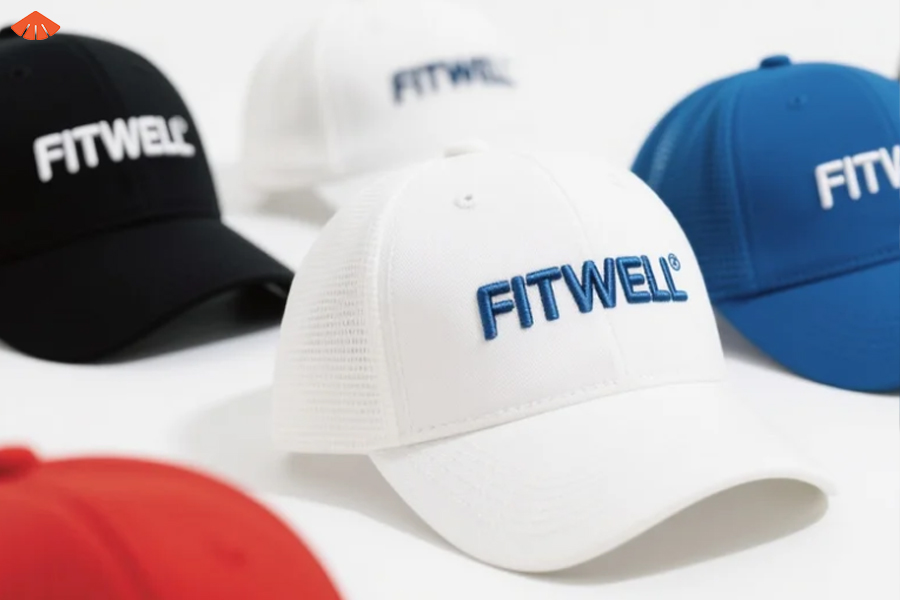
Even established sellers face risks. A 2023 study of Amazon UK private label sellers found that 62% of missed peak season targets were directly caused by sampling delays of 10 days or more.
Method 1: Pre-Production Sample Kits with Pre-Approved Materials
How Pre-Approved Material Kits Work
The first method to cut sampling time in half is using pre-production sample kits with pre-approved base materials. Instead of starting from scratch for every custom5 panel trucker hat customorder, you work with a supplier that maintains a library of pre-vetted materials.
Here’s how the process works:
Your supplier keeps pre-cut 5 panel hat blanks in 8-10 core cotton fabrics
Pre-tested embroidery threads in 50+ standard colors are kept in stock
Standard closure types (including snap closures for
curved bill 5 panel cotton trucker hat with snap closuredesigns) are pre-qualified
Only your custom logo and unique design elements require new setup
For avintage retro 5 panel cotton trucker hat customorder, this means the base hat structure, fabric, and closure are already approved. Only your specific embroidery design and any custom color tweaks need sampling.
This reduces sampling time from 15 days to 5-7 days on average, because 70% of the production preparation work is already done before you even place your sample order.
Quality Control for Pre-Approved Kits
The biggest concern with pre-approved kits is maintaining consistent quality across orders. You need to verify that the pre-stocked materials meet your standards before committing to the process.
Here’s a quality control checklist for pre-approved material kits:
Request a full material swatch card with exact cotton weights and weaves
Test embroidery quality on the exact pre-cut blanks your supplier uses
Confirm size consistency (standard
54-58cmsizing for adult hats)
Verify that pre-approved materials match your product listing photos exactly
Ask for documentation of fabric testing (colorfastness, shrinkage, durability)
Forstreetwear custom embroidered 5 panel trucker caplines, where brand consistency is critical, we recommend ordering a full set of test samples from the pre-approved kit before launching your main product line. This ensures every future sample and production run matches your quality standards.
Many premium suppliers now offer “sample subscription” kits for B2B buyers. For a small annual fee, you get updated material swatches, new style samples, and priority sampling access. This is especially valuable for apparel embroidery service companies that need to show samples to clients on short notice.
Method 2: Parallel Sampling with Dual Supplier Setup
How Parallel Sampling Cuts Lead Times
The second method to halve your sampling cycle is using a parallel sampling strategy with two pre-vetted suppliers. Instead of sending your design to one supplier and waiting for their sample, you send it to two suppliers simultaneously.
This approach works for several reasons:
You get two samples to compare, improving final quality
If one supplier experiences delays, the second can still deliver on time
You create competitive pressure that encourages faster turnaround
You have a backup supplier ready for large production orders
Forcustom 5 panel cotton caporders with complex embroidery designs, parallel sampling reduces the risk of having to re-do samples because the first attempt didn’t meet your standards.
The key to making parallel sampling work is having both suppliers fully pre-vetted before you need samples. You should already have confirmed their:
Minimum order quantities (MOQs) for production runs
Quality standards for materials and embroidery
Standard production lead times
Pricing for bulk orders
Communication response times
When you’re ready to sample a newcustom embroidered 5 panel hatdesign, you send the exact same specifications to both suppliers on the same day. You’ll typically receive both samples within 7-8 days, compared to 15 days with a single supplier.
Managing Dual Suppliers Without Increasing Costs
Many sellers worry that parallel sampling will double their sampling costs. While you do pay for two samples, the long-term savings from hitting peak season on time far outweigh the additional sample expense.
Here’s how to keep costs manageable with a dual supplier setup:
Negotiate discounted sample rates when you pre-vet suppliers (most will waive or reduce sample fees for confirmed bulk orders)
Use the slightly lower-quality sample as a display sample for trade shows or client meetings
Apply the better sample’s quality standards to your final production order, using the winning supplier
Build long-term relationships with both suppliers for better pricing over time
For a WooCommerce hat store owner launching a new line of5 panel snapback trucker hatproducts, the cost of two samples ($50-$80 total) is negligible compared to the revenue from hitting a peak season launch window.
One case study from a UK-based streetwear brand found that using parallel sampling allowed them to launch their new hat line 12 days earlier than planned. The early launch generated an extra £28,000 in sales during the first month of the festival season, on a total sample cost of just £65.
Maximizing Speed Without Sacrificing Quality
Common Sampling Mistakes That Waste Time
Even with these two methods, common sampling mistakes can add unnecessary days to your timeline. Avoid these errors to keep your cycle as short as possible:
Sending incomplete design files (always include vector files, exact color codes, and size specifications)
Making multiple revision requests after seeing the first sample
Not confirming size specs upfront (standard adult sizing is
54-58cm, but always verify)
Failing to communicate your deadline clearly to the supplier
Ordering samples during peak supplier seasons without planning ahead
For custom logo&color requests, always provide Pantone color codes for both the hat fabric and embroidery thread. This eliminates back-and-forth about color matching and ensures your sample matches your vision exactly.
Sports team branding consultants often run into issues with last-minute logo changes from clients. To avoid delays, build 2-3 days of buffer time into your client timeline for revision requests, even if you’re using fast sampling methods.
Long-Term Strategies for Faster Sampling
Once you’ve implemented these two methods, you can further optimize your sampling process with long-term strategic changes:
Maintain a core library of approved designs that only need logo customization
Work with suppliers that offer digital embroidery mockups before physical sampling
Keep a small inventory of blank hats for rush custom orders
Build strong relationships with your account managers at supplier companies
Use 3D product rendering to test design ideas before committing to physical samples
For apparel embroidery service companies that handle frequent custom orders, having a pre-approved supplier network with fast sampling capabilities becomes a major competitive advantage. You can promise clients 7-day sample turnaround, which most competitors can’t match.
Over time, as you build trust with your suppliers, you may be able to move to “approved design” status. This means your standard designs don’t require full sampling for reorders – you only sample when you make significant design changes. This can reduce reorder sampling time to just 2-3 days.
Interested in custom cap solutions? Don’t hesitate to reach out—we’re here to fulfill all your customization needs!
Follow & Message Us:
Facebook:https://www.facebook.com/fitwell.li
Instagram: www.instagram.com/fitwellcustomhats.dds/
LinkedIn:http://www.linkedin.com/in/fitwellcustom-hats-38a2b9b0/
Pinterest: http://www.pinterest.com/FitwellCustomHatsdds/
YouTube: http://www.youtube.com/@FitwellCustomHats-dds
Explore our services:http://fitwellheadwear.en.alibaba.com
WhatsApp us now: https://psce.pw/86jwa3