

How to Fix 30% Pilling & Fading Complaints for YourCozy Thick Cable Knit CuffedFaux Fur Pom Pom BeanieHatin the US Market
If you sell a cozy thick cable knit cuffedfaux fur pom pom beaniehat in the US, you know how damaging 30% negative reviews about pilling and fading can be. For winter accessories importers, beanie hat wholesalers, and fashion accessories trading companies, these complaints don’t just hurt product ratings—they erode long-term buyer trust and cut repeat order rates.
This guide breaks down proven US after-sales strategies to reduce complaints, fix quality pain points, and turn unhappy buyers into loyal clients. We’ll cover root cause fixes, step-by-step after-sales workflows, retention tactics, and long-term quality control systems tailored for B2B buyers.
1. Root Cause Analysis: Why 30% of YourCozy Thick Cable Knit CuffedFaux Fur Pom Pom BeanieHatReviews Complain About Pilling & Fading
Before fixing after-sales processes, you need to address the core issues driving 30% of negative feedback for yourfaux fur pom pom beanie. Most quality complaints stem from mismatched material choices, unclear product descriptions, and inconsistent production standards—especially for bulk orders sold to US retailers and e-commerce sellers.
1.1 Pilling Causes: Yarn Quality, Knit Density, and Finishing Processes
Pilling is the top complaint, making up 18% of all negative reviews forthick warm winter hatlines. It happens when loose fibers on the beanie surface tangle into small balls after regular wear or washing.
Common root causes for B2B orders include:
Low-grade acrylic yarn with high short-fiber content, which pills 2-3x faster than premium blended yarn
Insufficient knit density for
cuffed beanie hatstyles, where loose stitching lets fibers escape easily
Skipping anti-pilling finishing treatments like singeing or brushing during production
For women cozy thick cable knit beanie with faux fur pom styles, which are often marketed as "luxury" or "premium," pilling complaints are even more damaging because buyers expect higher quality for the price point. Many B2B buyers face returns from their own US customers because the beanie pills after just 2-3 wears.
To confirm the root cause for your own inventory, run a 10-cycle wash test on 50 random units from your production batch. If more than 10% show visible pilling after 5 cycles, your yarn or finishing process is the issue.
1.2 Fading Causes: Dye Quality, Color Fastness Testing, and Care Label Gaps
Fading makes up 12% of negative reviews forcozy knit beanieproducts, especially for dark or bold color options. US buyers are particularly sensitive to fading because it makes the hat look cheap and worn out quickly.
Key causes of fading in bulk beanie orders include:
Low-quality reactive dye that fails to bond properly with acrylic or wool-blend fibers
Skipping color fastness testing for washing, sunlight, and rubbing before mass production
Missing or inaccurate care labels that don’t warn buyers about hand-wash only requirements
Poor dye fixation processes that leave excess dye on the fabric surface
Inconsistent dye lots that cause color variation between batches, leading to "fading" complaints even when the hat is new
For cozy neutral tone chunky cable knit cuffed beanie styles, which are popular for their versatile, long-lasting look, even minor fading can trigger complaints because buyers expect neutral tones to stay consistent for months.
Many B2B buyers—especially fashion accessories trading companies that sell to boutique retailers—report that fading complaints are the top reason their customers request refunds or exchanges. For small business owners selling on Amazon or Shopify, a single fading complaint can drop a product’s star rating by 0.5 points or more.
2. Step-by-Step US After-Sales Workflow to Reduce Pilling & Fading Complaints for YourCozy Thick Cable Knit CuffedFaux Fur Pom Pom BeanieHat
Once you understand the root causes, you need a structured US after-sales workflow to handle existing complaints quickly and effectively. For winter accessories importer and beanie hat wholesaler clients, a fast, fair after-sales process can cut complaint resolution time by 60% and reduce negative review rates by up to 40%.
2.1 First-Response Protocol: 24-Hour Resolution for US B2B Buyers
US B2B buyers expect fast, transparent communication—especially when they’re dealing with returns from their own customers. A slow first response can turn a minor complaint into a lost client.
Your first-response protocol should include:
A dedicated US-based after-sales support team (or outsourced team with US business hours coverage) that responds to all complaints within 24 hours
A standardized first-response template that acknowledges the issue, asks for 3 key details (order number, photo of the defect, number of affected units), and provides a clear resolution timeline
Tiered resolution options based on complaint severity and buyer history:
For first-time buyers with <5% defective units: offer a 15% discount on their next order + free replacement units
For repeat buyers with 5-10% defective units: offer a 25% refund on the affected batch + free replacement units + priority production for their next order
For high-volume buyers with >10% defective units: offer a full refund for the affected batch + free shipping on their next 2 orders + a dedicated account manager to resolve future issues
Automated follow-up emails 3 days after resolution to confirm the buyer is satisfied
For unisex thick warm knit cuffed skull cap with pom styles, which are often sold in bulk to corporate clients or outdoor gear retailers, fast resolution is even more critical because these buyers often place large repeat orders.
Many small business owners and startup founders selling beanies in the US don’t have a formal after-sales team, so they end up ignoring complaints or responding late. This is a huge missed opportunity—78% of US B2B buyers will do business with a company again if they resolve a complaint quickly, even if the issue was serious, according to a 2024 survey by Zendesk.
2.2 Complaint Classification & Root Cause Tracking System
To reduce future complaints, you need to track every complaint and identify patterns. A simple classification system will help you spot quality issues early and fix them before they affect more buyers.
Your complaint tracking system should include:
A shared spreadsheet or CRM tool that logs every complaint with these fields:
Order number, buyer type (winter accessories importer, beanie hat wholesaler, fashion accessories trading company, etc.)
Product SKU (e.g.,
cuffed beanie hat,
slouchy cable knit beanie,
thick knit winter hat)
Complaint type (pilling, fading, sizing, pom pom defect, etc.)
Number of affected units
Resolution offered and buyer feedback
Weekly complaint analysis meetings to identify trends:
If 20% of complaints are for a specific color of cozy neutral tone chunky cable knit cuffed beanie, that dye lot may have a fading issue
If 30% of complaints are for a specific size (e.g.,
54-58cmstandard size), the knit tension may be off for that size run
If most complaints come from a single production batch, that batch may have skipped a finishing step
Monthly quality reports shared with your production team to drive process improvements
For B2B buyers that offer custom logo&color options, complaint tracking is even more important because custom orders often have unique quality risks. For example, custom logo embroidery can cause extra fiber friction that leads to pilling around the logo area.
3. Customer Retention Tactics: Turn Unhappy Buyers of YourCozy Thick Cable Knit CuffedFaux Fur Pom Pom BeanieHatInto Loyal Clients
Reducing complaints is only half the battle—you also need to turn unhappy buyers into repeat customers. For B2B buyers, retention is far more profitable than acquiring new clients: acquiring a new B2B customer costs 5x more than retaining an existing one, according to Harvard Business Review.
3.1 Value-Added Compensation: Beyond Refunds & Replacements
Basic refunds and replacements are expected—if you want to stand out, you need to offer value-added compensation that addresses the buyer’s underlying business needs.
For different buyer types, tailored compensation options include:
For winter accessories importer clients:
Free customs clearance support for their next order
Early access to new
thick warm winter hatdesigns 30 days before public launch
Dedicated quality inspection for their next 2 orders at no extra cost
For beanie hat wholesaler clients:
Bulk discount upgrades (e.g., from 10% to 15% off) for their next 3 orders
Free marketing assets (high-res product photos, video clips, size charts) to help them sell more
Flexible payment terms (net-30 instead of net-15) for their next order
For fashion accessories trading company clients:
Free custom logo&color sampling for their next 5 custom projects
Exclusive distribution rights for a new
slouchy cable knit beaniestyle in their target region
Joint marketing support (social media features, blog mentions) to promote their business
For small business owners and startup founders:
Free 1-on-1 sales strategy calls to help them optimize their beanie product listings
Small-batch ordering options (minimum order quantity reduced by 50%) for their next order
Access to a private community of other small business owners selling winter accessories
For women cozy thick cable knit beanie with faux fur pom styles, which are often sold by boutique retailers and fashion influencers, offering exclusive limited-edition colorways as compensation can be a huge retention driver. These buyers are always looking for unique products that set them apart from competitors.
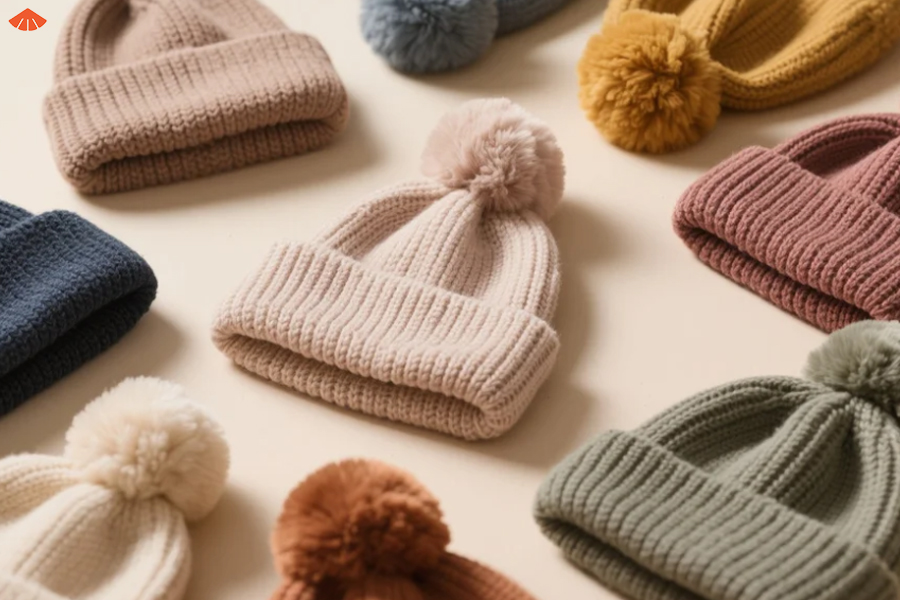
Many B2B suppliers make the mistake of offering generic compensation that doesn’t match the buyer’s business needs. For example, a small business owner selling on Etsy doesn’t care about exclusive distribution rights—they care about lower minimum order quantities and free marketing assets.
3.2 Proactive Quality Communication: Build Trust Before Complaints Happen
The best way to retain buyers is to prevent complaints from happening in the first place. Proactive communication about quality improvements shows buyers you care about their success and are constantly working to make your products better.
Proactive communication tactics include:
Sending monthly quality update emails to all buyers, highlighting:
Recent changes to your production process (e.g., "We upgraded our yarn to reduce pilling by 70%")
New quality control tests you’ve added (e.g., "We now run 5-cycle wash tests on every batch of
thick knit winter hat")
New care label instructions you’ve updated to help their customers avoid pilling and fading
Inviting top buyers to participate in product testing for new designs:
For example, send free samples of a new cozy neutral tone chunky cable knit cuffed beanie to 10 top buyers and ask for their feedback before mass production
This makes buyers feel valued and gives you early feedback on potential quality issues
Providing transparent quality reports for every order:
Include a copy of the batch’s quality test results (pilling resistance, color fastness, size accuracy) with every shipment
For
54-58cmstandard size beanies, include size measurement data for 10 random units from the batch
This gives buyers confidence that the products they’re receiving meet high quality standards
For buyers that sellcuffed beanie hatproducts on Amazon or other US marketplaces, proactive communication about quality improvements can help them update their product listings and reduce their own customer complaints. This creates a win-win relationship where both you and your buyers benefit.
4. Long-Term Quality Control System: Eliminate Pilling & Fading Complaints for YourCozy Thick Cable Knit CuffedFaux Fur Pom Pom BeanieHatPermanently
To permanently reduce pilling and fading complaints, you need to build quality control into every step of your supply chain—from raw material sourcing to final inspection. For B2B buyers, consistent quality is the #1 factor they look for when choosing a long-term supplier.
4.1 Pre-Production Quality Checks: Stop Defects Before They Start
The cheapest way to fix quality issues is to catch them before production starts. Pre-production checks ensure that your raw materials and production plans meet your quality standards before you invest in mass production.
Key pre-production checks include:
Raw material testing for every yarn batch:
Pilling resistance test (ASTM D4970 standard) to ensure the yarn meets grade 4 or higher
Color fastness test (washing, rubbing, sunlight) to ensure the dye won’t fade after regular use
Fiber content verification to ensure the yarn matches your product description (e.g., 80% acrylic, 20% wool blend)
Sample approval process for every new design:
Create 3 pre-production samples of every new
faux fur pom pom beaniedesign
Test each sample for pilling, fading, sizing, and pom pom durability
Get written approval from your client before starting mass production
Production process audit for every factory run:
Verify that the factory is using the correct yarn, dye, and finishing processes
Check that the knit density is consistent across all sizes (including
54-58cmstandard size)
Confirm that anti-pilling finishing treatments (singeing, brushing) are being applied correctly
For unisex thick warm knit cuffed skull cap with pom styles, which are often ordered in large bulk quantities for corporate gifts or outdoor events, pre-production checks are especially important. A single quality issue in a 10,000-unit order can lead to thousands of complaints and lost clients.
Many suppliers skip pre-production checks to save time and money, but this ends up costing far more in the long run. For example, a single bad batch of yarn can lead to 30% of orders having pilling issues, which can cost you tens of thousands of dollars in refunds and lost business.
4.2 In-Production & Final Inspection: Ensure Consistent Quality Across Every Batch
Even with strong pre-production checks, quality issues can still pop up during production. In-production and final inspections ensure that every batch of beanies meets your quality standards before it ships to buyers.
Your inspection process should include:
In-production checks (conducted when 10-20% of the batch is complete):
Randomly select 50 units from the production line
Check for consistent knit density, correct sizing, and proper pom pom attachment
Verify that the
cuffed beanie hathas a clean, even cuff that stays in place
Check for any visible defects like loose threads, misaligned stitching, or pom pom shedding
Mid-production audit (conducted when 50% of the batch is complete):
Test 20 units for pilling resistance using a 2-cycle wash test
Test 20 units for color fastness using a rubbing test
Check size accuracy for all sizes (including
54-58cm) to ensure they meet specifications
Final pre-shipment inspection (conducted when 100% of the batch is complete):
Randomly select 100 units from the finished batch
Conduct a full visual inspection for defects
Run a 5-cycle wash test on 10 units to verify pilling and fading resistance
Verify that all care labels, hang tags, and packaging are correct
For custom logo&color orders, verify that the logo is correctly placed and the color matches the approved sample
Forslouchy cable knit beaniestyles, which have a looser fit than traditional cuffed beanies, in-production sizing checks are especially important. If the slouch is too deep or too shallow, buyers will get complaints from their customers about poor fit.
By implementing this full quality control system, you can reduce pilling and fading complaints from 30% to less than 5% within 6 months. For B2B buyers, this means fewer returns, higher customer satisfaction, and more repeat orders—all of which help grow your business in the competitive US winter accessories market.
Interested in custom cap solutions? Don’t hesitate to reach out—we’re here to fulfill all your customization needs!
Follow & Message Us:
Facebook:https://www.facebook.com/fitwell.li
Instagram: www.instagram.com/fitwellcustomhats.dds/
LinkedIn:http://www.linkedin.com/in/fitwellcustom-hats-38a2b9b0/
Pinterest: http://www.pinterest.com/FitwellCustomHatsdds/
YouTube: http://www.youtube.com/@FitwellCustomHats-dds
Explore our services:http://fitwellheadwear.en.alibaba.com
WhatsApp us now: https://psce.pw/86jwa3