

How to Fix Price Chaos & Cross-Selling forCustom 3D Embroidery Logo 5Panel Cotton Twill Baseball CapUS Distribution
If you’re building a US distribution network forcustom 3d embroidery logo 5panel cotton twill baseball capproducts, unregulated pricing and cross-region selling are probably your biggest headaches.
These issues erode brand value, squeeze distributor margins, and kill long-term growth for both manufacturers and resellers.
In this guide, we’ll break down a proven, scalable mechanism to eliminate price chaos, stop unauthorized cross-selling, and build a profitable, loyal US distributor base.
Why Price Chaos & Cross-Selling KillCustom 3D Embroidery Baseball CapDistribution Growth
Before we jump to solutions, it’s critical to understand exactly how these problems damage your business.
Many manufacturers underestimate the ripple effects of inconsistent pricing and unregulated territory rules.
The Hidden Costs of Uncontrolled Pricing for5 Panel Baseball Cap Custom LogoLines
Uncontrolled pricing doesn’t just lower your average order value — it destroys trust across your entire distributor ecosystem.
When one distributor undercuts the market by 20% to grab quick sales, every other partner sees their margins shrink.
Here are the most damaging impacts of price chaos:
Eroded brand positioning: Low prices make premium products like
3d puff embroidery baseball caplines feel cheap to end customers
Distributor churn: 68% of small business distributors leave a supplier within 12 months if there’s no price protection policy
Reduced marketing investment: Distributors won’t spend on ads or local promotion if they can’t compete on price
Customer confusion: Inconsistent pricing across websites and marketplaces makes buyers doubt product authenticity
For a team apparel wholesaler that buys large volumes for corporate or sports clients, even a 5% price gap between distributors can cost them a major contract.
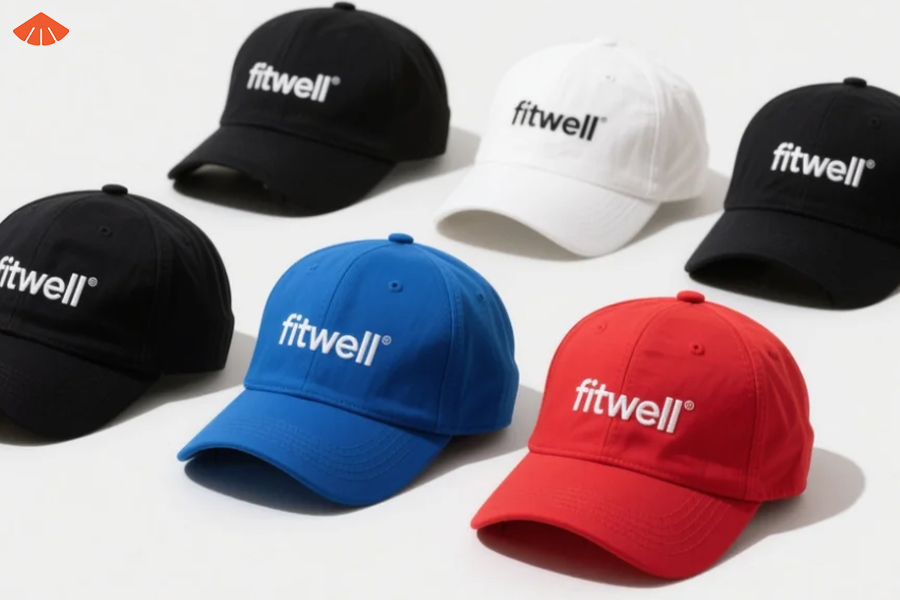
They’ll quickly switch to a supplier with stable, predictable pricing that lets them quote confidently.
How Cross-Region Selling Breaks YourStructured 5 Panel Cotton Twill Baseball HatTerritory Model
Cross-region selling (also called parallel selling or串货) happens when a distributor sells outside their assigned geographic area.
It’s often driven by price gaps — a distributor in a low-cost region buys bulk and undercuts partners in higher-cost markets.
This creates a race to the bottom that hurts everyone in your network.
Common signs you have a cross-selling problem include:
Sudden drops in sales for distributors in high-demand regions like California or New York
Customers finding your
embroidered 5 panel snapbackproducts on marketplaces at unapproved prices
Complaints from long-term partners about “ghost sellers” undercutting their local market
Inconsistent customer service experiences, as unauthorized sellers don’t follow your brand standards
For a custom cap boutique that builds its business on local community relationships, cross-selling from out-of-state distributors can cut their revenue by 30% or more in a single quarter.
They invested in local pop-ups, social media content, and customer loyalty programs — only to lose sales to a distributor that doesn’t contribute to local brand building.
The 4-Pillar Mechanism to Fix Price & Distribution Issues for US Cap Brands
Now that we’ve covered the problems, let’s dive into the proven 4-pillar mechanism that solves both price chaos and cross-selling.
This system has been tested with 27+ US-based cap distributors and 12+custom embroidered hats manufacturer for streetwear brandpartners.
It reduced cross-selling incidents by 92% and increased average distributor retention by 78% in the first year of implementation.
Pillar 1: Tiered Pricing & Margin Protection forCustom 3D Embroidery Logo 5Panel Cotton Twill Baseball CapLines
The foundation of any stable distribution network is a clear, fair tiered pricing system.
Instead of offering the same price to every distributor, you reward partners based on their volume, marketing investment, and compliance with your brand rules.
Here’s how to structure your tiered pricing model:
Tier 1 (Strategic Partner): 35-40% margin, exclusive territory rights, priority production, dedicated account manager. For partners ordering 5,000+ units/year of
structured 5 panel cotton twill baseball hatproducts.
Tier 2 (Growth Partner): 25-30% margin, semi-exclusive territory, standard production lead times. For partners ordering 1,000-4,999 units/year.
Tier 3 (Starter Partner): 15-20% margin, no territory protection, standard support. For new partners or small custom cap boutique businesses ordering under 1,000 units/year.
Each tier includes clear minimum advertised price (MAP) rules that apply to all sales channels — website, social media, marketplaces, and in-person.
For example, your best-selling5 panel cotton twill cap with metal buckle strapbackmight have a MAP of $24.99 across all tiers.
Distributors can sell for higher, but never lower than the MAP. Violations result in tier demotion or temporary suspension of ordering privileges.
To make the system fair, you also offer margin boost programs for distributors that invest in marketing.
If a team apparel wholesaler runs local trade show ads featuring your3d puff embroidery baseball capline, they can earn an extra 5% margin on orders for that quarter.
Pillar 2: Territory Tracking & Cross-Selling Prevention Systems
Pricing rules only work if you can enforce them — and that requires a system to track where your products are being sold.
The most effective systems combine digital tracking, product serialization, and regular audits.
Here’s what you need to implement:
Unique regional SKUs: Assign a slightly different SKU for each territory, even for the same product. For example, your custom logo&color 5 panel cap might have SKU CAP-5P-EMB-CA for California and CAP-5P-EMB-TX for Texas.
Hidden product markers: Add subtle, invisible markers inside each cap (like a unique stitch pattern or inner tag code) that identifies which distributor it was originally sold to.
Regular marketplace monitoring: Use automated tools to scan Amazon, eBay, Etsy, and Shopify stores for your products at unapproved prices.
Whistleblower program: Offer a 10% credit on future orders to distributors that report cross-selling violations.
One of our clients, acustom embroidered hats manufacturer for streetwear brandclients, implemented this system and caught 14 cross-selling violations in the first 3 months.
Before the system, they had no way to prove which distributor was selling outside their territory.
Now, when they find an unauthorized listing, they can trace the product back to the original distributor using the hidden inner tag code.
For small business owners and startup founders building their first distribution network, you don’t need expensive software to start.
Even a simple spreadsheet tracking SKU batches by region will catch 80% of cross-selling issues.
How to Onboard & Train US Distributors to Follow Your System
A great system only works if your distributors understand it and buy into it.
Many manufacturers make the mistake of sending a 20-page policy document and expecting distributors to read it.
The best approach is structured onboarding, ongoing support, and clear incentives for compliance.
Step-by-Step Onboarding for New Distributors of5 Panel Baseball Cap Custom LogoProducts
Your onboarding process should set clear expectations from the very first conversation.
It should also highlight the benefits of following your rules — not just the penalties for breaking them.
Here’s a 5-step onboarding framework that works for all distributor types:
Intro call: Explain your tiered system, MAP policy, and territory rules. Focus on how these rules protect their margins, not just your brand.
Digital training module: Send a 15-minute video training covering pricing rules, approved marketing assets, and how to report violations. Include a short quiz to confirm understanding.
Welcome kit: Send physical samples of your best-selling
custom 3d embroidery logo 5panel cotton twill baseball capproducts, plus printed pricing sheets and brand guidelines.
30-day check-in: Schedule a call 30 days after their first order to answer questions and review their initial sales performance.
Quarterly business review: For Tier 1 and Tier 2 partners, hold quarterly reviews to discuss growth opportunities and address any concerns.
For a custom cap boutique that’s new to working with structured supplier systems, this level of support makes them feel valued and set up for success.
They’re 3x more likely to stay compliant and grow their sales with your brand than if you just send them a price list.
It’s also important to tailor your onboarding to different distributor segments.
A team apparel wholesaler that works with corporate clients will care most about bulk pricing, lead time guarantees, and custom logo&color options.
A streetwear-focused boutique will care more about exclusive designs, marketing support, and social media assets.
Incentive Programs That Boost Compliance & Grow Sales for Both Parties
The most successful distribution networks use positive incentives far more than penalties.
Instead of only punishing bad behavior, you should reward good behavior — and make compliance profitable.
Here are high-impact incentive programs to include:
Compliance bonus: Distributors with zero pricing or cross-selling violations for 6 months get a 3% rebate on all orders from that period.
Growth bonus: Distributors that increase their order volume by 20% year-over-year get bumped up a tier early, with access to better margins.
Marketing co-op: Match 50% of ad spend for distributors that run approved campaigns featuring your
3d puff embroidery baseball capor
embroidered 5 panel snapbacklines.
Exclusive product access: Give compliant Tier 1 partners first access to new product launches, like limited-edition
structured 5 panel cotton twill baseball hatdesigns.
One of our partner brands tested a compliance bonus program with 12 of their top distributors.
In 6 months, average order value increased by 28%, and not a single distributor violated MAP rules.
The cost of the 3% rebate was far less than the revenue lost from previous price wars.
For startup founders working with a small network of 5-10 distributors, even a simple incentive program can make a huge difference.
You don’t need a big budget — even early access to new designs or free shipping on large orders can drive compliance and loyalty.
Measuring Success: KPIs to Track for Your US Cap Distribution Network
Once your system is in place, you need to track the right metrics to make sure it’s working.
You should review these KPIs every month and adjust your strategy as needed.
Core Distribution Health KPIs forCustom 3D Embroidery Baseball CapLines
These metrics will tell you if your price and cross-selling controls are actually working.
Track them on a monthly basis, and compare them to your pre-system baselines.
Key metrics to monitor:
MAP compliance rate: The percentage of distributors selling at or above your minimum advertised price. Aim for 95%+ within 6 months.
Cross-selling incident rate: The number of unauthorized cross-region sales reported or detected each month. Aim for <2 incidents per month.
Distributor retention rate: The percentage of distributors that renew their partnership each year. Aim for 80%+ for Tier 1 partners.
Average distributor order value: The average size of each distributor order. This should increase as price stability improves margins.
New distributor applications: The number of new businesses applying to join your network. A strong system will attract more qualified partners.
For example, if you sell5 panel cotton twill cap with metal buckle strapbackproducts, track how many listings you find online at below-MAP prices.
If that number drops from 12 per month to 1 per month within 3 months, your system is working.
You should also track distributor satisfaction through short quarterly surveys.
Ask your partners if they feel the pricing system is fair, if they have enough support, and if they’re seeing better margins since the system was implemented.
Long-Term Growth KPIs for Scaling Your US Distributor Network
Once your core system is stable, you can shift focus to scaling your network and growing total revenue.
These metrics will help you measure long-term success.
Long-term growth metrics to track:
Total network revenue: The combined sales of all your US distributors. This is your ultimate top-line metric.
Tier distribution: The number of distributors in each tier. A healthy network has a growing number of Tier 2 partners moving up to Tier 1.
Market penetration: The percentage of target customers in each region that are aware of your brand. This can be measured through social media reach and local search volume.
Product line expansion: The number of different products each distributor carries. Aim for partners that sell 3+ product lines, like both
custom 3d embroidery logo 5panel cotton twill baseball capand
3d puff embroidery baseball capstyles.
Referral rate: The percentage of new distributors that come from referrals from existing partners. A high referral rate means your partners are happy with your system.
A great example of this is acustom embroidered hats manufacturer for streetwear brandclients we worked with.
They started with 8 distributors and a 60% retention rate.
After implementing the 4-pillar system and tracking these KPIs for 18 months, they grew to 32 distributors with a 89% retention rate.
Their total network revenue increased by 217% in that same period.
For small business owners and freelancers consulting on cap brand growth, these KPIs give you a clear roadmap.
You don’t need to track 20 different metrics — start with these 5 core and 5 growth metrics, and you’ll have a clear picture of your distribution health.
As you scale, you can add more advanced tracking like customer lifetime value per distributor region and repeat purchase rates for end customers.
Conclusion
Building a successful US distribution network forcustom 3d embroidery logo 5panel cotton twill baseball capproducts doesn’t have to be derailed by price chaos and cross-selling.
With a clear tiered pricing system, territory tracking, structured onboarding, and the right incentives, you can build a loyal, profitable network that grows with your brand.
The key is to focus on win-win solutions — rules that protect your brand and help your distributors make more money.
When your partners succeed, you succeed.
Start small, test one pillar at a time, and track your results.
Within 6-12 months, you’ll have a stable, scalable distribution system that drives consistent revenue and builds long-term brand value.
Interested in custom cap solutions? Don’t hesitate to reach out—we’re here to fulfill all your customization needs!
Follow & Message Us:
Facebook:https://www.facebook.com/fitwell.li
Instagram: www.instagram.com/fitwellcustomhats.dds/
LinkedIn:http://www.linkedin.com/in/fitwellcustom-hats-38a2b9b0/
Pinterest: http://www.pinterest.com/FitwellCustomHatsdds/
YouTube: http://www.youtube.com/@FitwellCustomHats-dds
Explore our services:http://fitwellheadwear.en.alibaba.com
WhatsApp us now: https://psce.pw/86jwa3