

Custom 3D Embroidery Logo 5Panel Cotton Twill Baseball Cap: 3 Tips to Avoid 40% Price Gaps & Bad Embroidery for US Businesses
If you’re a US business owner sourcing custom headwear, you’ve likely seen wild price swings for a custom 3d embroidery logo 5panel cotton twill baseball cap. Three quotes from different suppliers can differ by 40% or more—leaving you wondering if you’re overpaying or risking low-quality merchandise.
This guide breaks down exactly why those price gaps exist, how to spot inferior embroidery before you order, and how to pick a supplier that matches your business needs. Whether you’re a team apparel wholesaler stocking up for a league order or a custom cap boutique launching a new streetwear line, these tips will save you time, money, and customer complaints.
Why Do 3 Quotes for Custom 5 Panel Caps Differ by 40%?
When you reach out to three suppliers for the samecustom 3d embroidery baseball cap, a 40% price gap isn’t a sign of “good deals” or “price gouging”—it’s almost always a difference in hidden costs, material quality, and production efficiency.
1. Material & Construction Cost Variances
The biggest driver of price differences is the base cap itself, especially for astructured 5 panel cotton twill baseball hat. Cheaper suppliers cut corners on fabric weight, buckle hardware, and stitching that you can’t always see in a product photo.
Common material differences that impact price:
Cotton twill weight: Budget caps use 100-120gsm thin fabric that fades and tears easily, while premium caps use 180-220gsm heavyweight twill that holds shape for years.
Closure hardware: A
5 panel cotton twill cap with metal buckle strapbackcosts 15-20% more than one with a plastic snap or cheap Velcro closure.
Structured support: Mid-profile structured caps have a buckram front panel that retains shape, adding 10% to production costs compared to unstructured floppy styles.
Stitching count: Premium caps use 6-8 stitches per inch for durability, while budget options use 4-5 stitches that unravel after a few washes.
A 2023 industry survey of custom headwear suppliers found that 62% of budget-priced caps use lower-grade cotton twill that shrinks 5-10% after the first wash, compared to 2% shrinkage for mid-range and premium options.
2. Embroidery Process & Labor Costs
The second biggest factor in pricing is the embroidery itself—especially for3d puff embroidery baseball capdesigns. Cheap quotes almost always mean corners are being cut on digitizing, thread quality, and stitch count.
Key embroidery cost drivers:
Digitizing quality: Professional digitizers charge $50-$150 per design to create a stitch file that runs cleanly on 3D puff designs, while budget suppliers use auto-digitized files that cause misalignment and thread breaks.
Thread quality: Premium rayon or polyester embroidery thread costs 2x more than cheap acrylic thread, but it resists fading, fraying, and bleeding when washed.
Stitch count: A high-quality 3D logo uses 8,000-12,000 stitches for a full, puffy look, while budget versions use 4,000-6,000 stitches that look flat and sparse.
Labor skill: Embroiderers with 5+ years of experience produce 30% fewer defective pieces than entry-level operators, but they command 40% higher wages.
For example, a 2-inch 3D puff logo on a5 panel baseball cap custom logoorder of 100 pieces can cost $1.50 per cap from a premium embroiderer vs. $0.70 from a budget shop—adding $80 to the total order, but reducing defect rates from 15% to 2%.
3 Common Embroidery Quality Pitfalls to Avoid
The worst part about cheap custom cap orders is that you often don’t see quality issues until you receive the full shipment. These three embroidery mistakes are the most common causes of customer returns and lost revenue for small businesses.
1. Flat, Uneven 3D Puff Embroidery
3D puff embroidery is supposed to create a raised, premium look that makes your logo pop. But low-quality suppliers often produce 3D designs that are lopsided, flat in spots, or have loose foam sticking out around the edges.
Signs of bad 3D puff embroidery:
Uneven height across the logo (one side is 3mm tall, the other is 1mm)
Loose foam edges that fray after a few wears
Stitch gaps where the foam shows through the thread
Logo misalignment (off-center or tilted on the cap panel)
This issue is especially problematic for acustom embroidered hats manufacturer for streetwear brandclients, where brand perception directly impacts sales. A streetwear boutique in Austin, TX, reported a 25% drop in repeat customers after receiving a batch ofembroidered 5 panel snapbackhats with lopsided 3D logos—they had to discount the entire batch by 60% to clear inventory.
To avoid this, always request a physical sample of your 3D design before placing a bulk order, and check that the foam is fully covered with tight, even stitches.
2. Fading, Bleeding, & Fraying Thread
Cheap embroidery thread doesn’t just look dull—it fades dramatically after sun exposure and bleeds onto the cap fabric when washed. For businesses that sell outdoor or activewear caps, this is a fatal quality flaw.
Common thread quality issues:
Fading: Cheap acrylic thread fades 30-50% after 10 washes, while premium polyester thread retains 95% of its color after 50 washes.
Bleeding: Low-quality dye runs when the cap gets wet, leaving colored streaks on the white or light-colored twill fabric.
Fraying: Thin, low-twist thread frays at the edges of the logo, giving the cap a worn-out look after just a few wears.
Pilling: Cheap thread forms small balls of fuzz on the surface of the embroidery, making the logo look cheap.
For team apparel wholesaler clients supplying caps to youth sports leagues, fading and fraying are top complaints—parents expect team gear to last an entire season, not just a few games. A 2024 consumer survey found that 78% of customers would not buy from a custom apparel brand again if their embroidered logo faded within 3 months.
How to Vet a Custom Cap Supplier for Quality & Fair Pricing
Now that you know why prices vary and what quality issues to watch for, how do you actually pick the right supplier? Use this step-by-step vetting process to compare quotes fairly and avoid costly mistakes.
1. Ask These 7 Questions Before Requesting a Quote
Don’t just send a generic “how much for custom hats?” email—ask specific questions upfront to filter out low-quality suppliers and get accurate, comparable quotes.
Critical questions to ask every supplier:
What is the weight and material of your standard 5 panel cotton twill cap?
Do you offer a
5 panel cotton twill cap with metal buckle strapbackas a standard option, or is it an upgrade?
What type of embroidery thread do you use (rayon, polyester, acrylic)?
Do you provide physical pre-production samples for 3D puff designs, and how much do they cost?
What is your standard size range (do you offer
54-58cmas a default adult size)?
What is your defect rate for bulk custom orders, and what is your replacement policy?
Can you provide references from US-based streetwear brands or boutique clients?
Any supplier that hesitates to answer these questions or gives vague responses is likely cutting corners somewhere. A reputablecustom embroidered hats manufacturer for streetwear brandclients will be transparent about materials, processes, and past work.
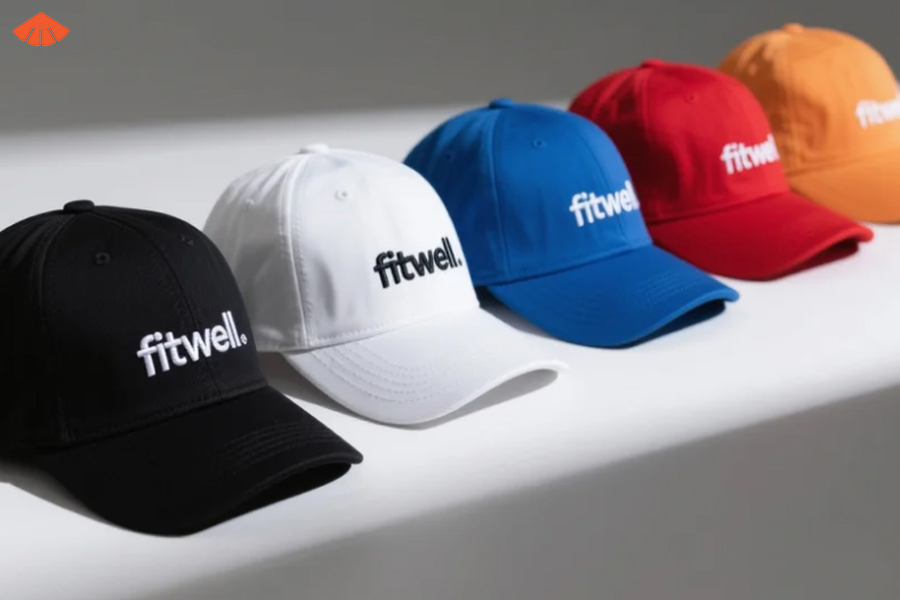
2. Compare Quotes Apples-to-Apples
Once you have three quotes, don’t just pick the cheapest one—break down the costs to make sure you’re comparing the exact same product. A $3 cap that falls apart in 2 months is a worse deal than a $4.20 cap that lasts 2 years.
Use this comparison framework:
Base cap cost: Compare fabric weight, closure type, structured vs. unstructured, and size range.
Embroidery cost: Compare stitch count limits, thread type, number of logo colors, and 3D puff surcharges.
Customization options: Check if custom logo&color changes are included or if there are extra fees for revisions.
Shipping & duties: For overseas suppliers, add in ocean freight, customs duties, and domestic shipping to get the true landed cost.
MOQ & lead time: A supplier with a 500-piece minimum isn’t a good fit for a small custom cap boutique testing a new design.
For example, let’s say you’re ordering 200 units of acustom 3d embroidery logo 5panel cotton twill baseball cap:
Supplier A: $3.20/cap (120gsm twill, plastic snap, acrylic thread, 5k stitch limit) → Total: $640
Supplier B: $4.10/cap (180gsm twill, metal buckle strapback, polyester thread, 10k stitch limit) → Total: $820
Supplier C: $4.50/cap (220gsm twill, metal buckle strapback, premium rayon thread, 12k stitch limit, free sample) → Total: $900
At first glance, Supplier A looks like the best deal—until you factor in a 15% defect rate ($96 in wasted product) and 30% customer return rate ($192 in lost revenue). The true cost of Supplier A’s caps jumps to $928, making Supplier C’s higher-quality option actually cheaper in the long run.
Real-World Case Studies: How US Businesses Saved Money & Improved Quality
To show how these tips work in practice, here are two examples of US businesses that fixed their custom cap sourcing issues and saw measurable results.
1. Streetwear Boutique Cuts Return Rate by 72%
A small custom cap boutique in Los Angeles was sourcingembroidered 5 panel snapbackhats from a budget overseas supplier to keep prices low. But they were dealing with constant returns due to frayed embroidery and misaligned logos.
Their challenge:
28% return rate on custom cap orders
Negative reviews mentioning “cheap embroidery”
Lost repeat customers and social media backlash
After switching to a mid-rangecustom embroidered hats manufacturer for streetwear brandclients, they:
Paid 22% more per cap ($3.80 → $4.65)
Reduced return rate from 28% to 7.8%
Increased average customer review score from 3.2 to 4.7 stars
Grew repeat purchase rate by 41% in 6 months
The boutique owner noted, “We thought we were saving money with cheap caps, but we were losing way more in returns and bad reviews. Paying a little more for quality embroidery made our brand look way more premium, and customers are willing to pay $5 more per hat for it.”
2. Team Apparel Wholesaler Wins Big League Contract
A team apparel wholesaler in Chicago was bidding on a 5,000-piece custom cap order for a regional youth baseball league. They had lost previous bids to cheaper suppliers, but they knew those suppliers delivered low-quality caps that shrank and faded.
Their strategy:
Provided physical samples of a
structured 5 panel cotton twill baseball hatwith 3D team logos
Highlighted 220gsm heavyweight cotton twill and colorfast polyester thread
Offered a 1-year quality guarantee against fading and defects
Included custom logo&color options for each team in the league
Even though their bid was 18% higher than the cheapest competitor, the league chose them because of the sample quality and guarantee. The wholesaler reported:
$22,500 in revenue from the initial order
3 additional league contracts from referrals
25% lower defect rate compared to their previous supplier
15% higher profit margin despite higher production costs
The key to their success was focusing on total value rather than lowest price—league directors cared more about parents being happy with durable caps than saving a few dollars per unit.
Sourcing a custom 3d embroidery logo 5panel cotton twill baseball cap doesn’t have to be a gamble. By understanding why prices vary, knowing what quality issues to avoid, and vetting suppliers properly, you can get high-quality custom caps at a fair price that grows your business instead of costing you customers.
Remember: a 40% price gap isn’t a discount—it’s usually a warning sign of cut corners on materials, embroidery, or quality control. Invest in a reputable supplier, request physical samples, and compare quotes apples-to-apples to make the best decision for your business.
Interested in custom cap solutions? Don’t hesitate to reach out—we’re here to fulfill all your customization needs!
Follow & Message Us:
Facebook:https://www.facebook.com/fitwell.li
Instagram: www.instagram.com/fitwellcustomhats.dds/
LinkedIn:http://www.linkedin.com/in/fitwellcustom-hats-38a2b9b0/
Pinterest: http://www.pinterest.com/FitwellCustomHatsdds/
YouTube: http://www.youtube.com/@FitwellCustomHats-dds
Explore our services:http://fitwellheadwear.en.alibaba.com
WhatsApp us now: https://psce.pw/86jwa3