

Street Wear Black 5PanelCustomEmbroidered SnapbackHats: Amazon Sourcing Secrets for B2B Buyers
If you’re sourcingstreet wear black 5panelcustomembroidered snapbackhatsfor Amazon or your retail business, you’ve likely run into a frustrating tradeoff: low minimum order quantities (MOQs) from common suppliers paired with sky-high return rates. Many small business owners and startup founders choose low-MOQ options to test products, only to lose profits to defective items, inconsistent sizing, and poor embroidery quality.
In this guide, we’ll break down why standard low-MOQ hat suppliers fail, how partnering with a specialized big head hat factory can cut your custom pricing by 10%, and what to look for in a reliable supplier for bulk orders. Whether you’re a street headwear trading company, private label hat distributor, or urban apparel retail shop, these insights will help you balance cost, quality, and flexibility.
Why Standard Low-MOQ Hat Suppliers Cause High Return Rates on Amazon
Most Amazon sellers start with low-MOQcustomembroidered snapbackhatsto minimize upfront risk, but this choice often backfires in the long run. The average return rate for generic5 panel snapback hatlistings on Amazon hovers around 15-20%, according to 2024 e-commerce apparel data—nearly double the rate for premium custom orders.
Hidden Quality Issues in Low-Cost, Low-MOQ Inventory
Low-MOQ suppliers cut corners to keep prices low, and these shortcuts directly lead to customer returns.
Sizing inconsistencies: Many cheap hats use non-standard sizing, with head circumferences that vary by 2-3cm across the same batch, even when labeled as
54-58cm.
Poor embroidery quality: Loose threads, misaligned logos, and faded thread are common in mass-produced low-MOQ orders, leading to negative reviews about "cheap-looking" custom designs.
Flawed snapback closures: Plastic snaps that break easily or don’t adjust properly account for 30% of hat returns on Amazon, per seller feedback data.
Thin, low-quality fabric: 100% cotton hats that weigh less than 180gsm often shrink after the first wash, prompting customers to return items for being "too small."
For a private label hat distributor, these quality issues don’t just hurt short-term sales—they damage your brand reputation and can lead to Amazon account warnings if return rates exceed 25%.
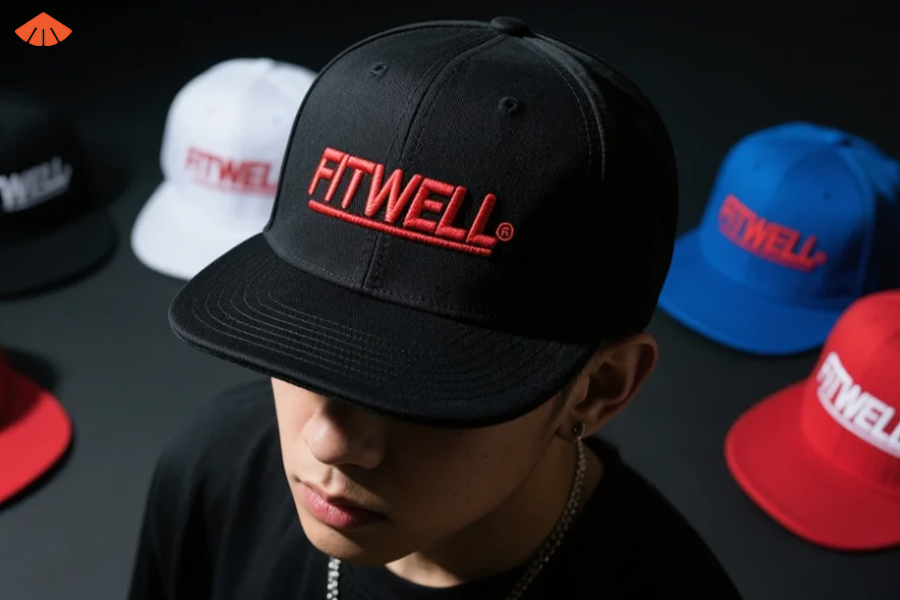
The True Cost of High Return Rates for B2B Buyers
Many new sellers only calculate the upfront cost of inventory, but returns add hidden expenses that eat into margins by 20-30%.
Return shipping and restocking fees: For FBA sellers, Amazon charges return processing fees that can add up to $3-5 per hat.
Lost inventory value: Damaged or used returned hats can’t be resold as new, so you lose 100% of the product cost for those items.
Lower search ranking: Amazon’s algorithm penalizes listings with high return rates, pushing your products down in search results and reducing organic traffic.
Negative review impact: A single 1-star review about poor quality can reduce conversion rates by 10-15%, according to e-commerce conversion data.
If you’re a startup founder testing your first hat line, a 20% return rate can turn a profitable product into a loss leader. For an urban apparel retail shop, high returns erode customer trust and lead to repeat customer churn.
How Big Head Hat Factory Customization Cuts Pricing by 10% (Without Sacrificing Quality)
Contrary to popular belief, working with a specialized factory forcustom 5 panel hatsdoesn’t always mean higher costs—in fact, it can lower your per-unit price by 10% or more, even for moderate bulk orders. Big head hat factories focus exclusively on headwear production, so they have optimized supply chains, specialized equipment, and bulk material purchasing power that general apparel factories can’t match.
Key Cost Advantages of Specialized Hat Factories
Specialized streetwear hat factories save you money in three core areas, all while improving product quality.
Bulk fabric sourcing: Factories that produce 50,000+ hats per month buy cotton, polyester, and snap hardware in bulk, cutting material costs by 12-15% compared to small suppliers.
Automated production lines: Modern hat factories use automated cutting and embroidery machines that reduce labor costs by 20% while improving consistency.
Vertical production integration: Factories that handle everything from fabric cutting to packaging in-house eliminate middleman markup, which typically adds 8-12% to per-unit costs.
Reduced defect rates: Specialized factories have dedicated quality control teams, with defect rates as low as 0.5%, compared to 5-8% for low-MOQ general suppliers.
For a street headwear trading company placing ahigh quality black streetwear snapback 5 panel hats bulk orderof 500 units, a 10% price reduction translates to $150-250 in savings—money you can reinvest in marketing or expand your product line.
Customization Options That Boost Perceived Value (Without Big Price Hikes)
The best part about working with a specialized factory is that you can add premium custom features for a tiny additional cost, letting you charge more for your products while keeping production costs low.
3D puff embroidery: Adds $0.3-0.5 per hat but lets you increase your retail price by $3-5, making it one of the highest-ROI customizations for streetwear styles.
Woven labels: A
streetwear black 5 panel cap with woven label and 3d embroideryfeels far more premium than a hat with a printed label, for just $0.2-0.4 extra per unit.
Custom underbrim prints: Adds a hidden detail that customers love, for only $0.1-0.3 per hat, and helps your brand stand out in unboxing videos.
Adjustable size options: While standard sizes are
54-58cm, factories can add extra snap notches or larger crown sizes for big head customers, expanding your target market for a minimal cost.
Many small business owners assume custom logo&color options are only for large orders, but most specialized factories now offer flexible MOQs starting at 100 units for custom designs—far lower than the 500-unit minimums common just 5 years ago.
How to Choose the Right Supplier for Your Streetwear Hat Business
Not all hat suppliers are created equal, and picking the wrong partner can cost you time, money, and customers. Whether you’re looking for ablack 5 panel snapbackfor a small launch or a large bulk order for Amazon, there are key factors to evaluate before placing your first order.
Critical Questions to Ask Potential Hat Suppliers
Before you commit to a supplier, ask these 5 questions to avoid common pitfalls:
What is your defect rate, and how do you handle defective items? Look for a defect rate under 2% and a policy that replaces defective units at no extra cost.
What is your sample turnaround time? Reliable factories can produce custom samples in 5-7 days, while low-quality suppliers may take 2+ weeks or send samples that don’t match the final product.
Can you provide references from other streetwear brands? A supplier that works with established streetwear labels is far more likely to understand your quality and design needs.
What are your payment terms? Avoid suppliers that require 100% upfront payment; reputable factories typically require 30% deposit and 70% balance before shipping.
Do you offer Amazon FBA prep services? Many specialized factories can label, polybag, and ship directly to Amazon fulfillment centers, saving you time and shipping costs.
For an urban apparel retail shop that needs small, frequent restocks, also ask about reorder MOQs—some factories offer reorder minimums as low as 50 units for existing designs, which is perfect for small brick-and-mortar stores.
Red Flags to Avoid When Sourcing Hats Online
It’s easy to fall for low prices on B2B marketplaces, but these red flags indicate a supplier is likely to cause quality issues or delays:
Prices 20%+ below the market average: If a supplier offers
embroidered snapbackhats for $2 each when the average is $4, they’re almost certainly cutting corners on materials or labor.
No physical factory address or video tour option: Many "suppliers" on marketplaces are middlemen with no production facilities, so they can’t control quality or lead times.
Vague product descriptions: Suppliers that don’t list fabric weight, sizing details, or embroidery specifications are likely hiding low-quality materials.
No quality control process mentioned: If a supplier can’t explain their QC steps, you can expect a high rate of defective items in your order.
Pressure to place a large order immediately: Reputable suppliers will encourage you to order samples first, rather than pushing you into a big bulk order upfront.If you’re a freelancer or consultant helping clients source hats, these red flags are especially important to catch—your reputation depends on delivering reliable supplier recommendations.
Step-by-Step Guide to Launching Your Custom Hat Line on Amazon
Once you’ve found the right factory for your5 panel hat customorder, it’s time to plan your Amazon launch to maximize sales and minimize returns. This step-by-step process works for startup founders, small business owners, and established brands alike.
Pre-Launch: Sample Testing and Listing Optimization
Before you place a full bulk order, invest time in testing samples and optimizing your listing to reduce return rates and boost conversions.
Order 3-5 samples first: Test the sizing (make sure it matches the
54-58cmspecification), embroidery quality, fabric feel, and snap durability. Wear the hat for a week to check for fading, stretching, or shape loss.
Get feedback from your target audience: Share samples with 10-15 people in your target market (e.g., streetwear enthusiasts, big head customers) and ask for honest feedback on fit and design.
Optimize your listing with accurate sizing info: Include a size chart with exact head circumference measurements, and mention if the hat runs large or small. This reduces size-related returns by 20-25%, according to Amazon seller data.
Use high-quality product photos: Show the hat from multiple angles, including close-ups of the embroidery, woven label, and snap closure. Lifestyle photos of people wearing the hat also help customers gauge fit.
Write a detailed product description: Mention fabric weight, material composition, and customization details (like 3D embroidery) to set accurate customer expectations.
For a private label hat distributor, investing in professional product photography and copywriting can increase conversion rates by 30-40%, making it one of the best investments you can make in your launch.
Post-Launch: Quality Monitoring and Scaling Your Order
After your listing goes live, monitor customer feedback closely to catch quality issues early, and scale your orders strategically to keep costs low.
Track return reasons: Use Amazon’s return reason reports to identify common issues. If 30% of returns are due to sizing, update your listing with a more prominent size chart.
Collect customer reviews: Encourage buyers to leave reviews by sending a follow-up email after delivery. Positive reviews about quality and fit will boost your ranking and reduce purchase hesitation.
Negotiate better pricing for larger orders: Once you have 30+ positive reviews and consistent sales, increase your order quantity to unlock lower per-unit prices. Most factories offer 5-10% discounts when you double your order size.
Expand your product line: Once your core
black 5 panel snapbackis selling well, add new colors, designs, or styles (like trucker hats or dad hats) to capitalize on your existing customer base.
Build a long-term relationship with your factory: Reliable factories prioritize loyal customers, so you’ll get faster lead times, better pricing, and priority access to new customization options if you place regular orders.
For a street headwear trading company managing multiple brand clients, building a relationship with a trusted factory also lets you offer better pricing and faster turnaround to your own customers, giving you a competitive edge.
By following these steps, you can avoid the common pitfall of low-MOQ, high-return hat suppliers, and build a profitable streetwear hat business on Amazon. The key is to balance upfront cost with long-term value—investing a little more in quality from a specialized factory will pay off in lower return rates, better reviews, and higher profits over time.
Interested in custom cap solutions? Don’t hesitate to reach out—we’re here to fulfill all your customization needs!
Follow & Message Us:
Facebook:https://www.facebook.com/fitwell.li
Instagram: www.instagram.com/fitwellcustomhats.dds/
LinkedIn:http://www.linkedin.com/in/fitwellcustom-hats-38a2b9b0/
Pinterest: http://www.pinterest.com/FitwellCustomHatsdds/
YouTube: http://www.youtube.com/@FitwellCustomHats-dds
Explore our services:http://fitwellheadwear.en.alibaba.com
WhatsApp us now: https://psce.pw/86jwa3