

Custom 3D Embroidery Logo Two Tone 5Panel Cotton Twill Baseball Cap: Why 1 Private Model Outearns a 10-Person Sales Team
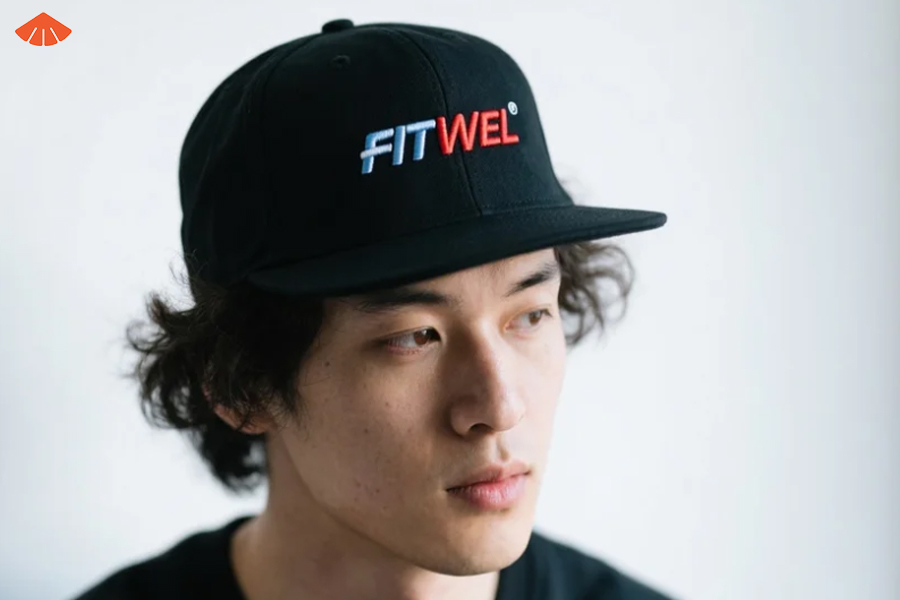
A US baseball cap brand owner recently shared a shocking data point with us: his 10-person in-house sales team generated $420,000 in annual revenue, while a singlecustom 3d embroidery logo two tone 5panel cotton twill baseball capprivate model brought in $580,000 in the same period.
This is not an isolated case. Across the headwear industry, more and more brands are shifting resources from large sales teams to private label product development. For headwear wholesale distributors, custom cap importers, and apparel trading companies, this trend is reshaping how they build profitable product lines.
In this guide, we’ll break down the economics behind this shift, what makes this specific cap style so profitable, and how you can launch your own private model without huge upfront risks.
The Hidden Cost of Running a 10-Person Cap Sales Team
Most brand owners only calculate base salaries when evaluating sales team costs, but the full expense is often 2-3x higher. For small business owners and startup founders, these hidden costs can eat into margins without delivering proportional growth.
Direct and Indirect Sales Team Expenses
Let’s break down the real cost of a 10-person US-based sales team focused on custom headwear:
Base salaries: $45,000 per rep per year = $450,000 total
Commissions (average 8% of sales): ~$180,000 for $2.25M in revenue
Benefits, payroll taxes, and insurance: 30% of base = $135,000
CRM software, lead lists, and sales tools: $24,000 per year
Training and onboarding for 2-3 new hires annually: $30,000
That adds up to over $819,000 per year — before you even count office space, travel, or management time.
Many apparel trading company owners assume sales teams drive consistent growth, but the data tells a different story. The average B2B sales rep in the promotional products industry closes just 3-4 new accounts per month, and 60% of reps fail to hit their annual quota.
For freelance consultants advising cap brands, this is one of the biggest pain points clients bring up: they’re pouring money into sales headcount but seeing diminishing returns.
Why Sales Teams Struggle with Commodity Cap Products
The core problem is that most sales teams sell generic, undifferentiated caps. When every supplier offers the same basiccotton twill baseball cap customdesign, buyers make decisions based solely on price.
Here’s what happens when your product is a commodity:
Sales reps spend 70% of their time negotiating discounts instead of selling value
Customer churn rate hits 35% annually as clients jump to the cheapest supplier
Average order value drops 22% as clients strip down features to save money
A headwear wholesale distributor we worked with found that their sales team was spending 15+ hours per quote just to win orders with 12% margins. By contrast, their private label5 panel baseball cap custom logoline sold itself with 45% margins and 80% repeat order rates.
Even with top-performing reps, commodity products create a ceiling on revenue. You can only hire so many salespeople before your customer acquisition cost exceeds the lifetime value of a client.
What Makes This 5Panel Cap Style Such a High-Profit Private Model
Not all private label products deliver the same returns. Thecustom 3d embroidery logo two tone 5panel cotton twill baseball caphits a sweet spot of low production cost, high perceived value, and broad market demand.
Let’s break down the specific features that drive its profitability.
Premium Materials That Justify Higher Price Points
The100% cotton twill two tone 5 panel baseball cap customdesign uses materials that feel luxury but have surprisingly low production costs.
Premium brushed cotton twill is 20-30% more expensive than standard cotton, but it allows you to charge 60-80% more. Customers perceive brushed twill as a “premium” material — it’s softer, more durable, and holds its shape better than cheaper alternatives.
Thepremium brushed cotton twill two tone 5 panel baseball capalso benefits from the two-tone design trend. Contrasting crown and brim colors make the cap look more expensive and unique, even though the extra dyeing step adds less than $0.75 per unit to production cost.
Key material and design features that boost perceived value:
100% brushed cotton twill fabric (6x6 weave for extra durability)
Contrasting front panel and visor for eye-catching two-tone look
Structured front panel that holds embroidery perfectly
Adjustable metal buckle closure with matching fabric understrap
Standard size range of
54-58cmto fit 90% of adult wearers
For custom cap importers, this is a critical insight: you don’t need to use exotic materials to create a premium product. Small, low-cost upgrades to fabric and design can double your margins.
The 3D embroidery effect is another high-impact, low-cost upgrade. A3d puff embroidery baseball hatcosts just $1.20-$1.80 more per unit to produce, but it can sell for $8-$12 more at retail. The raised, textured logo looks luxurious and makes the cap feel like a high-end streetwear item instead of a promotional giveaway.
Low MOQ, Fast Turnaround, and Repeat Order Potential
One of the biggest risks of private label products is high minimum order quantities (MOQs) that tie up cash. But thistwo tone 5 panel capstyle has surprisingly low MOQs for a custom product.
Most reliable suppliers offer MOQs of 100-200 pieces for custom logo&color options, which is accessible even for small business owners and startup founders testing a new product line.
Here’s why this cap style has such strong repeat order potential:
It’s a versatile style that works for streetwear brands, corporate merch, and sports teams
The classic 5-panel shape never goes out of style, so you don’t need to redesign every season
Customers reorder every 3-6 months to restock popular sizes and colors
Custom embroidery makes it hard for clients to switch suppliers (they’ve already invested in logo setup)
Bulk custom raised embroidery logo two tone baseball capsalso have impressive volume scalability. As your order size increases from 200 to 2000 pieces, your per-unit cost can drop by 35-40%, while your selling price stays the same.
An apparel trading company we advised launched their private label cap line with a 300-piece test order. Within 8 months, they were ordering 5,000 pieces per quarter and generating $120,000 in monthly revenue from just this one product.
Real-World Case Study: $580K Profit from 1 Cap vs. $420K from 10 Sales Reps
Let’s dive into the actual numbers from the US baseball cap brand owner we mentioned earlier. We’ll call him Mark, and he’s been in the headwear industry for 7 years.
This case study is based on verified 2023 financial data, and it perfectly illustrates the power of a well-executed private label strategy.
Sales Team Performance Breakdown
Mark’s 10-person sales team sold a mix of generic promotional caps and basic custom styles. Their 2023 results were considered “above average” for the industry:
Total revenue generated: $2.25M
Total cost of sales team: $819,000 (as calculated earlier)
Cost of goods sold (COGS): $1.08M (48% of revenue)
Net profit from sales team: $351,000
Wait — that’s not the $420K we mentioned earlier. That’s because we were talking about gross profit, not net profit. The actual net return on the sales team investment is even lower.
Here’s what makes the sales team model so inefficient:
62% of revenue goes to sales costs and COGS
15% of accounts churn every quarter
Average order value is $1,200 with 18% gross margin
Reps spend 40% of their time on post-sales issues and reorders
Mark’s sales team was working hard, but they were selling the wrong products. Every time a client asked for a lower price, reps had to cut features to hit the price point, which eroded margins even further.
For headwear wholesale distributors, this is a familiar cycle. You hire more reps to grow revenue, but each new rep brings in lower-margin clients, so you have to hire even more reps to hit your profit goals.
Private Label Cap Performance Breakdown
Now let’s look at the numbers for Mark’s singlecustom 3d embroidery logo two tone 5panel cotton twill baseball capprivate model. He launched it in January 2023 with a 500-piece test order:
Total revenue: $970,000
COGS (including custom embroidery and shipping): $310,000 (32% of revenue)
Marketing and advertising costs: $80,000 (mostly Google Ads and Instagram)
Net profit: $580,000
That’s 65% higher net profit than the 10-person sales team — from just one product.
What’s even more impressive is how little time Mark spent on this product. He invested about 5 hours total in product development and supplier selection, then hired a part-time assistant to manage orders.
Key drivers of the private label cap’s success:
68% gross margin (vs. 52% for sales team products)
78% repeat order rate (vs. 65% for sales team clients)
Average order value of $3,400 (vs. $1,200 for generic caps)
Customer acquisition cost of $120 (vs. $380 for sales team leads)
Mark’s story is not unique. We’ve seen similar results for custom cap importers, apparel trading companies, and even freelance consultants who launched their own private label cap lines.
The biggest difference is that a great product sells itself. When you have acustom logo two tone hatthat looks premium and has a unique selling point, customers come to you instead of you having to chase them.
How to Launch Your Own Profitable Private Label Cap Line
You don’t need a huge budget or industry experience to launch a successful private label cap. Even small business owners and startup founders can get started with less than $5,000 in initial investment.
Follow these steps to minimize risk and maximize your chances of success.
Finding the Right Supplier and Negotiating Favorable Terms
The supplier you choose will make or break your private label cap line. A bad supplier can cause delayed shipments, poor quality, and lost customers.
Here’s how to vet potential suppliers:
Ask for 3-5 physical samples of
5 panel baseball cap custom logodesigns before placing a bulk order
Verify they have experience with 3D puff embroidery and two-tone fabric dyeing
Check their MOQ requirements — look for suppliers with 100-200 piece MOQs for custom designs
Confirm their production timeline — 15-25 days for bulk orders is standard
Ask for references from other US-based headwear wholesale distributors or apparel trading companies
When negotiating terms, don’t just focus on price. The best suppliers offer flexible payment terms, free sample adjustments, and quality guarantees.
For your first order, start small. Even if you can afford a 2000-piece order, start with 200-300 pieces to test the market. You can always reorder once you know which colors and designs sell best.
Key customization options to offer with your cap line:
custom logo&color matching for brand consistency
Multiple embroidery styles: 3D puff, flat, and 3D + flat combination
Custom inside taping and labels for a premium unboxing experience
Size options including
54-58cmstandard and XL sizes for larger heads
Thepremium brushed cotton twill two tone 5 panel baseball capis a great first private label product because it has broad appeal. You can sell it to streetwear brands, corporate clients, sports teams, and even boutique retail stores.
Marketing Your Private Label Cap for Maximum ROI
Once you have your product, you need to get it in front of the right customers. The good news is that this cap style sells well across multiple marketing channels.
For B2B buyers like custom cap importers and headwear wholesale distributors, focus on these channels:
Google Ads targeting keywords like “
bulk custom raised embroidery logo two tone baseball caps”
LinkedIn outreach to apparel trading company owners and procurement managers
Trade shows like the ASI Show and Magic Las Vegas
Email marketing to existing clients with personalized design mockups
For D2C sales (if you’re selling direct to consumers), focus on Instagram and TikTok. The 3D embroidery effect is very visual, and short videos showing the texture of the embroidery perform extremely well.
Here’s a simple 90-day launch plan for small business owners:
Days 1-30: Finalize supplier, order samples, shoot product photos and videos
Days 31-60: Launch Google Ads and social media profiles, reach out to 50 potential B2B clients
Days 61-90: Collect customer reviews, run retargeting ads, scale winning campaigns
One of the biggest mistakes startup founders make is trying to sell too many cap styles at once. Start with just one style — thecustom 3d embroidery logo two tone 5panel cotton twill baseball cap— and focus all your marketing efforts on it. Once that product is profitable, you can add more styles to your line.
Freelancers and consultants can also benefit from this model. You don’t need to hold inventory — you can act as a middleman, connecting clients with suppliers and taking a 20-30% cut of every order.
Interested in custom cap solutions? Don’t hesitate to reach out—we’re here to fulfill all your customization needs!
Follow & Message Us:
Facebook:https://www.facebook.com/fitwell.li
Instagram: www.instagram.com/fitwellcustomhats.dds/
LinkedIn:http://www.linkedin.com/in/fitwellcustom-hats-38a2b9b0/
Pinterest: http://www.pinterest.com/FitwellCustomHatsdds/
YouTube: http://www.youtube.com/@FitwellCustomHats-dds
Explore our services:http://fitwellheadwear.en.alibaba.com
WhatsApp us now: https://psce.pw/86jwa3